
How Dental Reimbursement Works in Belgium
How Dental Reimbursement Works in Belgium
Understanding the intricacies of dental reimbursement in Belgium can be a complex journey for both residents and expatriates. The Belgian healthcare system is renowned for its comprehensive coverage, yet dental care often falls into a category with varying levels of financial support, largely dependent on the type of treatment, the patient’s age, and their specific insurance affiliations. Navigating this landscape effectively requires a clear grasp of the different insurance layers, the distinction between standard and supplementary benefits, and the procedures involved in claiming reimbursements. This detailed guide aims to demystify the system, providing a robust overview of how dental expenses are managed in Belgium, ensuring patients can make informed decisions about their oral health investments.
The Foundation: Mandatory Health Insurance (Mutuelle/Mutualiteit)
At the core of the Belgian dental reimbursement system is mandatory health insurance, often referred to as ‘mutuelle’ in French or ‘mutualiteit’ in Dutch. Every resident in Belgium is legally obliged to affiliate with a health insurance fund (mutualité/ziekenfonds) of their choice. These funds, while seemingly distinct, operate under the same federal regulations, ensuring a baseline level of coverage for a wide range of medical services, including essential dental care. This mandatory insurance is primarily designed to cover a percentage of the official tariff for preventive and basic curative treatments.
For routine dental check-ups, for instance, the mandatory insurance typically covers a significant portion, often 75% or more, of the official fee, sometimes even reaching 100% for specific age groups or conditions. Basic curative treatments like fillings (amalgam or composite, though coverage may vary) and simple extractions are also partially reimbursed. However, it’s crucial to understand that the reimbursement rate often refers to the official fee set by the National Institute for Health and Disability Insurance (INAMI/RIZIV). If a dentist charges above this official fee (which is common, especially for non-contracted dentists), the patient must cover the difference, known as the ‘remains’ or ‘ticket modérateur’ (personal contribution). The mandatory insurance acts as a safety net, ensuring access to fundamental dental care, but it rarely covers the full cost of more advanced or aesthetic procedures.
Navigating Dentist Status: ‘Conventionné’ vs. ‘Déconventionné’
A significant factor influencing dental reimbursement in Belgium is the status of the dentist. Dentists in Belgium can be either ‘conventionné’ (contracted) or ‘déconventionné’ (non-contracted). A ‘conventionné’ dentist adheres to the official fee schedule agreed upon with the health insurance funds. When you visit a contracted dentist, the reimbursement rates are predictable, and you will only pay the ‘ticket modérateur’ or personal contribution.
Conversely, a ‘déconventionné’ dentist is free to set their own fees, which often exceed the official tariffs. While you will still receive the standard reimbursement from your mandatory health insurance based on the official tariff, the difference between the dentist’s actual charge and the reimbursed amount (minus the ‘ticket modérateur’) must be paid entirely by the patient. This can lead to substantially higher out-of-pocket expenses. Patients often opt for non-contracted dentists due to specialized expertise, preferred location, or shorter waiting times, but it comes with a financial trade-off. It’s always advisable to inquire about a dentist’s status and fee structure before commencing any treatment to avoid unexpected costs.
Beyond the Basics: Supplementary Dental Insurance
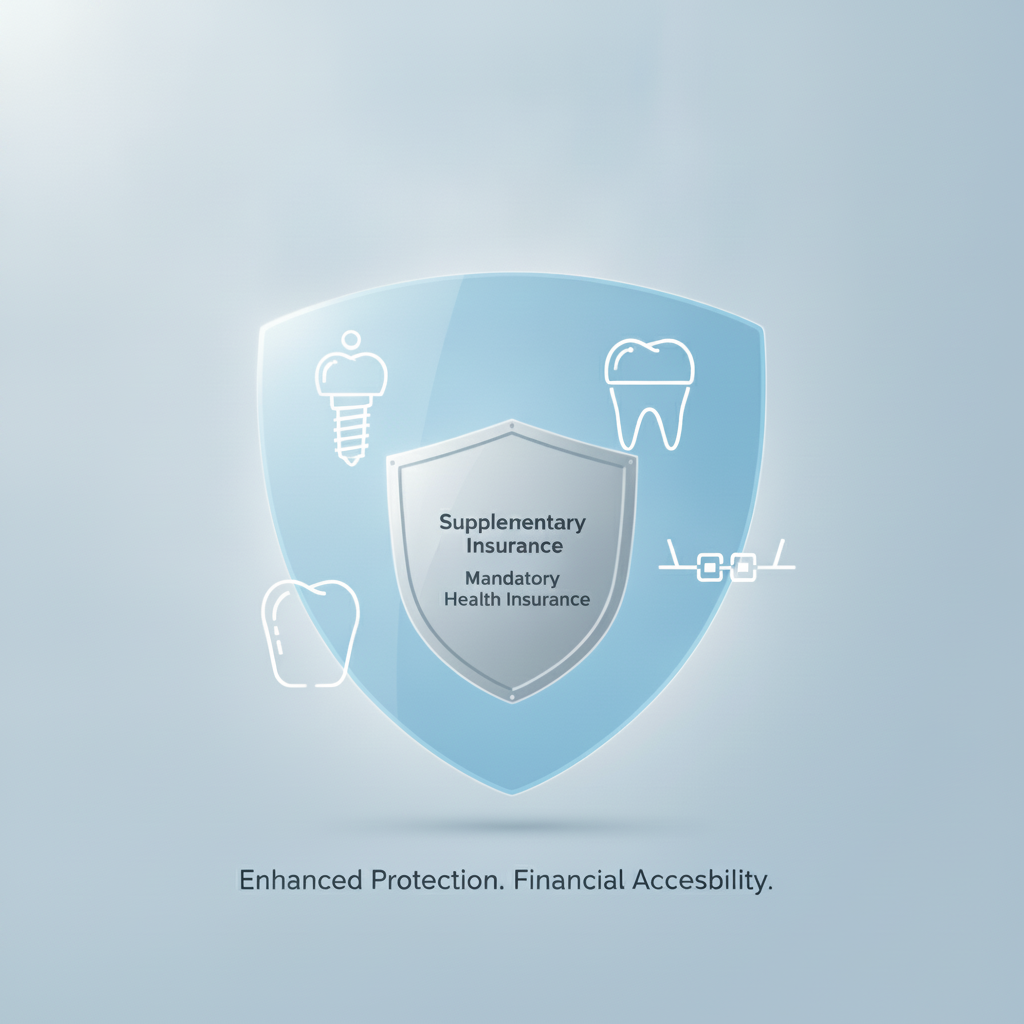
While mandatory health insurance provides a crucial baseline, it often falls short for more expensive or specialized dental treatments. This is where supplementary dental insurance plays a vital role. Most health insurance funds (mutualités) offer their own supplementary dental insurance plans, and there are also private insurance providers. These plans are optional and require additional premiums, but they significantly enhance coverage, especially for procedures with low or no reimbursement under the mandatory system.
Supplementary dental insurance plans vary widely in terms of coverage, waiting periods, maximum reimbursement limits per year, and premium costs. They are particularly beneficial for treatments such as:
- Orthodontics: While mandatory insurance offers limited coverage for children under specific conditions, supplementary plans provide much broader support, often extending to adults or covering a larger percentage of the cost.
- Crowns, Bridges, and Dentures: These prosthetic solutions are often only minimally reimbursed by mandatory insurance, if at all, especially for higher-quality materials. Supplementary plans can cover a substantial portion.
- Dental Implants: Often considered an aesthetic or non-essential procedure by mandatory insurance, dental implants typically receive no reimbursement. Supplementary plans are crucial for obtaining any financial support for dental implant costs in Belgium.
- Periodontal Treatments: While basic gum treatments might see some mandatory coverage, more extensive procedures are usually better covered by supplementary plans.
Choosing the right supplementary plan requires careful consideration of one’s anticipated dental needs, age, and budget. It’s important to compare different providers and plans, paying close attention to deductibles, co-payments, and annual maximums.
Understanding Reimbursement Rates for Specific Procedures
The reimbursement rates for dental procedures in Belgium are not uniform. They depend heavily on the type of treatment and whether it falls under preventive, curative, or specialized care.
| Dental Procedure | Mandatory Insurance Reimbursement (Typical) | Supplementary Insurance Impact (Potential) | Key Considerations |
|---|---|---|---|
| Routine Check-ups (e.g., annual) | 75% – 100% of official tariff | May cover remaining co-pay | Often fully covered for certain age groups (e.g., under 18) or conditions. |
| Basic Fillings (Amalgam/Composite) | 50% – 75% of official tariff | Can increase coverage to 75% – 90% | Amalgam generally better reimbursed than composite due to cost difference in official tariff. |
| Tooth Extractions (Simple) | 60% – 75% of official tariff | May cover remaining co-pay | Complexity of extraction can affect reimbursement and cost. |
| Root Canal Treatment | 25% – 50% of official tariff | Significant additional coverage (e.g., up to 70-80%) | Often a substantial out-of-pocket expense even with mandatory coverage. |
| Crowns and Bridges | Very limited (e.g., 0% – 15% for basic materials) | Crucial for substantial coverage (e.g., 50% – 80%) | Highly dependent on material type; supplementary plan almost essential. |
| Dental Implants | Generally 0% | Only way to get reimbursement (e.g., 20% – 70%) | High cost, significant out-of-pocket without strong supplementary plan. |
| Orthodontics (Children) | Partial, age-dependent, strict conditions | Significantly expands coverage (e.g., 50% – 80%) | Mandatory coverage often has long waiting lists and strict eligibility. |
| Periodontal Treatment | Partial (e.g., 30% – 60%) | Additional coverage (e.g., up to 70%) | Coverage varies based on specific procedures and severity of gum disease. |
This table illustrates that while mandatory insurance provides a baseline, its contribution diminishes significantly for more complex and costly treatments. Supplementary insurance bridges this gap, making advanced dental care more financially accessible.
How to Claim Reimbursement
The process for claiming dental reimbursement in Belgium is generally streamlined. For visits to a ‘conventionné’ dentist, many practices operate a ‘tiers payant’ system (third-party payment), where you only pay your personal contribution (ticket modérateur) directly to the dentist. The dentist then directly bills your mutualité for the reimbursed portion.
For ‘déconventionné’ dentists or cases where the ‘tiers payant’ system is not applied, you will typically pay the full amount upfront. The dentist will then provide you with an ‘attestation de soins donnés’ (certificate of services rendered) or ‘getuigschrift voor verstrekte hulp’. You must submit this form to your health insurance fund. This can often be done via a dedicated mailbox at their offices, online portals, or even mobile apps. Once processed, the reimbursement amount will be transferred to your bank account. It is crucial to submit these forms promptly, as there is often a time limit for claims (usually a few months from the date of treatment).
For supplementary insurance claims, the process is similar. You might need to submit the same ‘attestation de soins donnés’ along with any additional forms required by your supplementary insurer. Some supplementary plans may require prior approval for more expensive treatments like orthodontics or implants, so always check with your insurer before proceeding.
Factors Influencing Reimbursement Amounts
Several factors can influence the actual amount you get reimbursed:
- Age: Children and young adults often benefit from higher reimbursement rates for certain procedures, particularly orthodontics and preventive care.
- Income Level: Certain social statuses or lower income levels may qualify for increased reimbursements, reducing the ‘ticket modérateur’ or increasing the percentage covered. This is often referred to as a ‘BIM’ (Beneficiary of Increased Intervention) status.
- Preventive Care: The Belgian system strongly encourages preventive care. Regular check-ups and cleanings often receive better reimbursement than extensive restorative work if neglect is evident.
- Material Used: Reimbursement can vary based on the materials chosen for fillings, crowns, or dentures. For instance, more aesthetic materials like composite fillings or ceramic crowns may have lower reimbursement rates compared to amalgam or metal.
- Annual Limits: Supplementary insurance plans almost always have annual maximums on the total amount they will reimburse, which can impact coverage for extensive treatments.
- Waiting Periods: Many supplementary dental insurance plans impose waiting periods (e.g., 6 to 12 months) before certain benefits, especially for major dental work, become active.
The Economic Reality of Dental Care in Belgium
Despite the robust healthcare framework, dental care can be a significant financial burden for many Belgians without adequate supplementary insurance. The costs of advanced procedures like dental implants, complex orthodontics, or full mouth reconstructions can run into thousands of euros. While the mandatory system ensures a basic level of care, relying solely on it often means compromising on treatment options or enduring substantial out-of-pocket expenses for higher quality or more aesthetic solutions.
The Belgian government and health insurance funds regularly review and adjust tariffs and reimbursement conditions. Staying informed about these changes is important for effective financial planning for dental health. For detailed information on the official tariffs and reimbursement conditions, authoritative sources such as the National Institute for Health and Disability Insurance (INAMI/RIZIV) are invaluable resources. Healthcare in Belgium, particularly dental care, is a system that balances accessibility with patient contribution, making informed choices about insurance coverage paramount.

In conclusion, while dental reimbursement works in Belgium through a multi-layered system of mandatory and supplementary insurance, active patient engagement is key. Understanding the role of your mutualité, the distinction between contracted and non-contracted dentists, and the benefits of supplementary dental plans empowers individuals to manage their dental health finances effectively and access the high-quality care they need. Strategic planning and clear communication with both your dentist and insurer are essential for navigating the Belgian dental reimbursement landscape successfully.






One Comment