
Hidden Costs of Dental Care in Belgium
Hidden Costs of Dental Care in Belgium
Navigating the healthcare system in any country can be complex, and dental care in Belgium is no exception. While the country boasts a high standard of medical services, many residents and expatriates find themselves grappling with unexpected expenses when it comes to their oral health. The advertised costs for dental procedures often represent only a fraction of the total financial outlay, leaving patients surprised by additional charges that surface throughout their treatment journey. Understanding these nuances is crucial for anyone seeking dental care in Belgium to avoid financial strain and ensure comprehensive treatment.

Understanding the Base Costs of Dental Care in Belgium
At first glance, dental care in Belgium might seem reasonably affordable, primarily due to the country’s national health insurance system. Known as “Mutuelle” or “Ziekenfonds,” this system provides partial reimbursement for a range of medical services, including basic dental treatments. Routine check-ups, standard fillings, and simple extractions typically fall under this basic coverage. However, the reimbursement rates vary significantly, often covering only a percentage of the official fees, and sometimes only for specific age groups or income brackets.
For a standard consultation, you might pay anywhere from €30 to €50, with a portion reimbursed by your mutuelle. Basic fillings, depending on the material and size, can range from €50 to €150 per tooth before reimbursement. These initial figures, while manageable, set a precedent that can be misleading when more complex or cosmetic procedures are required. The perceived affordability often masks a deeper layer of expenses that are not immediately apparent or clearly communicated upfront.
Beyond the Obvious: Uncovering Hidden Costs of Dental Care in Belgium
The real challenge in managing dental expenses in Belgium lies in the myriad of charges that extend beyond the initial procedure fee. These “hidden costs” can accumulate quickly, turning an anticipated expense into a significant financial burden.
Diagnostic Fees and Advanced Imaging
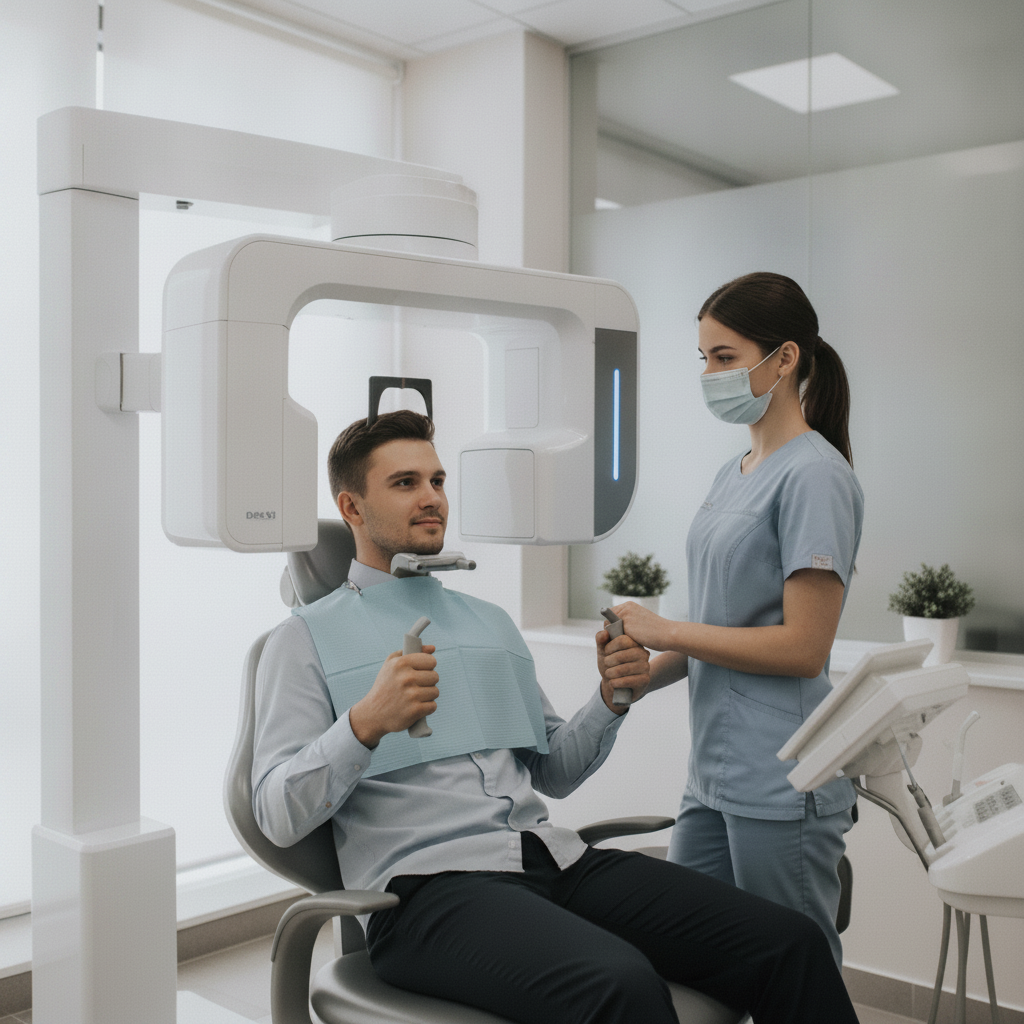
Before any treatment can begin, a thorough diagnosis is essential. This often involves more than just a visual examination. X-rays are standard, but for more complex cases, dentists may recommend panoramic X-rays (orthopantomograms), cephalometric X-rays, or even 3D cone-beam computed tomography (CBCT) scans. While basic X-rays might be partially covered, advanced imaging techniques, which provide highly detailed views of your oral structures, frequently come with higher out-of-pocket costs. These can range from €50 for a panoramic X-ray to several hundred euros for a CBCT scan, with minimal or no reimbursement. These diagnostic tools are vital for precise treatment planning, especially for procedures like dental implants or root canals, but their cost is rarely included in initial treatment estimates.
Specialist Referrals
General dentists are highly skilled, but certain conditions or procedures necessitate the expertise of a specialist. If your case requires an endodontist for a complex root canal, a periodontist for gum disease treatment, an orthodontist for bite correction, or an oral surgeon for wisdom tooth extraction or implant placement, you will incur additional consultation and treatment fees. Each specialist visit adds to the overall cost, and their fees are often higher than those of a general practitioner, with differing reimbursement rates. The referral process itself might not be expensive, but the subsequent treatments certainly can be.
Anesthesia and Sedation
While local anesthesia is typically included in the cost of a procedure, more extensive treatments or anxious patients may require additional sedation options. This can range from nitrous oxide (laughing gas) for mild anxiety to intravenous (IV) sedation or even general anesthesia for major oral surgery. These options significantly increase the total bill, as they require specialized personnel (anesthesiologist) and equipment. The cost of sedation can vary widely, from €100 for laughing gas to over €1000 for general anesthesia, depending on duration and type, and often receives very limited or no reimbursement from standard health insurance.
Material Choices and Quality
The longevity, aesthetics, and biocompatibility of dental restorations often depend on the materials used, which directly impact the cost. For instance, composite (tooth-colored) fillings are more expensive than amalgam (silver) fillings, largely due to the material cost and the more intricate bonding process. Similarly, crowns can be made from various materials like porcelain-fused-to-metal (PFM), full porcelain, or zirconia. Zirconia and full porcelain crowns, while offering superior aesthetics and durability, command a much higher price. While some basic materials may see partial reimbursement, premium materials are almost entirely out-of-pocket expenses. Patients often face a choice between a cheaper, less durable option and a more expensive, high-quality solution with long-term benefits.
Post-Procedure Care and Follow-ups
The cost of dental care doesn’t necessarily end when the primary procedure is completed. Many treatments, especially surgical ones like implant placement or complex extractions, require follow-up visits to monitor healing, remove sutures, or make adjustments. Medications such as antibiotics or pain relievers are also additional expenses. In some cases, unexpected complications might arise, necessitating further appointments or corrective procedures, each incurring its own set of charges. These subsequent visits, prescriptions, and potential revisits are rarely factored into the initial quoted price.
Laboratory Fees
For procedures involving custom-made dental appliances such as crowns, bridges, veneers, dentures, or even custom abutments for implants, dentists rely on dental laboratories. These laboratories craft high-quality prosthetics based on impressions or digital scans provided by the dentist. The fees charged by these labs are a substantial component of the overall cost, and they are almost always passed directly onto the patient. The complexity of the work, the materials used, and the lab’s reputation all influence these fees, which can range from hundreds to thousands of euros per appliance. These are rarely broken down in initial estimates but are embedded within the final cost of the restoration.
Administrative Fees and Unforeseen Charges
Occasionally, patients encounter administrative fees for things like processing insurance claims (though this is less common for in-network providers), or charges for missed appointments (if not cancelled within a specific timeframe). Emergency appointments outside regular hours often carry a surcharge. While these may seem minor individually, they contribute to the overall unpredictability of dental expenses.
To illustrate how these factors can play a role, consider the following breakdown for common procedures:
| Dental Procedure | Average Base Cost (approx.) | Potential Hidden Costs | Examples of Hidden Costs |
|---|---|---|---|
| Standard Filling | €50 – €150 | Higher material cost, additional diagnostic X-rays, follow-up if discomfort persists. | Extra €50-€100 for composite vs. amalgam, €30 for a second X-ray. |
| Root Canal | €300 – €800 | Specialist referral, advanced imaging, post-treatment crown, re-treatment if failure. | Endodontist fee: €150-€300, CBCT scan: €100-€200, Crown: €600-€1200. |
| Tooth Extraction | €80 – €250 | Surgical extraction specialist, sedation, bone graft if needed, post-op medication. | Oral surgeon fee: €100-€300, IV sedation: €400-€800, Bone graft: €300-€600. |
| Dental Crown | €600 – €1200 | Preliminary treatments (e.g., build-up), material choice (e.g., zirconia), lab fees, temporary crown. | Zirconia premium: €200-€400, Core build-up: €100-€200, Lab fees can be substantial. |
| Dental Implant | €1500 – €2500 (per implant) | Advanced diagnostics, bone grafting, sinus lift, custom abutment, crown, follow-up surgeries. | CBCT: €150-€250, Bone graft: €500-€1500, Custom abutment: €300-€600. |
The Impact of Dental Insurance and Supplementary Plans
Belgium’s national health insurance is a cornerstone of its healthcare system, but when it comes to dental care, its coverage is often limited. While it provides a safety net for basic preventative and restorative treatments, it frequently offers minimal reimbursement for specialized procedures, prosthetics, or cosmetic dentistry. This means a significant portion of the costs for crowns, bridges, veneers, and dental implants often falls directly on the patient. For those seeking more extensive treatments, exploring supplementary dental insurance plans is common. These private plans, offered by various insurers, can significantly increase reimbursement rates and cover a broader range of procedures. However, they come with their own set of considerations: premiums, deductibles, waiting periods before certain treatments are covered, and annual maximums. Even with a good supplementary plan, it is rare for all dental costs to be fully covered, and patients should always clarify the specifics of their policy before embarking on costly treatments. For example, understanding if dental implant costs in Belgium are fully covered by insurance is crucial for financial planning.
Comparing Costs: Belgium vs. Dental Tourism
The substantial costs associated with comprehensive dental care in Belgium have led many to consider dental tourism as a viable alternative. Countries like Turkey, Hungary, and Poland have become popular destinations for patients seeking high-quality dental work at a fraction of the price found in Western European nations. This difference in cost is often attributed to lower operational expenses, laboratory fees, and labor costs in these countries. While travel, accommodation, and time off work need to be factored into the equation, the overall savings can still be considerable, particularly for extensive treatments like full mouth restorations or multiple implants. Patients contemplating this option should thoroughly research clinics abroad, ensuring they meet international standards of care and offer transparent pricing with no hidden surprises.
Strategies to Mitigate Hidden Dental Costs
Navigating the complexities of dental costs in Belgium requires proactive strategies to minimize financial surprises. Firstly, prioritizing preventive care is paramount. Regular check-ups and professional cleanings can prevent minor issues from escalating into major, costly problems. Secondly, transparent communication with your dentist is key. Always request a detailed written estimate for any recommended treatment, breaking down the costs of each component (procedure, materials, lab fees, anesthesia). Do not hesitate to ask clarifying questions about potential additional fees and explore different material options. Getting multiple quotes from different dental practices can also provide a clearer picture of average costs and help identify outliers. Finally, a thorough understanding of your insurance policy, both national and supplementary, is essential. Know your coverage limits, reimbursement rates, deductibles, and waiting periods. Being an informed patient is your best defense against unexpected dental expenses.
In conclusion, while Belgium offers excellent dental care, the journey through its financial landscape can be fraught with hidden costs. By understanding the various components that contribute to the overall expense, from diagnostic fees to material choices and post-procedure care, patients can better prepare and budget for their oral health needs. Proactive inquiry, detailed financial planning, and a clear grasp of insurance policies are indispensable tools for anyone seeking dental treatment in Belgium. For further general information on healthcare systems, resources like Wikipedia’s entry on Healthcare in Belgium can provide broader context.




One Comment