Are Veneers Covered by Insurance in Belgium?
Are Veneers Covered by Insurance in Belgium?
Dental veneers represent a significant investment in both aesthetic appeal and dental health. Many individuals in Belgium seeking to enhance their smiles with veneers often wonder about the financial implications, particularly whether these cosmetic treatments are covered by health insurance. Understanding the nuances of the Belgian healthcare system, with its combination of public and private options, is crucial for anyone considering this popular dental procedure. This comprehensive guide aims to demystify the insurance landscape surrounding veneers in Belgium, providing clarity for prospective patients.
Understanding Dental Veneers: More Than Just Aesthetics
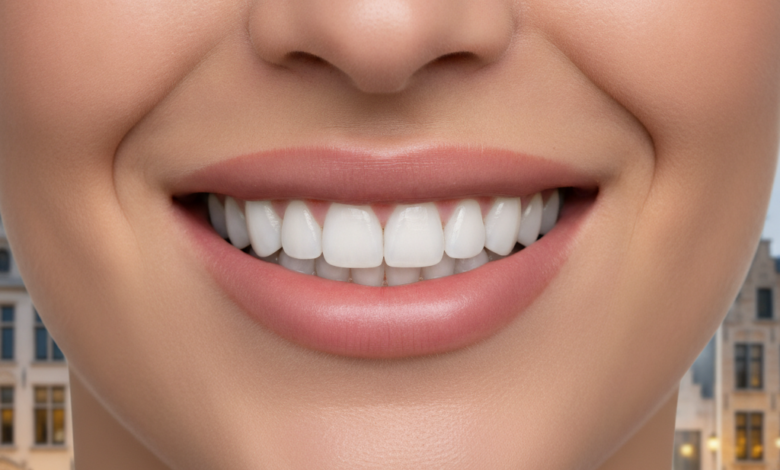
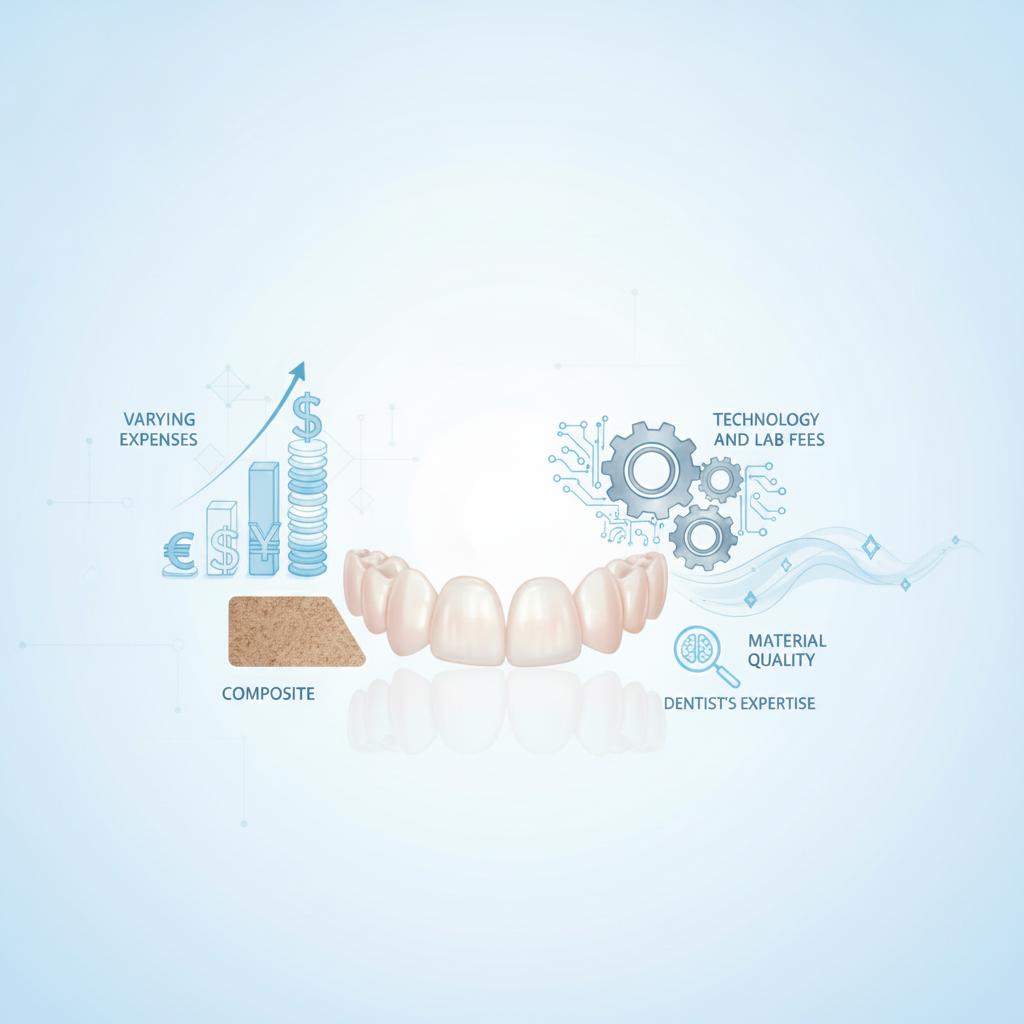
Dental veneers are thin, custom-made shells designed to cover the front surface of teeth, improving their appearance. They are meticulously crafted from either porcelain or composite resin materials, offering a transformative solution for various dental imperfections. Porcelain veneers are renowned for their natural appearance, durability, and resistance to staining, typically lasting 10-15 years or even longer with proper care. Composite veneers, while generally less expensive and often applied in a single visit, may not offer the same longevity or stain resistance as porcelain, lasting typically 5-7 years.
Patients choose veneers for a multitude of reasons, ranging from purely cosmetic desires to functional improvements. Common issues addressed by veneers include:
- Discolored teeth that whitening procedures cannot correct.
- Worn-down or chipped teeth.
- Misaligned, uneven, or irregularly shaped teeth.
- Gaps between teeth.
While often perceived as a cosmetic enhancement, veneers can also offer a protective layer for compromised tooth enamel, contributing to overall oral health. The procedure typically involves an initial consultation, tooth preparation (minimal enamel removal), impressions, temporary veneers, and finally, the bonding of the custom-made permanent veneers. The precise and intricate nature of veneer placement requires skilled dental professionals and high-quality materials, contributing to their cost.
The Belgian Healthcare Landscape: Basic vs. Supplementary Dental Coverage
Belgium operates a social security system that provides mandatory health insurance to all residents, primarily managed by various “mutuelles” or “ziekenfondsen” (mutual health insurance funds). This system covers a broad range of medical treatments, including essential dental care. However, the scope of coverage for dental procedures often distinguishes between “medically necessary” treatments and purely “cosmetic” interventions.
Basic mandatory health insurance in Belgium typically covers preventative care (e.g., annual check-ups, cleaning), restorative treatments (e.g., fillings, extractions, root canals), and partial reimbursement for some prosthetic work like crowns or bridges, especially for specific age groups or conditions. The reimbursement rates vary significantly based on the type of procedure, the patient’s age, and whether the dentist adheres to official fee agreements (conventionné/geconventioneerd).
Beyond the basic public health insurance, many Belgians opt for supplementary insurance packages offered by their mutuelles or take out private dental insurance from specialized providers. These supplementary plans aim to fill the gaps in basic coverage, offering better reimbursement for orthodontics, periodontics, and certain prosthetics that are only partially covered or not covered at all by the mandatory scheme. The crucial question for veneers lies in how these different layers of insurance classify and cover cosmetic dentistry.
Are Veneers Covered by Insurance in Belgium? Public vs. Private Plans
When it comes to dental veneers, the primary challenge in securing insurance coverage in Belgium stems from their classification. For the vast majority of cases, veneers are considered an aesthetic or cosmetic procedure, not a medically necessary treatment for functional oral health. This distinction is paramount in the context of Belgian insurance policies.
Public Health Insurance (Mutuelles/Ziekenfondsen):
Generally, the mandatory public health insurance system in Belgium does NOT cover dental veneers. Since veneers are typically chosen for improving the appearance of teeth rather than treating disease or restoring essential function, they fall outside the scope of basic reimbursement. There might be extremely rare exceptions where a veneer is part of a reconstructive treatment following a severe accident or congenital anomaly, and even then, the reimbursement would be partial and subject to stringent approval processes. These are highly specific scenarios and should not be considered standard coverage for elective cosmetic veneers.
Supplementary Insurance (via Mutuelles):
Many mutuelles offer supplementary dental insurance packages. While these plans provide better coverage for various dental treatments than basic insurance, most still have strict limitations or outright exclusions for purely cosmetic procedures like veneers. Some plans might offer a very minimal reimbursement if the veneer is used for restorative purposes (e.g., to strengthen a weakened tooth after trauma, rather than just aesthetic improvement), but this is uncommon and typically comes with low percentages and annual caps. It is imperative to review the specific terms and conditions of each supplementary plan, paying close attention to sections on “cosmetic dentistry” or “aesthetic treatments.”
Private Dental Insurance:
Private dental insurance, purchased independently from specialized insurance companies, offers the most potential for partial coverage of cosmetic procedures, including veneers. However, even with private plans, coverage is rarely comprehensive. Key considerations for private dental insurance in Belgium include:
- Waiting Periods: Many policies impose a waiting period (e.g., 6-12 months) before cosmetic treatments become eligible for reimbursement.
- Deductibles: Patients often have to pay a certain amount out-of-pocket before the insurance coverage kicks in.
- Annual Caps: There is typically an annual maximum amount that the insurance company will reimburse for all dental treatments, including cosmetic ones. Veneers, being a significant expense, can quickly reach this cap.
- Reimbursement Percentage: For cosmetic procedures, the reimbursement percentage is generally lower than for medically necessary treatments, often ranging from 20% to 70% of the cost, up to the annual limit.
Understanding these distinctions is crucial for anyone exploring dental enhancements. For a quick overview, consider the typical approach of different insurance types in Belgium regarding veneers:
| Insurance Type | Basic Coverage for Veneers | Conditions for Partial Reimbursement | Typical Reimbursement Level (if any) |
|---|---|---|---|
| Public Health Insurance (Mutuelles/Ziekenfondsen) | Generally no coverage (classified as cosmetic) | Extremely rare; only for severe functional impairment, traumatic injury, or congenital anomaly. Requires medical justification. | Minimal, if at all, and highly exceptional. |
| Supplementary Insurance (via Mutuelles) | Limited to no coverage for purely aesthetic veneers. | Might cover partial costs if deemed medically necessary/reconstructive (e.g., post-trauma). Subject to plan-specific clauses. | Low percentage (e.g., 0-20%) with strict annual limits and waiting periods. |
| Private Dental Insurance | Varies significantly by plan; some include cosmetic dental work. | Often subject to waiting periods, deductibles, annual caps, and specific exclusions. Medical justification may increase coverage. | Can range from 20-70% for cosmetic procedures, up to an annual maximum, after deductibles and waiting periods. |
This structured breakdown highlights the general lack of public support for cosmetic veneers and the varying levels of potential assistance from private plans. For more details on dental reimbursement mechanisms in Belgium, you might find this resource on how dental reimbursement works in Belgium helpful.
Navigating Public Health Insurance (Mutuelles/Ziekenfondsen) for Dental Care
The mandatory public health insurance system in Belgium, managed by various mutual health insurance funds (Christelijke Mutualiteit, Socialistische Mutualiteit, Onafhankelijke Ziekenfondsen, etc.), plays a foundational role in healthcare access. Each resident is affiliated with a mutuelle, which provides reimbursement for a wide array of medical services, including basic dental care. While this system ensures access to essential treatments, its primary focus is on health maintenance and restoration rather than aesthetic enhancements. Therefore, when a procedure like veneers is considered primarily cosmetic, it falls outside the scope of what the public system is designed to subsidize. This principle is consistent across most European public healthcare models, where elective aesthetic treatments are self-funded. Patients should always consult their specific mutuelle for the most up-to-date information regarding their individual entitlements and any potential, albeit rare, exceptions.
The Role of Private Dental Insurance for Cosmetic Procedures
For those determined to pursue veneers, private dental insurance emerges as the most viable avenue for mitigating costs in Belgium. Numerous private insurers offer specialized dental plans designed to complement or surpass the coverage provided by mutuelles. These plans often feature different tiers of coverage, with higher premiums correlating to better reimbursement rates and broader inclusions, potentially extending to cosmetic treatments.
When evaluating private dental insurance for veneers, it is crucial to scrutinize several policy components:
- Coverage for Cosmetic Dentistry: Explicitly check if “aesthetic treatments” or “veneers” are listed as covered procedures.
- Reimbursement Rates: Understand the percentage of the cost the insurer will cover.
- Annual Maximums: Be aware of the maximum amount the policy will pay out in a year. Given the cost of veneers, this cap can be reached quickly.
- Waiting Periods: Many policies have waiting periods before certain treatments, especially cosmetic ones, become eligible for reimbursement.
- Deductibles: Some policies require you to pay a certain amount out-of-pocket before the insurance starts paying.
Thorough research and direct communication with insurance providers are essential to ensure the chosen plan aligns with your needs and expectations for veneer coverage.
Factors Influencing Veneer Costs and Potential Reimbursement
- Material: Porcelain veneers are generally more expensive than composite veneers due to their superior durability, aesthetics, and the laboratory work involved.
- Number of Veneers: The total cost is directly proportional to the number of teeth being treated. A full smile makeover can involve 6-10 veneers per arch.
- Dentist’s Fees: The experience and reputation of the dentist, as well as the location of the clinic, can influence the price.
- Additional Procedures: Sometimes, preparatory treatments like gum contouring or minor orthodontic adjustments may be necessary, adding to the overall cost.
- Clinic Location: Prices can differ slightly between urban and rural areas, or between different regions of Belgium.
Understanding these cost drivers is vital for setting realistic financial expectations. Even with private insurance that offers partial reimbursement for cosmetic procedures, a substantial portion of the cost of veneers in Belgium typically remains the patient’s responsibility.
The Veneer Procedure: A Brief Overview
The journey to a new smile with veneers typically unfolds over several appointments. It begins with a comprehensive consultation where the dentist assesses oral health, discusses aesthetic goals, and determines suitability for veneers. If suitable, the teeth are minimally prepared, which involves removing a small amount of enamel to accommodate the veneers. Impressions of the prepared teeth are then taken and sent to a dental laboratory where the custom porcelain veneers are meticulously fabricated. In the interim, temporary veneers may be placed. Once the permanent veneers are ready, the patient returns for a final fitting and bonding, ensuring a perfect match in shape, size, and color before they are permanently cemented onto the teeth. This detailed process ensures a durable and aesthetically pleasing outcome.
Exploring Alternatives: Dental Tourism for Cost-Effective Veneers
Given the high costs and limited insurance coverage for veneers in Belgium, many individuals consider dental tourism as a viable alternative. Countries known for advanced dental care at more affordable prices, such as Turkey, have become popular destinations for cosmetic procedures like veneers. Dental tourism packages often include the treatment itself, accommodation, and sometimes even travel arrangements, providing significant savings compared to domestic prices, even when factoring in travel expenses. This option allows patients to receive high-quality veneers from experienced professionals while potentially experiencing a cultural trip, making it an attractive prospect for those seeking a balance between quality and cost.
Maximizing Your Chances for Reimbursement and Smart Planning
- Thorough Policy Review: Always read your insurance policy documents carefully or contact your provider directly to understand what is and isn’t covered, especially regarding cosmetic clauses, waiting periods, and annual limits.
- Pre-Approval: For private insurance, request a pre-approval or detailed quote from your dentist that you can submit to your insurer. This clarifies potential reimbursement amounts before committing to the procedure.
- Medical Justification: If there’s any functional or reconstructive component to why you need veneers (e.g., severe tooth damage from an accident), ensure your dentist provides thorough documentation. This might, in rare cases, sway an insurer towards partial coverage.
- Compare Quotes: Obtain detailed quotes from several dentists in Belgium. Prices can vary, and a clear understanding of all costs involved is essential.
- Consider Long-Term Value: While initial cost is a factor, consider the longevity and maintenance requirements of different veneer types (porcelain vs. composite) to understand the long-term financial commitment.
Ultimately, making an informed decision about veneers in Belgium requires a clear understanding of the procedure, a realistic assessment of insurance coverage limitations, and careful financial planning. The Belgian system prioritizes essential care, leaving cosmetic enhancements largely to personal investment, but exploring private options and even international alternatives can open up pathways to achieving your desired smile.
The World Health Organization (WHO) provides broader context on healthcare systems globally, highlighting variations in coverage for elective procedures, reinforcing the necessity for individuals to understand their specific national and private insurance provisions. For more general information on healthcare systems and policies, consult reputable sources like Wikipedia on Healthcare in Belgium.