Public vs Private Dental Care Belgium
Public vs Private Dental Care Belgium represents a significant decision point for residents seeking dental treatment. Understanding the nuances between these two systems is crucial for making informed choices that align with individual needs, budgets, and expectations for dental health. Belgium, like many European countries, operates a complex healthcare system where both public and private options coexist, offering varying levels of access, coverage, and specialized services. Navigating this landscape requires a clear understanding of what each system entails, from basic preventative care to advanced reconstructive and cosmetic procedures. This guide aims to demystify the choices available, helping individuals in Belgium comprehend the benefits and drawbacks of public versus private dental care.
Understanding Belgium’s Dental Landscape
The Belgian healthcare system is generally known for its high quality, but dental care often requires a closer look due to varying reimbursement rates and the proliferation of private practices offering specialized services. The system is primarily funded through social security contributions and government subsidies, with citizens typically affiliated with a “mutualité” (mutuelle in French, ziekenfonds in Dutch) – a non-profit health insurance fund. These mutualités play a central role in reimbursing a portion of medical expenses, including dental treatments. However, the extent of this reimbursement can differ significantly depending on the type of treatment and whether the dentist operates under the agreed-upon national conventions (public) or is entirely private.
Public vs Private Dental Care Belgium: Key Differences
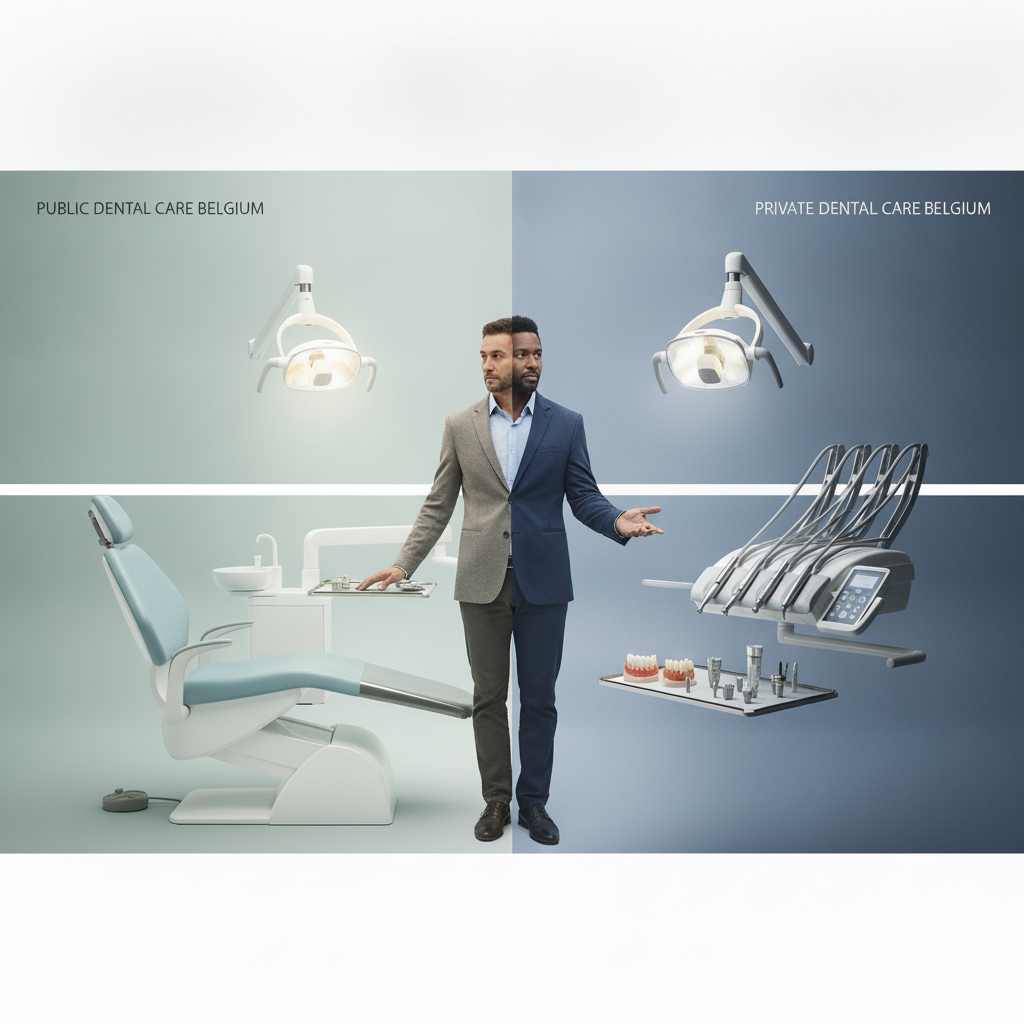
The core distinction between public and private dental care in Belgium lies in adherence to national conventions, pricing, range of services, and patient experience. Dentists operating under the “conventionné” (public) system agree to national tariffs for their services, ensuring a standardized pricing structure and predictable reimbursement from mutualités. Private (non-conventionné) dentists, on the other hand, are free to set their own fees, which often reflect higher operational costs, specialized expertise, and advanced technology.
Public Dental Care: Accessibility and Reimbursement
Public dental care in Belgium emphasizes accessibility and affordability for essential treatments. Dentists who are “conventionné” follow a set fee schedule, meaning patients know upfront how much they will be reimbursed by their mutualité. This system is designed to make basic and preventative dental care, such as routine check-ups, cleanings, fillings, and extractions, financially manageable for the majority of the population. Reimbursement rates typically vary from 50% to 75% for adults, and often up to 100% for children and young adults under 18, particularly for preventative care.
However, the scope of treatments covered under the public system can be limited, especially for more complex or cosmetic procedures. While necessary treatments are covered, there might be less choice in materials (e.g., amalgam vs. composite fillings in certain situations) or specific techniques. Patients might also find that conventionné dentists have longer waiting lists for appointments, and the immediate availability of specialized equipment might be lower compared to private clinics. The focus here is on maintaining fundamental oral health rather than aesthetic enhancements or the latest technological advancements. For a detailed understanding of how the reimbursement system works, exploring resources like how dental reimbursement works in Belgium can be beneficial.
Private Dental Care: Choice, Quality, and Cost
Private dental care offers a different experience, characterized by greater choice, often higher perceived quality, and a broader array of services. Private dentists, who are “non-conventionné,” set their fees above the national tariffs, with the difference typically not reimbursed by standard mutualité coverage. This means patients bear a larger portion of the cost out-of-pocket, although supplementary private dental insurance can help mitigate these expenses.
The advantages of private dental care are numerous. Patients benefit from greater flexibility in choosing their dentist based on specialization, reputation, or location, without being restricted by convention agreements. Private clinics often invest in state-of-the-art technology, offering advanced diagnostic tools, modern treatment techniques, and a wider selection of materials (e.g., various types of crowns, veneers, and high-quality implants). Cosmetic dentistry, which is rarely covered by the public system, is a cornerstone of private practices, allowing patients to pursue smile makeovers, teeth whitening, and other aesthetic enhancements. Wait times are generally shorter, and appointments can often be scheduled more conveniently. The patient experience in private clinics often includes more personalized attention, comfortable environments, and extended consultation times.
A Comparative Overview: Public vs. Private Dental Services
To provide a clearer picture, here’s a comparative overview of key aspects between public and private dental care in Belgium:
| Feature | Public Dental Care (Conventionné) | Private Dental Care (Non-Conventionné) |
|---|---|---|
| Cost Structure | Adheres to national tariffs, standardized fees. | Dentists set their own fees, often higher. |
| Reimbursement | Significant portion reimbursed by mutualités (50-100%). | Limited or no reimbursement from standard mutualités; supplementary insurance crucial. |
| Treatment Scope | Focus on essential, preventative, and restorative care. | Comprehensive range, including advanced, specialized, and cosmetic procedures. |
| Technology & Materials | Standard materials and equipment. | State-of-the-art technology, premium materials, wider options. |
| Dentist Choice | Limited by dentists adhering to conventions. | Freedom to choose any dentist, including specialists. |
| Wait Times | Can be longer for appointments, especially for popular practices. | Generally shorter wait times, more flexible scheduling. |
| Patient Experience | Standard care, potentially less personalized attention due to volume. | Personalized care, comfortable environment, extended consultation time. |
| Cosmetic Dentistry | Rarely covered or offered. | Core service offering, wide range of aesthetic treatments. |
Navigating Specific Dental Procedures
The choice between public and private care becomes even more critical when considering specific dental procedures, as the cost and coverage discrepancies can be substantial.
Routine Check-ups and Preventative Care
For routine check-ups, cleanings, and basic preventative measures, both public and private systems offer these services. In the public system, these are often highly reimbursed, especially for annual visits, making them very affordable. Private dentists also offer these, but their fees will be higher, meaning a larger out-of-pocket expense unless covered by a good supplementary insurance plan. For general oral hygiene, public options are often sufficient and cost-effective.
Major Dental Work: Implants, Crowns, and Orthodontics
This is where the financial divide becomes most apparent. Major dental work such as dental implants, crowns, bridges, and orthodontic treatments can be very expensive. The public system typically offers limited reimbursement for these, often only for specific indications or types of materials, and usually only a fraction of the total cost. For instance, while some basic crowns might see partial reimbursement, advanced ceramic crowns or multiple implants are largely patient-funded. Orthodontics for children might receive partial reimbursement, but adult orthodontics is almost entirely out-of-pocket.
Private clinics, on the other hand, specialize in offering the full spectrum of these advanced treatments. They provide various implant systems, a wide array of crown materials (e.g., zirconia, E-max), and comprehensive orthodontic solutions including invisible aligners. While the initial cost is higher, the choice of technology, materials, and specialist expertise often justifies the investment for many patients. Understanding the dental implant procedure in Belgium, for instance, highlights the complexity and investment involved.
Cosmetic Dentistry and Aesthetic Treatments
Cosmetic dentistry, including treatments like veneers, professional teeth whitening, smile makeovers, and gum contouring, falls almost exclusively under the purview of private dental care. These procedures are primarily aesthetic and are not considered medically necessary by the public system, therefore they receive virtually no reimbursement from standard mutualités. Patients seeking to enhance the appearance of their smile must typically rely on private dentists and fund these treatments themselves, or through specialized private dental insurance that includes cosmetic coverage.
The Financial Implications and Hidden Costs
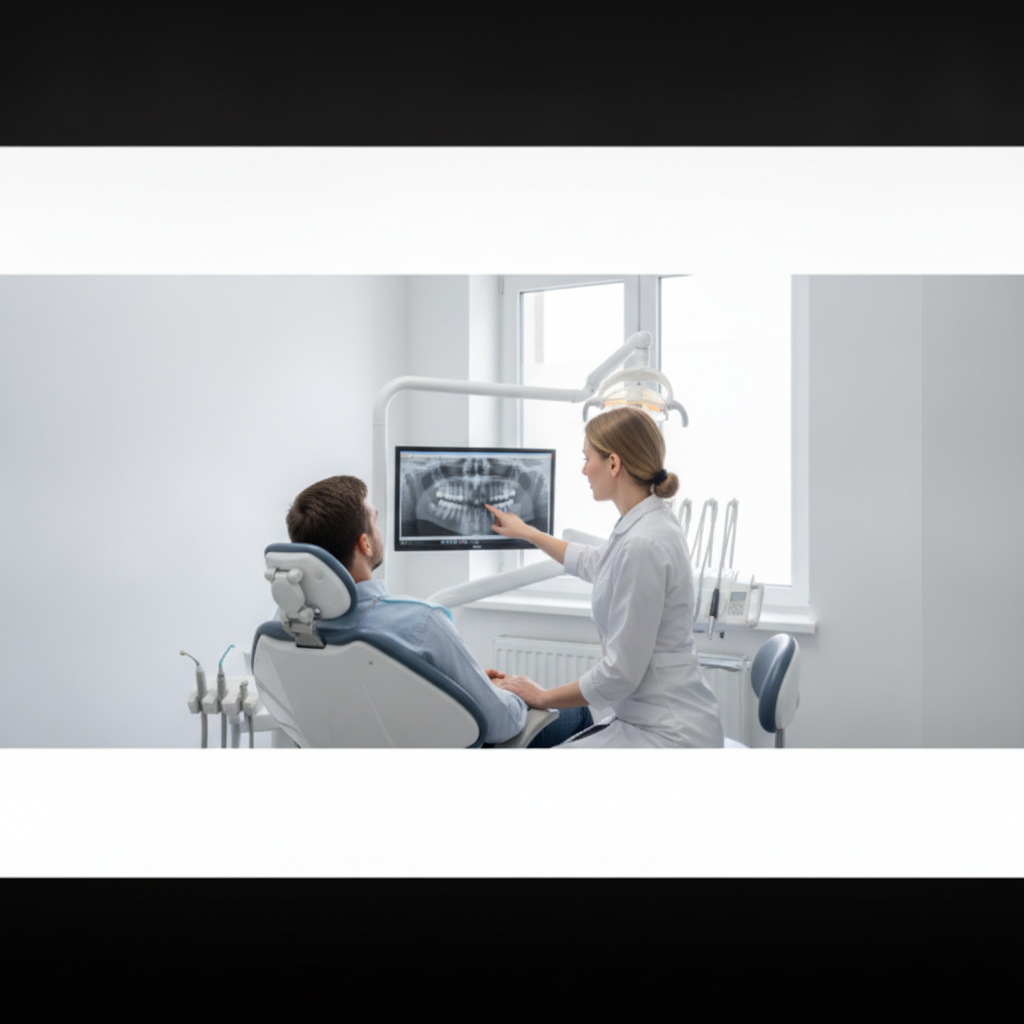
Beyond the stated fees and reimbursement rates, patients in Belgium should be aware of potential hidden costs of dental care in Belgium. These can include diagnostic imaging (X-rays, CT scans), anesthesia, laboratory fees for prosthetics, and follow-up appointments, which may not always be fully covered or transparently priced across both systems.
To mitigate high out-of-pocket expenses, especially in the private sector, many Belgians opt for supplementary private dental insurance. These plans, offered by various providers, can significantly increase the reimbursement rates for treatments not adequately covered by mutualités, including a portion of private fees for major work and sometimes even cosmetic procedures. Choosing the best dental insurance in Belgium is a strategic decision for managing long-term dental health costs.
The decision between public and private dental care in Belgium is multifaceted. It involves weighing the importance of cost versus the desire for choice, advanced technology, and aesthetic results. For basic and preventative care, the public system, with its high reimbursement rates, often presents the most economical choice. However, for complex procedures, specialized treatments, or cosmetic enhancements, the private sector offers a broader range of options, albeit at a higher personal cost.
Ultimately, the best approach often involves a hybrid strategy: utilizing the public system for routine care and considering private options, possibly supplemented by additional insurance, for more extensive or elective treatments. Understanding your mutualité’s specific coverage, exploring supplementary insurance plans, and consulting with dentists about their status (conventionné or non-conventionné) are all essential steps in navigating Belgium’s dental care landscape effectively. For more general information on healthcare systems, individuals may find resources like Wikipedia’s entry on Healthcare in Belgium helpful in understanding the broader context.