Why Dental Implants Are Not Fully Covered

Why Dental Implants Are Not Fully Covered
Dental implants represent one of the most significant advancements in restorative dentistry, offering a durable, aesthetically pleasing, and functional solution for missing teeth. Unlike traditional dentures or bridges, implants integrate directly with the jawbone, providing unparalleled stability and preserving bone health. However, for many patients considering this life-changing procedure, the primary concern often revolves around cost, specifically the extent to which their insurance will cover it. The reality for most is that dental implants are not fully covered by standard dental insurance plans, leading to substantial out-of-pocket expenses. This comprehensive guide will delve into the intricate reasons behind this limited coverage, explore the components of implant cost, and offer strategies for making this vital treatment more accessible.
Understanding the High Cost of Dental Implants
The cost of dental implants is a multi-faceted issue, stemming from the complexity of the procedure, the advanced materials used, and the specialized expertise required. Each component of the implant process contributes to the overall expense, making it significantly more involved than a routine dental filling or extraction.
Components of Dental Implant Cost
The total cost typically includes several distinct elements:
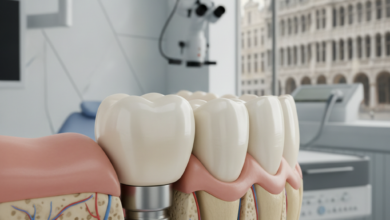
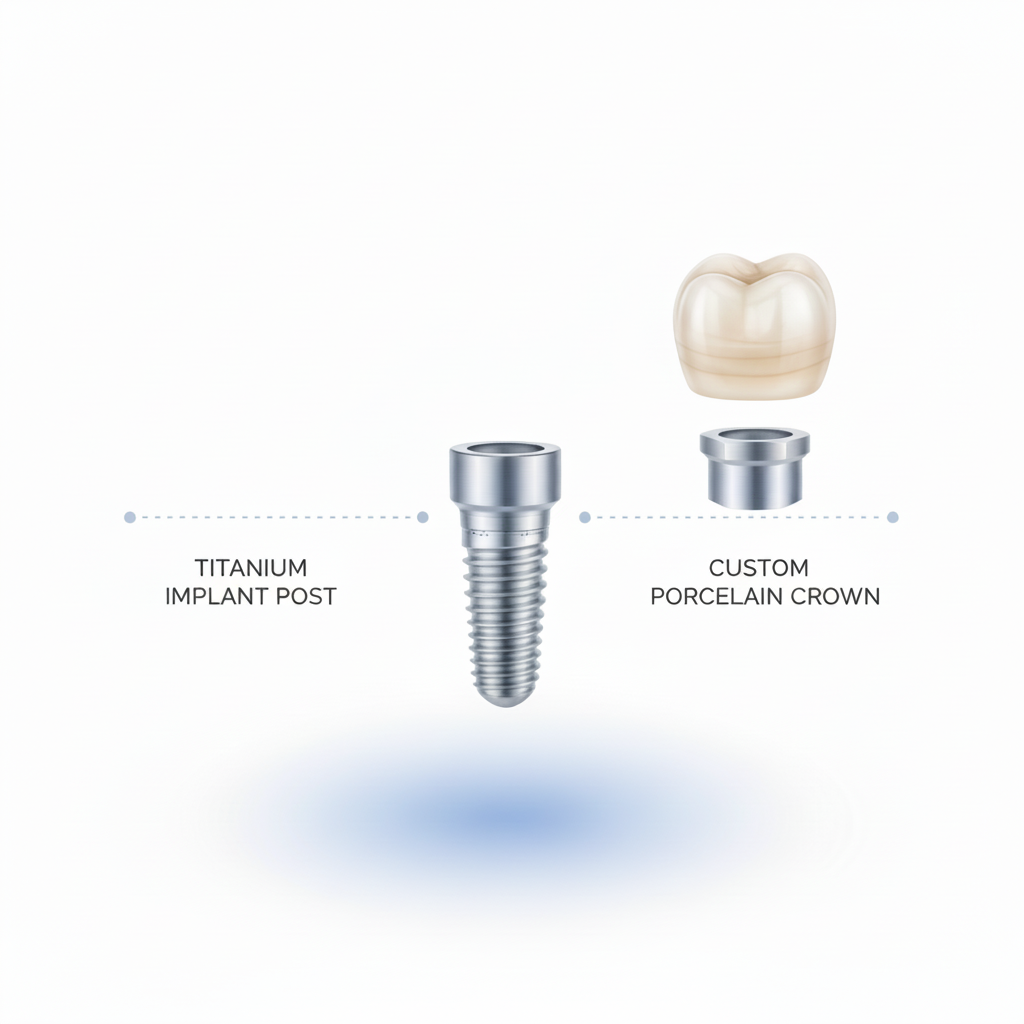
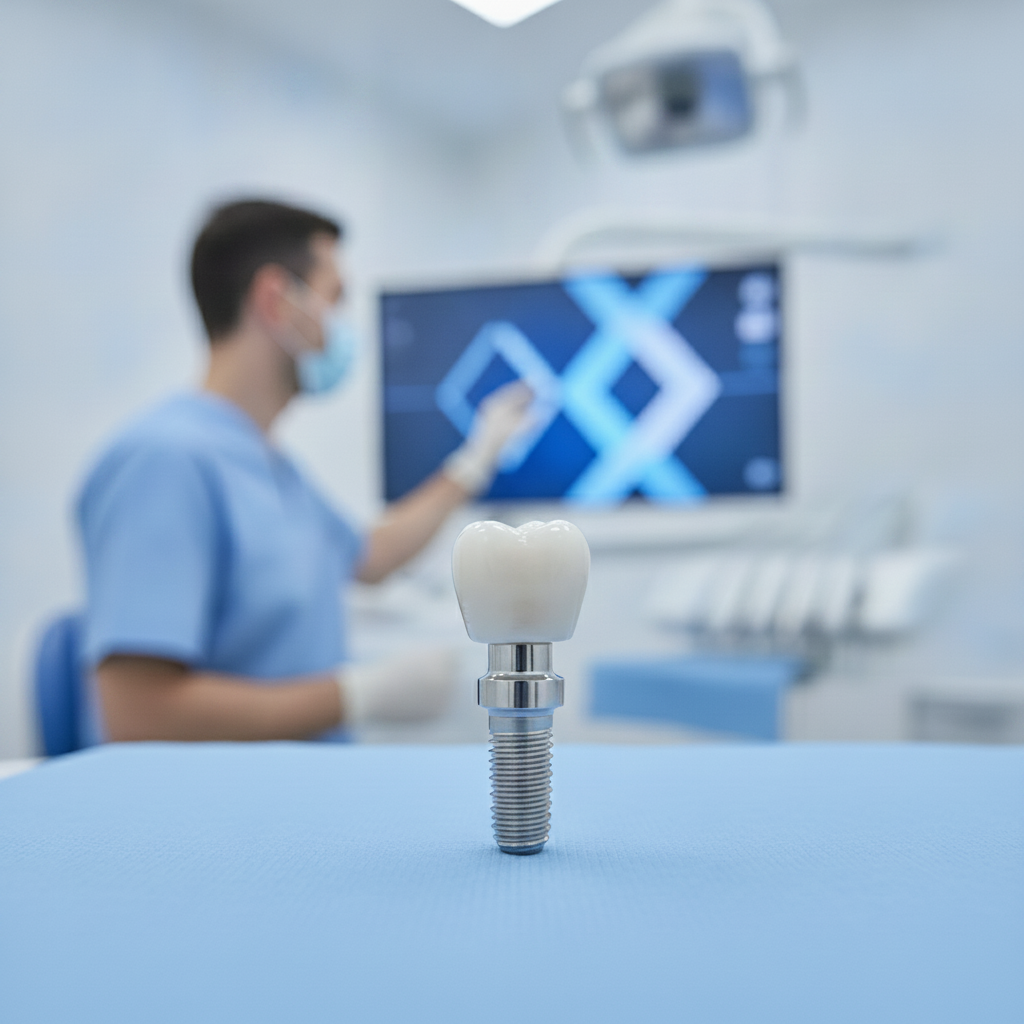
- Surgical Placement of the Implant Post: This is the titanium (or zirconium) screw surgically inserted into the jawbone. It’s the foundation of the new tooth, requiring a skilled oral surgeon or periodontist.
- Abutment: A connector piece that attaches to the implant post and extends through the gum line, serving as the base for the prosthetic tooth.
- Dental Crown/Prosthesis: The visible part of the tooth, custom-made to match the patient’s natural teeth in shape, size, and color. This can be made of porcelain, ceramic, or zirconia.
- Diagnostic Procedures: X-rays, 3D CT scans, and initial consultations are necessary to assess bone quality, identify nerve locations, and plan the surgical approach.
- Anesthesia/Sedation: Depending on the patient’s comfort level and the complexity of the surgery, local anesthesia, conscious sedation, or general anesthesia may be used.
- Ancillary Procedures: Some patients may require additional treatments before implant placement, such as tooth extractions, bone grafting (if insufficient bone density exists), or sinus lifts. These procedures add significantly to the overall cost.
- Post-Operative Care: Follow-up appointments and necessary medications are also part of the treatment plan.
Each of these steps requires specialized equipment, materials, and professional fees from dentists, oral surgeons, and lab technicians. This extensive list of components explains why the total cost for a single dental implant can range from a few thousand to several thousand dollars, varying greatly by region, practitioner, and case complexity.
Why Dental Implants Are Not Fully Covered by Insurance
The primary reason why standard dental insurance plans offer limited or no coverage for dental implants lies in how they classify the procedure. Historically, dental insurance was designed to cover preventive care (cleanings, check-ups) and basic restorative treatments (fillings, extractions, root canals). More complex procedures like crowns, bridges, and especially implants were often deemed “major” or even “cosmetic.”
Insurance Classification and Loopholes
Insurance companies often categorize dental implants in one of the following ways:
- Cosmetic Procedure: Despite their immense functional and health benefits, some insurers still view implants as primarily aesthetic, especially if alternatives like dentures or bridges are available, even if those alternatives are less ideal.
- Major Procedure with Limited Coverage: Even when recognized as medically necessary, implants typically fall under the “major procedures” category, which often comes with high deductibles, low annual maximums, and reimbursement rates of 50% or less. Annual maximums for dental insurance policies are notoriously low, often capping out at $1,000-$2,000 per year, which is quickly exceeded by the cost of even a single implant.
- Exclusion for Pre-Existing Conditions: If the missing tooth occurred before the policy’s effective date, some plans might consider it a pre-existing condition and deny coverage.
- Waiting Periods: Many policies impose waiting periods (often 6-12 months) before covering major procedures, meaning you can’t get immediate coverage after purchasing a plan.
Medical insurance, on the other hand, rarely covers dental procedures unless there’s a direct, life-threatening medical complication. While dental implants address a health issue (missing teeth leading to bone loss and chewing difficulties), they typically don’t meet the stringent medical necessity criteria for medical insurance coverage.
The Role of Policy Design and Profit Margins
Dental insurance providers, like all businesses, operate on profit margins. Covering the full cost of an expensive procedure like dental implants for a broad subscriber base would significantly increase their payouts, potentially driving up premiums to an uncompetitive level. Therefore, policies are designed to balance affordability for consumers with profitability for the insurer, often by limiting coverage for high-cost treatments. The historical perception of implants as a relatively new or elective procedure has also contributed to their limited coverage, although this is slowly changing as their benefits become more widely recognized.
Navigating Your Insurance and Financial Options
Despite the challenges, there are several avenues to explore when seeking to make dental implants more affordable. Understanding your existing coverage and exploring alternative financing options is crucial.
Reviewing Your Dental and Medical Policies
Start by thoroughly reviewing both your dental and medical insurance policies.
- Contact Your Dental Insurer: Inquire specifically about coverage for dental implants. Ask about deductibles, annual maximums, waiting periods, and the percentage of coverage for “major restorative procedures.” Ask if any part of the procedure (e.g., bone graft, extraction before implant) might be covered separately.
- Check for “Medical Necessity” Clauses: Some medical insurance plans might offer partial coverage if the tooth loss is due to an accident, trauma, or a severe medical condition (e.g., oral cancer treatment) where dental implants are deemed medically necessary for overall health and function, rather than purely aesthetic. This is rare but worth investigating.
- Employer Benefits: If your insurance is through an employer, check if there are any supplemental plans or health savings accounts (HSAs) or flexible spending accounts (FSAs) that can be used for dental expenses.
Alternative Financial Solutions
Since direct insurance coverage is often insufficient, patients frequently turn to other financial strategies:
- Payment Plans and Financing: Many dental clinics offer in-house payment plans or work with third-party medical financing companies. These options allow patients to pay for the treatment in monthly installments, often with low or no interest for a promotional period.
- Dental Discount Plans: These are not insurance but membership programs where you pay an annual fee and receive discounts on dental services from participating providers. The discounts for implants can be significant.
- Health Savings Accounts (HSAs) and Flexible Spending Accounts (FSAs): If you have an HSA or FSA through your employer, you can contribute pre-tax dollars to these accounts and use them for qualified medical and dental expenses, including dental implants. This effectively reduces your out-of-pocket costs by saving on taxes.
- Dental Tourism: For significant procedures like multiple implants or full-mouth restorations, traveling to countries where dental care is considerably more affordable, such as Turkey, has become a popular option. Clinics in destinations like Istanbul offer high-quality treatments at a fraction of the cost found in Western Europe or North America, even when factoring in travel expenses. For more information on procedures and costs abroad, you can research options for tandimplantaten in België, kosten, procedure en beste klinieken.
- Personal Loans: As a last resort, some individuals opt for personal loans to cover the cost, though interest rates can be higher than specialized medical financing.
| Cost Component | Typical Insurance Coverage (Standard PPO) | Patient Out-of-Pocket |
|---|---|---|
| Initial Consultation & Diagnostics (X-rays, CT) | 50-80% (often subject to deductible) | 20-50% |
| Tooth Extraction (if needed) | 50-80% | 20-50% |
| Bone Grafting / Sinus Lift | 0-50% (often considered major/elective) | 50-100% |
| Surgical Placement of Implant Post | 0-50% (often classified as major/cosmetic) | 50-100% |
| Abutment & Custom Crown | 0-50% (often classified as major/cosmetic) | 50-100% |
| Anesthesia/Sedation | 0-50% (variable, often limited) | 50-100% |
| Annual Maximums | $1,000 – $2,000 (often quickly reached) | All costs exceeding maximum |
Long-Term Value Versus Upfront Cost
While the upfront cost of dental implants can be daunting, it’s essential to consider their long-term value compared to alternatives. Implants offer superior durability, often lasting a lifetime with proper care, making them a wise investment. They prevent bone loss, maintain the integrity of adjacent teeth (unlike bridges which require altering healthy teeth), and offer the most natural feel and function. Dentures and bridges often require replacement every 5-10 years, and dentures can lead to discomfort and further bone resorption over time. When viewed over several decades, the cumulative cost of maintaining or replacing alternative solutions can sometimes approach or even exceed the initial investment in dental implants. For more details on the scientific backing of dental implant efficacy, consult resources like National Center for Biotechnology Information (NCBI) studies.
Benefits Beyond Aesthetics
The benefits of dental implants extend far beyond just having a complete smile:
- Improved Oral Health: Implants don’t require reducing other teeth, preserving more of your natural tooth structure. They also make oral hygiene easier than bridges.
- Enhanced Speech: Unlike dentures that can slip, implants allow you to speak without the worry of slurred words.
- Greater Comfort: Since they become part of you, implants eliminate the discomfort of removable dentures.
- Easier Eating: Implants function like your own teeth, allowing you to eat your favorite foods with confidence and without pain.
- Bone Preservation: Implants stimulate the jawbone, preventing the bone loss that typically occurs when teeth are missing, which helps maintain facial structure.
In conclusion, the fact that dental implants are not fully covered by insurance is a significant hurdle for many, driven by insurance policy classifications, high procedure costs, and low annual maximums. However, understanding these limitations is the first step toward exploring viable financial solutions. By combining careful insurance review, flexible payment plans, and considering options like dental tourism, patients can often find a path to access this transformative dental treatment. The long-term health, functional, and aesthetic benefits of dental implants make them a worthwhile investment in overall well-being.