Composite Bonding Cost Belgium Explained
Composite bonding has emerged as a highly sought-after cosmetic dental procedure, offering a minimally invasive yet remarkably effective solution for enhancing the aesthetics of one’s smile. For individuals in Belgium considering this treatment, understanding the nuances of the procedure and, critically, its associated costs, is paramount. This comprehensive guide delves into everything you need to know about composite bonding, focusing specifically on the factors that influence its price in Belgium, ensuring you can make an informed decision for your dental health and appearance.
Composite Bonding Cost Belgium Explained
What is Composite Bonding?
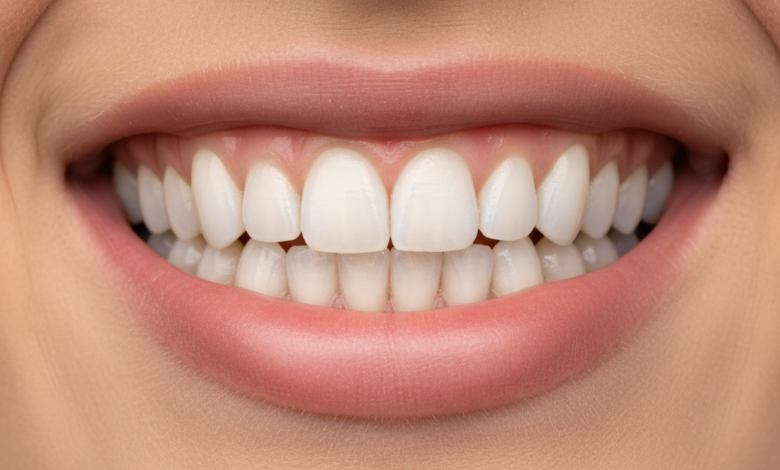
Composite bonding, often referred to as dental bonding or resin bonding, is a cosmetic dental treatment used to repair decayed, chipped, fractured, or discolored teeth. It involves applying a tooth-colored composite resin material to the tooth, which is then sculpted, molded, and polished to restore its natural appearance. This resin, a durable plastic material combined with fine glass particles, is designed to seamlessly blend with your natural teeth, creating a virtually undetectable repair or enhancement. The procedure is renowned for its ability to correct various dental imperfections, from closing small gaps between teeth to altering the shape and size of teeth, thereby improving overall smile aesthetics. Its popularity stems from being a conservative approach, requiring minimal to no removal of healthy tooth structure, unlike more extensive procedures such as dental crowns or veneers.
The Composite Bonding Procedure Explained
The process of composite bonding is typically straightforward and can often be completed in a single dental visit, depending on the number of teeth being treated and the complexity of the case. It begins with a thorough consultation where the dentist assesses your oral health, discusses your aesthetic goals, and determines if composite bonding is the most suitable option for you.
First, the dentist selects a composite resin shade that closely matches your existing teeth, ensuring a natural-looking result. In many cases, anesthesia is not required unless the bonding is being used to fill a decayed tooth, or the chip is very close to the nerve.
Next, the surface of the tooth is subtly prepared. This usually involves lightly etching the enamel with a phosphoric acid gel. This etching creates microscopic pores on the tooth surface, which helps the bonding material adhere securely. A bonding liquid, a conditioning agent, is then applied to the etched tooth.
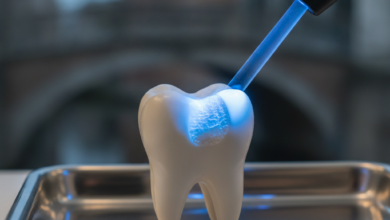
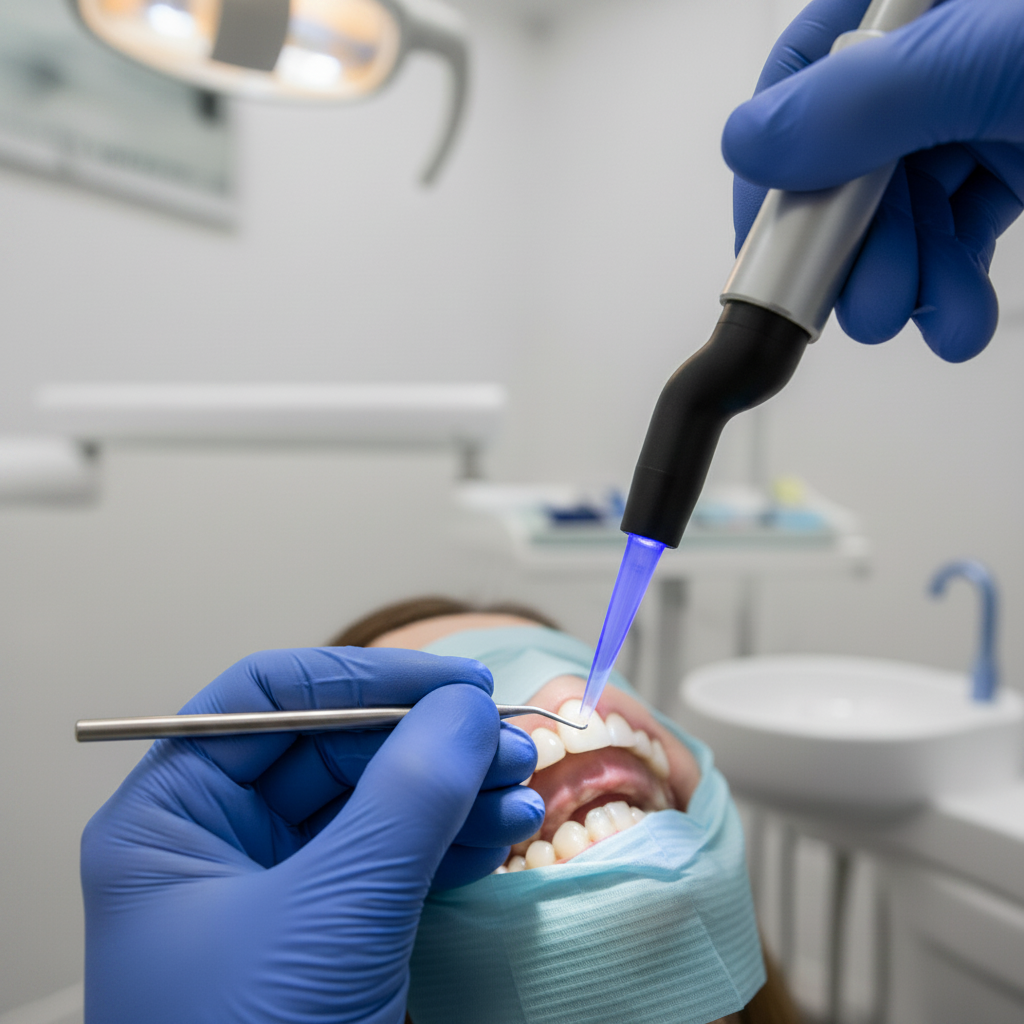
The tooth-colored composite resin is then carefully applied to the tooth in layers. The dentist meticulously sculpts and shapes the resin to achieve the desired contour and appearance. After each layer of resin is applied and shaped, a high-intensity curing light is used to harden or “cure” the material. This light causes the resin to solidify rapidly, bonding it firmly to the tooth structure.
Once the final layer is cured, the dentist will make any necessary final adjustments, trim excess material, and then meticulously polish the bonded tooth. This polishing step is crucial for ensuring the bonded surface is smooth and matches the natural sheen of your other teeth, preventing staining and promoting oral hygiene.
Understanding Composite Bonding Cost Belgium
When considering composite bonding in Belgium, understanding the financial aspect is crucial for budgeting and planning. The cost of composite bonding in Belgium can vary significantly based on several factors. While it is generally a more affordable cosmetic solution compared to alternatives like porcelain veneers or crowns, the final price depends heavily on the individual’s specific needs and the chosen dental practice. Unlike some other European countries, dental costs in Belgium can be influenced by regional differences, the experience of the dentist, and the specific technology utilized by the clinic. Patients should anticipate a range rather than a fixed price, with detailed discussions with their chosen dentist providing the most accurate estimate.
Key Factors Influencing the Cost of Composite Bonding in Belgium
- Dentist’s Expertise and Location: Highly experienced dentists or specialists in cosmetic dentistry may charge more for their services due to their advanced skills and reputation. Furthermore, clinics located in major metropolitan areas like Brussels or Antwerp often have higher overheads, which can translate to higher treatment costs compared to practices in smaller towns or rural areas.
- Number of Teeth Treated: This is perhaps the most straightforward factor. The more teeth that require bonding, the higher the total cost will be. Each tooth is typically priced individually, though some clinics may offer a package deal for multiple teeth.
- Complexity of the Case: A simple chip repair on one tooth will naturally be less expensive than extensive reshaping or closing large gaps across several teeth. The degree of work required to achieve the desired aesthetic outcome, including the amount of resin used and the sculpting time, directly impacts the price.
- Materials Used: While all composite resins are tooth-colored, there are variations in quality, durability, and aesthetic properties. Using premium, high-esthetic composite materials designed for exceptional longevity and natural appearance might incur a higher cost.
- Additional Procedures: Sometimes, preparatory treatments are necessary before bonding. This could include professional teeth cleaning, minor adjustments to adjacent teeth, or even preliminary teeth whitening to ensure the bonding matches a brighter smile. These additional services will add to the overall expense.
- Clinic Reputation and Technology: Dental clinics that invest in state-of-the-art equipment, advanced imaging technology, and comfortable patient amenities may reflect these investments in their pricing. Such clinics often offer a more refined patient experience and potentially more precise results.
Here is an estimated cost breakdown for composite bonding in Belgium, based on typical scenarios:
| Factor | Description | Estimated Cost Impact (Belgium) |
|---|---|---|
| Single Tooth (Minor Repair) | Small chip or gap, simple aesthetic enhancement. | €150 – €350 |
| Single Tooth (Moderate Repair) | Larger chip, significant shape alteration. | €300 – €500 |
| Multiple Teeth (2-4 Teeth) | Multiple small repairs or minor enhancements across several teeth. | €600 – €1,800 |
| Full Smile Makeover (6-8 Teeth) | Comprehensive aesthetic improvement involving front teeth. | €1,800 – €4,000+ |
| Complexity/Additional Procedures | Severe staining, extensive reshaping, pre-bonding treatments. | Varies significantly, can add 10-50% per tooth |
These figures are approximate and intended as a guide. It is essential to obtain a personalized quote from a qualified dental professional.
Advantages of Choosing Composite Bonding
Composite bonding offers numerous benefits that make it an attractive option for many patients seeking cosmetic dental improvements. Its main advantages include:
- Aesthetics: The procedure delivers highly natural-looking results, as the composite resin can be perfectly matched to the shade and translucency of your existing teeth.
- Minimally Invasive: Unlike veneers or crowns, composite bonding typically requires minimal to no removal of healthy tooth enamel, preserving more of your natural tooth structure.
- Speed: Most bonding procedures can be completed in a single dental visit, making it a convenient option for those with busy schedules.
- Reversibility: Because little to no tooth structure is removed, composite bonding is considered a reversible procedure, offering flexibility for future dental decisions.
- Cost-Effectiveness: Generally, composite bonding is a more affordable cosmetic solution compared to porcelain veneers or dental crowns, making smile enhancement accessible to a wider range of budgets.
Longevity and Maintenance of Composite Bonding
The longevity of composite bonding typically ranges from 5 to 10 years, though with excellent oral hygiene and proper care, it can last even longer. Several factors influence its durability, including your biting habits, diet, and commitment to oral care. To maximize the lifespan of your bonded teeth, it is crucial to follow specific maintenance guidelines. This includes brushing twice daily with a non-abrasive toothpaste, flossing regularly, and using an antimicrobial mouthwash. Avoiding habits such as biting on hard objects (like ice, pens, or fingernails) and refraining from opening packages with your teeth can prevent chipping or damage. Additionally, limiting the consumption of highly staining foods and beverages, such as coffee, tea, red wine, and berries, can help maintain the brightness of the composite resin. Regular dental check-ups and professional cleanings are also vital to monitor the condition of the bonding and address any issues promptly.
Comparing Composite Bonding to Other Cosmetic Procedures
While composite bonding is an excellent choice for many, it’s important to understand how it compares to other popular cosmetic dental treatments, such as veneers and crowns. Each procedure has its unique advantages and is suitable for different needs.
Dental veneers, particularly porcelain veneers, offer superior durability and stain resistance compared to composite bonding. They are custom-made shells that cover the entire front surface of the tooth, providing a dramatic aesthetic transformation. However, veneers typically involve more significant enamel removal and are a more expensive and irreversible option. For those interested in exploring the costs of alternative cosmetic solutions, you can learn more about how much veneers cost in Belgium.
Dental crowns, on the other hand, are caps that cover the entire tooth and are primarily used to restore severely damaged or weakened teeth, offering both aesthetic improvement and structural integrity. They are the most invasive and generally the most expensive of these three options.
Composite bonding shines as the least invasive and most cost-effective option for minor to moderate cosmetic corrections. It’s ideal for repairing small chips, closing minor gaps, or improving the shape of individual teeth without significant tooth alteration.
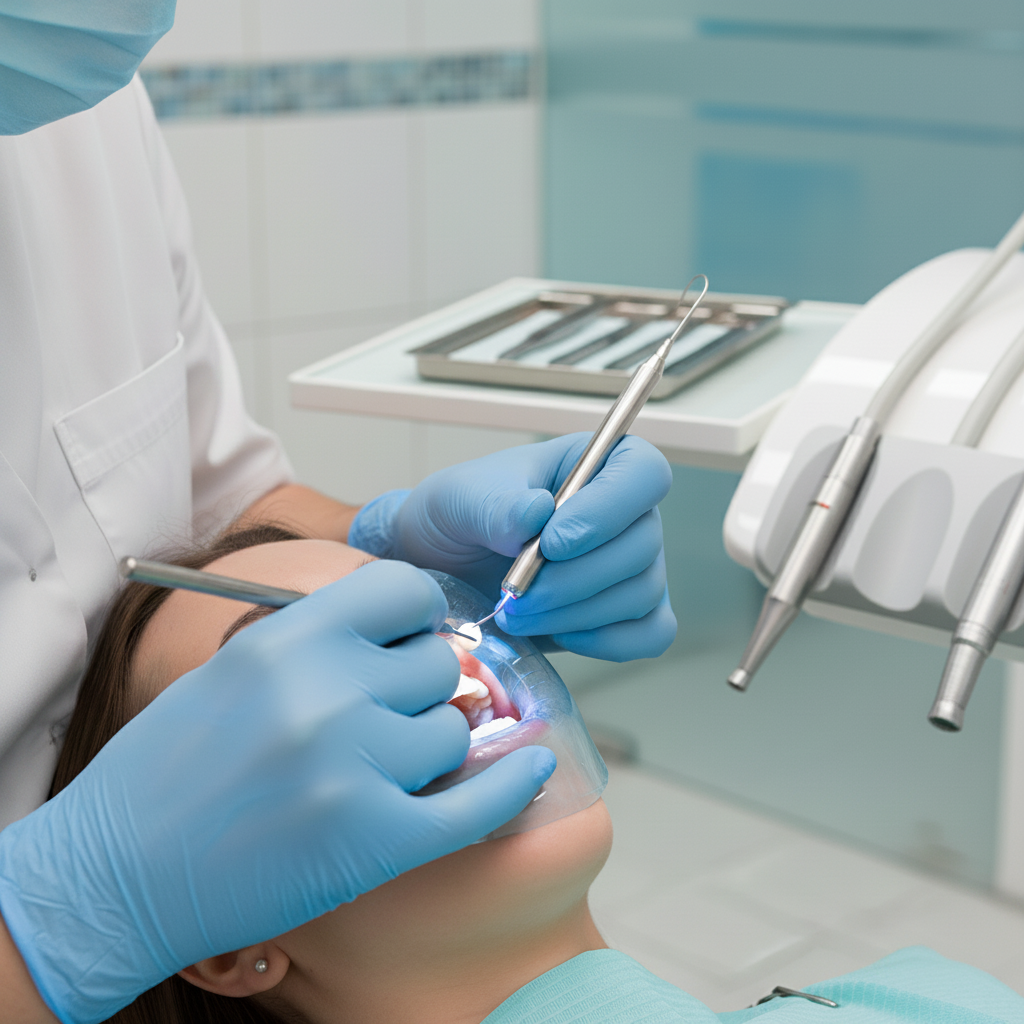
The decision to undergo composite bonding in Belgium ultimately depends on your individual dental needs, aesthetic goals, and budget. For those looking for a quick, relatively affordable, and minimally invasive way to enhance their smile, composite bonding presents an excellent investment. The ability to correct various imperfections, from discolorations to minor chips and gaps, can significantly boost self-confidence and improve overall oral aesthetics.
Choosing a qualified and experienced dentist in Belgium is crucial for achieving optimal results. A skilled professional will not only ensure the procedure is performed to the highest standards but also guide you through the process, providing a transparent breakdown of costs and post-treatment care instructions. By carefully weighing the benefits against the investment, many patients find that composite bonding offers remarkable value for a brighter, more confident smile. For a deeper understanding of the science behind dental bonding, you can refer to sources like Wikipedia on Dental bonding.