Teeth Whitening Belgium – How It Works
A radiant, confident smile is often considered a universal symbol of health and vitality. In today’s aesthetic-conscious world, achieving that perfect smile often involves addressing tooth discoloration, a common concern for many individuals. For residents of Belgium and those considering dental procedures within the region, understanding the intricacies of teeth whitening is paramount. This comprehensive guide will delve into how professional teeth whitening works, the various methods available, what to expect during the process, and how to maintain your dazzling results, positioning you as an informed patient ready to make the best decision for your oral health and aesthetic goals.
Teeth Whitening Belgium – How It Works
Understanding Tooth Discoloration
Before exploring how teeth whitening works, it’s essential to grasp why teeth lose their natural luminosity. Tooth discoloration can be broadly categorized into two types: extrinsic and intrinsic.
- Extrinsic Stains: These stains appear on the outer surface of the tooth enamel. They are typically caused by regular consumption of colored foods and beverages such as coffee, tea, red wine, dark berries, and certain spices. Smoking and chewing tobacco are also significant contributors to extrinsic staining. These superficial stains often respond very well to professional whitening treatments.
- Intrinsic Stains: These stains originate from within the tooth structure, either in the dentin or embedded within the enamel itself. Causes can include exposure to certain medications (like tetracycline antibiotics) during tooth development, excessive fluoride intake (fluorosis), trauma to a tooth, or natural aging, which thins the enamel and allows the yellowish dentin to show through more prominently. While more challenging, many intrinsic stains can still be significantly improved with advanced professional whitening techniques.
Understanding the source of your discoloration helps dental professionals recommend the most effective treatment plan, ensuring that the chosen whitening method is appropriate for your specific needs.
The Science Behind Teeth Whitening Belgium
Teeth whitening primarily relies on the power of bleaching agents, most commonly hydrogen peroxide or carbamide peroxide. These active ingredients penetrate the porous enamel layer of the teeth, reaching the discolored molecules within. Once inside, the peroxide breaks down, releasing oxygen radicals. These oxygen molecules then break the chemical bonds of the chromogens (the colored molecules responsible for stains), effectively neutralizing them. This process makes the stains colorless and less concentrated, resulting in a brighter, whiter appearance of the teeth. It’s important to note that teeth whitening does not change the natural color of your teeth but rather lightens the existing shade by removing stains.
Professional Teeth Whitening: A Detailed Look
Initial Consultation and Assessment
The journey to a brighter smile begins with a thorough dental examination. This crucial step ensures that your teeth and gums are healthy enough for whitening. The dentist will:
- Assess Oral Health: Check for cavities, gum disease, or any existing restorations (fillings, crowns, veneers). Whitening agents can irritate sensitive areas or cause uneven results on existing dental work.
- Identify Stain Types: Determine if stains are extrinsic or intrinsic, and discuss the likely outcomes based on the cause and severity of discoloration.
- Discuss Expectations: Explain what results are realistically achievable, considering your natural tooth shade and the type of discoloration.
- Shade Matching: Use a dental shade guide to record your current tooth color, providing a benchmark to measure improvement.
This initial assessment is vital for personalizing your treatment plan and ensuring your safety and satisfaction.
The In-Office Whitening Procedure
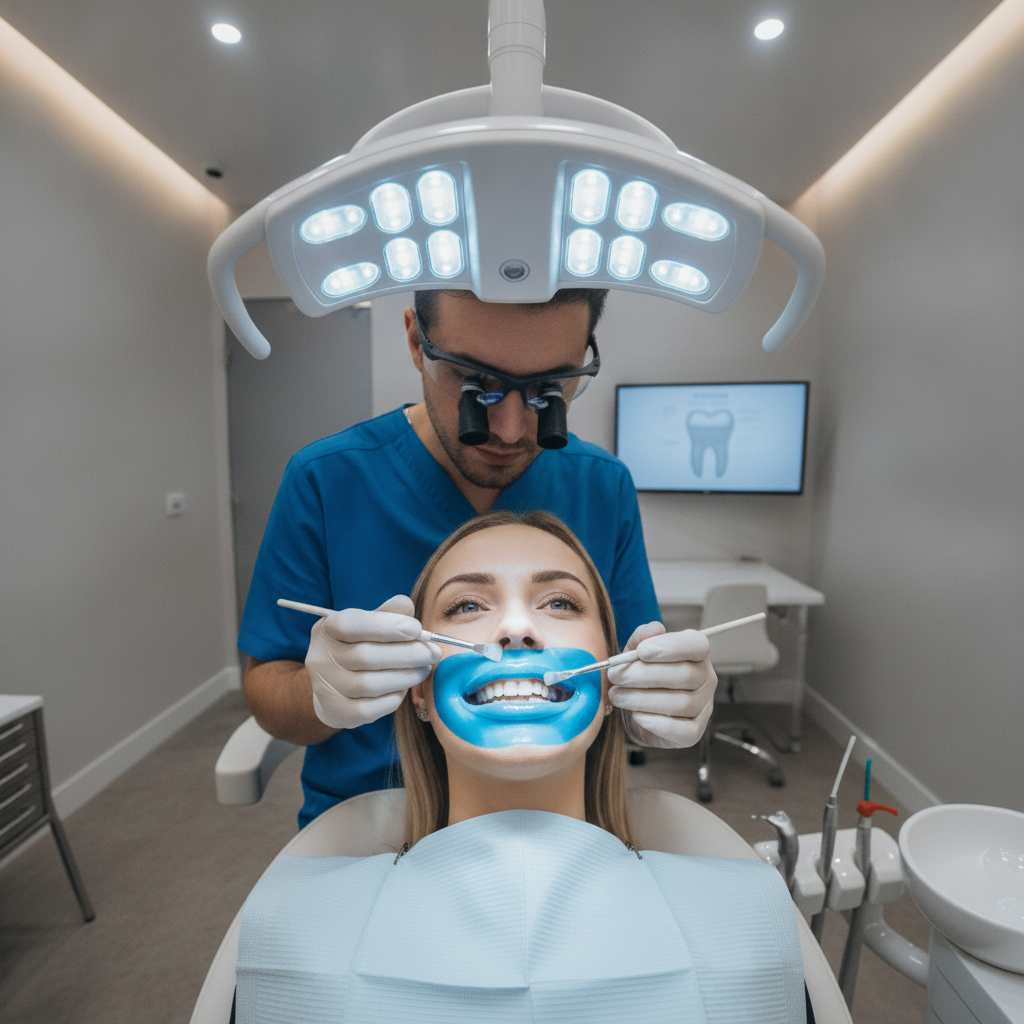
In-office whitening, often referred to as “power bleaching,” offers the most dramatic results in a single visit. The process typically involves:
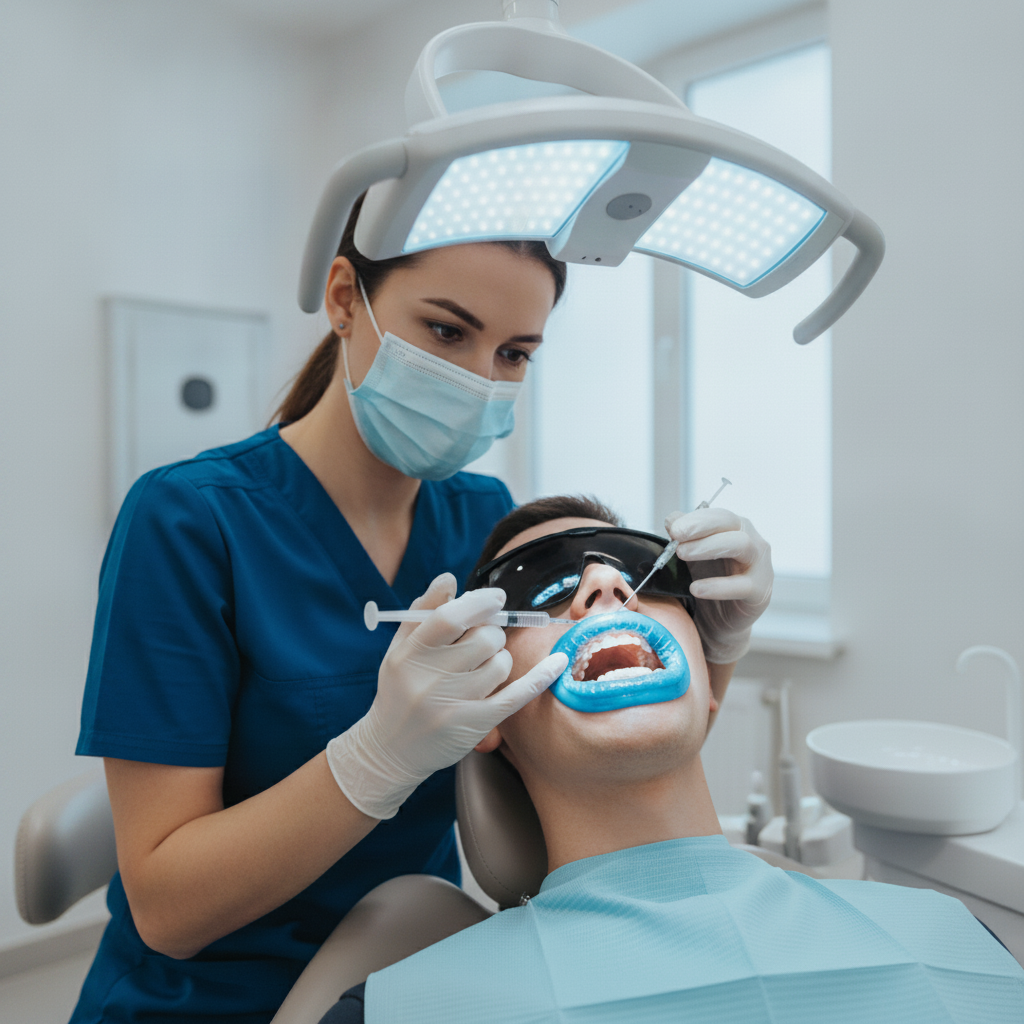
- Preparation: Your dentist will begin by placing a protective barrier over your gums and lips to shield them from the whitening gel. A retractor may be used to keep your mouth open and teeth exposed.
- Application of Whitening Gel: A high-concentration peroxide gel (often 25-40% hydrogen peroxide) is carefully applied to the front surfaces of your teeth.
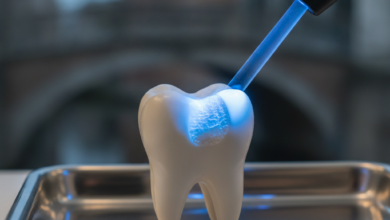
- Light Activation (Optional but Common): Many in-office systems use a special light, such as an LED or laser, to activate the whitening gel. This light energy helps accelerate the chemical reaction, breaking down the peroxide more rapidly and enhancing stain removal.
- Multiple Applications: The gel is usually applied in several 15-20 minute intervals. Between applications, the old gel is suctioned off, and fresh gel is applied. This cycle is repeated until the desired shade is achieved, typically within 45 to 90 minutes.
- Post-Treatment: After the final application, the protective barriers are removed, and your mouth is rinsed. Your dentist will assess the new shade of your teeth and provide aftercare instructions.
The immediate results are often stunning, with teeth appearing several shades lighter directly after the procedure.
Professional Take-Home Whitening Kits
For those who prefer a more gradual approach or to supplement in-office treatments, dentists can provide professional take-home whitening kits. These kits typically include:
- Custom-Fitted Trays: Impressions of your teeth are taken to create clear, custom-made trays that fit perfectly over your teeth. This snug fit ensures the whitening gel is evenly distributed and stays in contact with your teeth while minimizing gum irritation.
- Professional-Grade Whitening Gel: The kit includes a lower concentration of carbamide peroxide or hydrogen peroxide gel (typically 10-22%).
- Detailed Instructions: Your dentist will provide precise instructions on how to load the trays with the gel and how long to wear them each day, usually for a few hours or overnight, for a period of 1 to 2 weeks.
While results are more gradual, professional take-home kits offer excellent efficacy and flexibility, allowing you to whiten your teeth at your convenience under professional guidance.
Benefits of Professional Teeth Whitening
Choosing professional teeth whitening offers distinct advantages over over-the-counter options:
- Superior Results: Higher concentrations of active ingredients and professional application techniques lead to more significant and even whitening.
- Safety: A dentist monitors the entire process, protecting your gums and soft tissues from irritation and ensuring the treatment is appropriate for your oral health.
- Speed: In-office treatments provide dramatic results in a single appointment, making them ideal for individuals seeking quick improvements.
- Customization: Treatment plans are tailored to your specific needs, stain type, and desired outcome, maximizing effectiveness and minimizing sensitivity.
- Reduced Sensitivity: Dentists can apply desensitizing agents before, during, or after treatment to manage potential tooth sensitivity, a common side effect.
These benefits ensure a more comfortable, effective, and predictable whitening experience.
Maintaining Your Brighter Smile
Achieving a brilliant white smile is only half the battle; maintaining it requires ongoing effort. Here are key tips for prolonging your whitening results:
- Oral Hygiene: Continue practicing excellent oral hygiene, including brushing twice daily, flossing once a day, and regular dental check-ups and cleanings.
- Dietary Choices: Minimize consumption of stain-causing foods and beverages. If you do indulge, consider rinsing your mouth with water immediately afterward or using a straw for colored drinks.
- Avoid Tobacco: Smoking and chewing tobacco are major culprits for tooth discoloration. Quitting these habits will significantly help maintain your white smile.
- Touch-Up Treatments: Periodic touch-up treatments with a professional take-home kit can help combat new stains and keep your smile bright. Your dentist can advise on the frequency of these touch-ups.
- Regular Dental Visits: Schedule routine dental appointments for professional cleanings. These appointments remove plaque and surface stains before they can accumulate and penetrate the enamel.
By following these guidelines, you can significantly extend the longevity of your teeth whitening results and continue to enjoy a vibrant smile. For individuals considering broader cosmetic improvements, various cosmetic dentistry options exist to achieve comprehensive aesthetic goals.
Safety and Potential Side Effects
Professional teeth whitening is generally considered safe when performed under the supervision of a qualified dentist. However, some temporary side effects can occur:
- Tooth Sensitivity: This is the most common side effect. Teeth may become temporarily sensitive to hot or cold temperatures after whitening. This sensitivity usually subsides within a few days. Your dentist may recommend desensitizing toothpaste or gels to alleviate discomfort.
- Gum Irritation: If the whitening gel comes into contact with the gums, it can cause temporary irritation or blanching (whitening) of the gum tissue. This typically resolves quickly. Professional application techniques and protective barriers are designed to prevent this.
Any persistent or severe side effects should be reported to your dentist immediately. It is crucial to follow all post-treatment instructions provided by your dental professional to minimize risks and ensure optimal healing. For further scientific understanding of teeth whitening efficacy and safety, authoritative sources provide extensive research and data on the subject of tooth bleaching. For example, research on dental bleaching agents can be found on PubMed, highlighting the scientific basis and clinical outcomes.
Teeth Whitening Considerations for Patients in Belgium
For patients residing in Belgium, accessing high-quality dental care, including teeth whitening services, is straightforward. Belgium boasts a strong healthcare system with well-trained dental professionals. When seeking teeth whitening in Belgium, patients should:
- Research Clinics: Look for dental clinics with good reputations, qualified dentists, and positive patient reviews specializing in cosmetic dentistry.
- Consult a Professional: Always undergo an initial consultation to discuss your specific needs, assess your oral health, and understand the recommended procedure and expected outcomes.
- Understand Costs: Inquire about the full cost of the treatment, including any follow-up appointments or touch-up kits, to avoid surprises.
- Verify Credentials: Ensure your dentist is licensed and experienced in performing teeth whitening procedures.
Whether you opt for an in-office power bleaching session or a professional take-home kit, prioritizing professional guidance ensures the best possible results and safeguards your oral health.
Teeth whitening offers a transformative solution for those seeking to enhance their smile and boost their self-confidence. By understanding how the process works, from the initial consultation to aftercare, individuals can make informed decisions and achieve the bright, healthy smile they desire. With advancements in dental technology and the expertise of dental professionals, a dazzling smile is more accessible than ever before.