Why Cosmetic Dentistry Is Expensive
Why Cosmetic Dentistry Is Expensive is a question many individuals consider when exploring options to enhance their smile. At first glance, the costs associated with cosmetic dental procedures can appear substantial, leading some to question the value of such an investment. However, understanding the intricate factors that contribute to these expenses reveals a comprehensive picture of a highly specialized field dedicated to precision, artistry, and lasting results. This article will delve into the various elements that make cosmetic dentistry a significant, yet often worthwhile, financial commitment, positioning it as an investment in not just aesthetics, but also oral health and overall well-being.
Cosmetic dentistry goes far beyond simple aesthetic improvements; it involves a blend of advanced dental science, intricate artistic skill, and state-of-the-art technology. Unlike general dentistry, which primarily focuses on oral hygiene and disease prevention, cosmetic dentistry aims to correct imperfections such as discoloration, chips, gaps, or misaligned teeth, thereby transforming the appearance of one’s smile. This specialized approach necessitates a deeper level of expertise, more sophisticated materials, and personalized treatment plans, all of which naturally influence the final cost.
Why Cosmetic Dentistry Is Expensive
Understanding the core reasons behind the cost of cosmetic dentistry is crucial for anyone considering these procedures. The expense is not arbitrary but rather a reflection of several interconnected factors, each playing a vital role in delivering high-quality, long-lasting, and aesthetically pleasing outcomes.
Specialist Expertise and Training
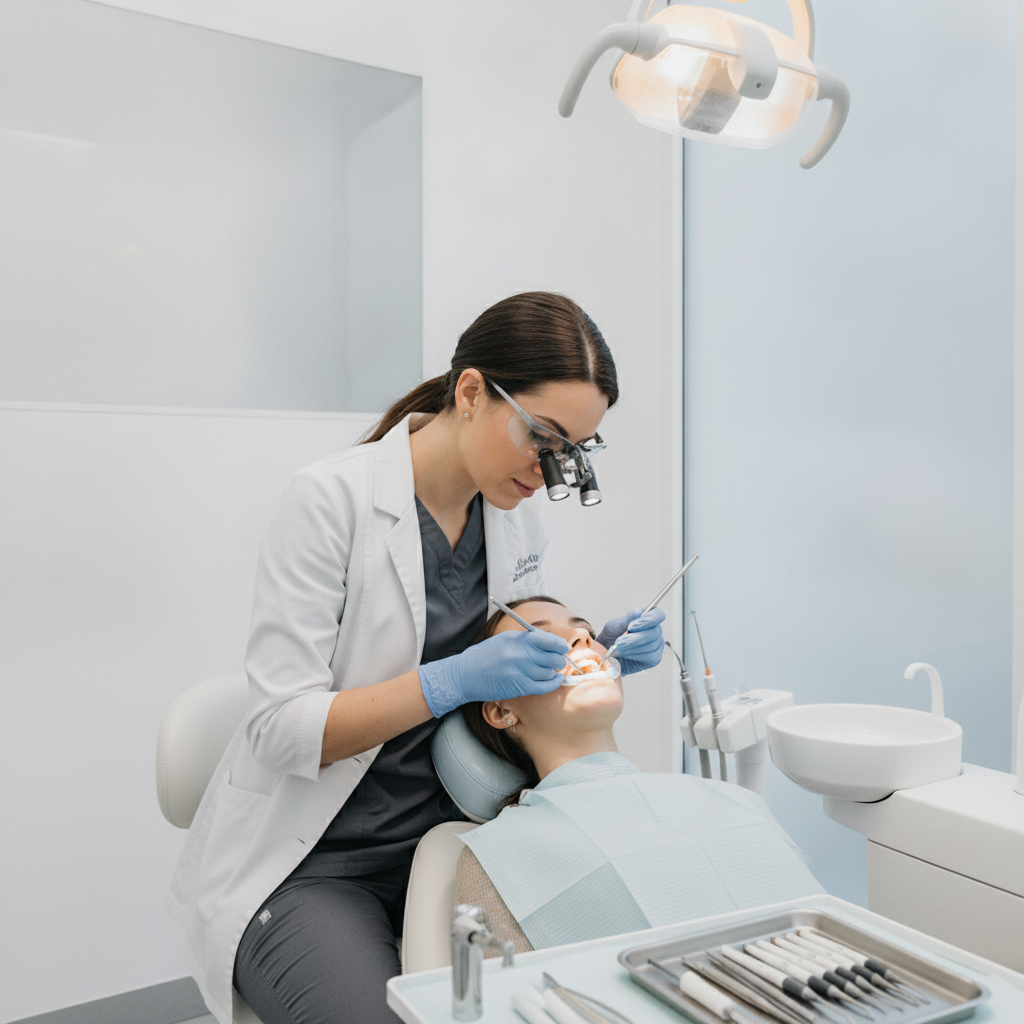
One of the primary drivers of cost in cosmetic dentistry is the extensive training and specialized expertise required by the dental professionals. Cosmetic dentists undergo years of education beyond general dental school, often pursuing advanced certifications, workshops, and continuing education in specific aesthetic techniques. This specialized training equips them with an intricate understanding of facial aesthetics, occlusion (how teeth fit together), and the various materials and technologies involved in creating a harmonious smile. Their experience in designing and executing complex smile makeovers, veneers, bonding, and other procedures is a highly valued asset, ensuring precision, natural-looking results, and minimizing potential complications. The artistic eye, coupled with scientific knowledge, truly differentiates a cosmetic dentist.
Advanced Technology and Equipment
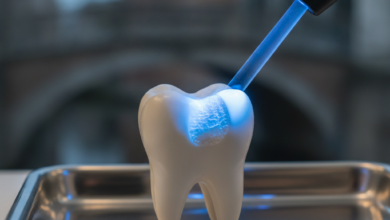
Modern cosmetic dentistry relies heavily on cutting-edge technology to achieve optimal results. This includes, but is not limited to, digital smile design software, intraoral scanners for highly accurate impressions, 3D imaging (CBCT scans), advanced laser technology for gum contouring, and sophisticated CAD/CAM (Computer-Aided Design/Computer-Aided Manufacturing) systems for fabricating restorations like veneers and crowns in-house. Investing in and maintaining such advanced equipment is a significant overhead for dental clinics. These technologies enhance diagnostic accuracy, treatment predictability, patient comfort, and the overall quality and speed of procedures, but they come with a substantial price tag that is factored into treatment costs.
High-Quality Materials and Laboratory Work
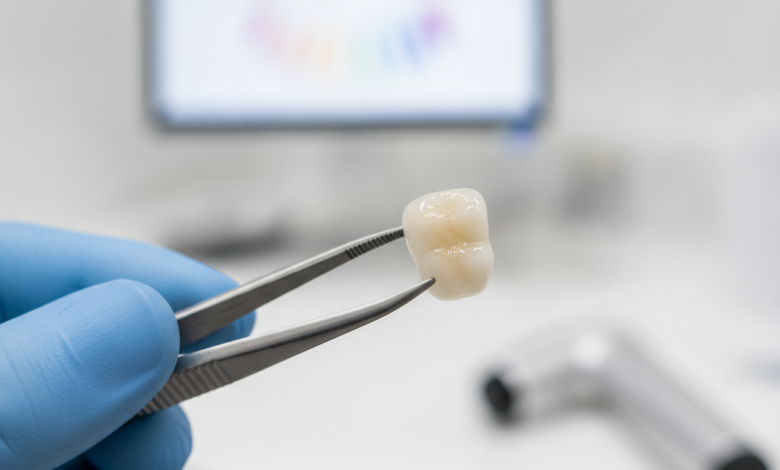
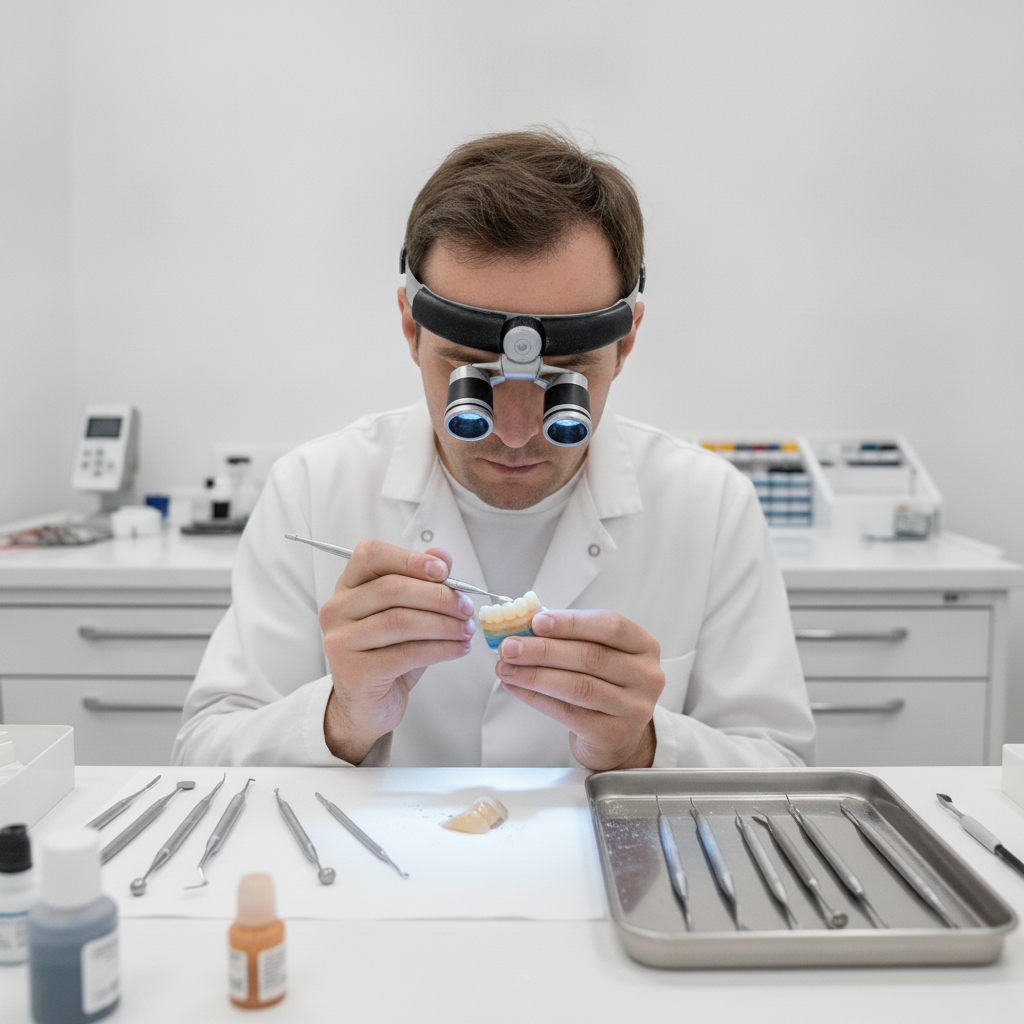
The materials used in cosmetic dentistry are superior in quality, durability, and aesthetic properties compared to those in general restorative dentistry. For instance, porcelain veneers and crowns are crafted from highly durable, biocompatible ceramic materials that mimic the translucency and color of natural teeth. Composite resins used for bonding are chosen for their shade matching capabilities and longevity. These materials are often more expensive to source and require meticulous handling. Furthermore, many cosmetic restorations, especially veneers and crowns, are custom-fabricated in specialized dental laboratories by highly skilled ceramists. This artisan-level laboratory work involves significant time, precision, and expertise to create restorations that perfectly fit, function, and match the patient’s desired aesthetic, adding another layer to the overall cost.
Customization and Personalization
Cosmetic dentistry is inherently a highly personalized service. No two smiles are identical, and each treatment plan is meticulously tailored to the individual patient’s unique facial features, desires, and oral health needs. This level of customization involves extensive consultations, detailed planning sessions, diagnostic wax-ups or mock-ups, and multiple adjustments during the treatment process. Creating a natural-looking smile that complements a patient’s personality and facial structure requires significant chair time and a bespoke approach, which differs greatly from standardized medical procedures and contributes to the higher expense.
Time and Labor Investment
Cosmetic dental procedures, particularly comprehensive smile makeovers, are often complex and time-consuming. They may involve multiple appointments, each requiring significant chair time from the dentist and their highly trained support staff. For example, placing multiple veneers involves preparation, impression-taking, temporary placement, and then final bonding, often spread across several visits. The intricate nature of these procedures demands meticulous attention to detail and precision, which translates into increased labor costs and operational time within the clinic.
Breakdown of Common Cosmetic Procedures and Their Cost Implications
To further illustrate `Why Cosmetic Dentistry Is Expensive`, let’s briefly touch upon common procedures and their specific cost factors:
- Veneers: Thin, custom-made shells bonded to the front surface of teeth. Their cost reflects the high-quality porcelain material, the ceramist’s artistry, precision preparation, and the dentist’s skill in bonding and shaping.
- Dental Implants: While often considered restorative, implants have significant cosmetic benefits, replacing missing teeth with natural-looking solutions. Their cost involves surgical expertise, the implant fixture itself (titanium), abutment, crown, and often bone grafting or sinus lifts if needed.
- Teeth Whitening: While less expensive than other options, professional whitening uses medical-grade solutions and involves in-office application or custom trays, ensuring safety and effectiveness beyond over-the-counter kits.
- Composite Bonding: Using tooth-colored resin to correct minor imperfections. Costs are lower than veneers but still reflect the dentist’s artistic skill in sculpting and polishing the resin to blend seamlessly with natural teeth.
- Smile Makeovers: This is a combination of several procedures (veneers, crowns, implants, whitening, gum contouring) tailored to an individual. The comprehensive nature, requiring coordination of multiple treatments, drives the overall investment significantly higher.
The Value Proposition: Why the Investment Pays Off
Despite the initial cost, many patients find that cosmetic dentistry offers an unparalleled return on investment.
- Improved Oral Health: Correcting misaligned bites, filling gaps, or restoring damaged teeth can improve chewing function, prevent further wear and tear, and make oral hygiene easier, leading to better long-term oral health.
- Enhanced Self-Confidence and Quality of Life: A beautiful smile can dramatically boost self-esteem, impacting social interactions, professional opportunities, and overall happiness. The psychological benefits are often cited as the most significant return.
- Durability and Longevity: When performed correctly with high-quality materials, cosmetic dental restorations are designed to be durable and long-lasting, often for 10-15 years or more with proper care, reducing the need for frequent replacements.
Is Cosmetic Dentistry Worth the Investment?
For individuals seeking to address dental imperfections and achieve a radiant, confident smile, cosmetic dentistry represents a valuable investment. The costs reflect the confluence of specialized training, advanced technology, premium materials, and the highly personalized nature of the procedures. When considering these aspects, the expense transforms from a mere price tag into a representation of the quality, artistry, and long-term benefits that transform smiles and lives. Patients should always consult with qualified cosmetic dentists to discuss their goals, treatment options, and a detailed cost breakdown, ensuring they make an informed decision about their oral health and aesthetic aspirations. For those exploring their options in cosmetic dentistry, further insights into various procedures and what they entail can be found on specialized resources. For example, understanding more about the broad category of cosmetic dentistry can be beneficial here.
| Cost Factor | Description | Impact on Overall Price |
|---|---|---|
| Specialist Expertise | Years of advanced training, experience, and artistic skill of the cosmetic dentist. | Significant: Reflects the high-level knowledge and precision required for complex aesthetic cases. |
| Advanced Technology | Investment in digital smile design, 3D imaging, intraoral scanners, and CAD/CAM systems. | Moderate to High: Enhances accuracy, efficiency, and patient experience, contributing to clinic overhead. |
| High-Quality Materials | Use of premium, durable, and aesthetically superior porcelain, composite resins, and implant components. | Moderate: Superior materials cost more to source and process, ensuring longevity and natural appearance. |
| Custom Lab Work | Artisan-level fabrication of veneers, crowns, and other restorations by skilled dental ceramists. | Significant: Labor-intensive, precision work tailored to each patient’s unique anatomy and aesthetic goals. |
| Personalization | Tailoring treatment plans to individual needs, involving extensive consultations and meticulous planning. | Moderate: Requires additional chair time and detailed attention to ensure bespoke, natural results. |
| Procedure Complexity | The number and intricacy of procedures required, including preparation, placement, and adjustments. | Variable: More complex cases involving multiple teeth or procedures will naturally incur higher costs. |
| Geographic Location | Operating costs and market rates vary significantly by city or country. | Variable: High-cost-of-living areas generally have higher dental fees. |
Ultimately, the decision to invest in cosmetic dentistry is a personal one, weighing the financial outlay against the profound and lasting benefits. It’s a pursuit of excellence in oral health and aesthetics, aimed at restoring not just the appearance of teeth, but also the confidence and quality of life for the individual. The commitment from both the patient and the dental team ensures that the results are transformative and enduring, underscoring that the perceived expense is, in reality, a justified investment in oneself. Further reading on the historical and scientific aspects of this field can provide additional context to its value and development over time. For more information on the broader field of dentistry, one might consult resources such as Wikipedia’s page on Dentistry.