Composite Bonding Belgium – Procedure Guide
Composite bonding has emerged as a popular cosmetic dental procedure, offering a versatile and effective solution for addressing a variety of aesthetic dental concerns. For individuals in Belgium seeking to enhance their smile, understanding the intricacies of this treatment is crucial. This guide delves into the procedure, its benefits, who makes a suitable candidate, and what to expect during and after the process, providing a comprehensive overview for those considering this transformative dental intervention.
Composite Bonding Belgium – Procedure Guide
What is Composite Bonding?
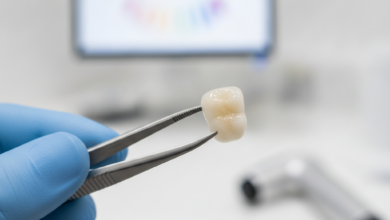
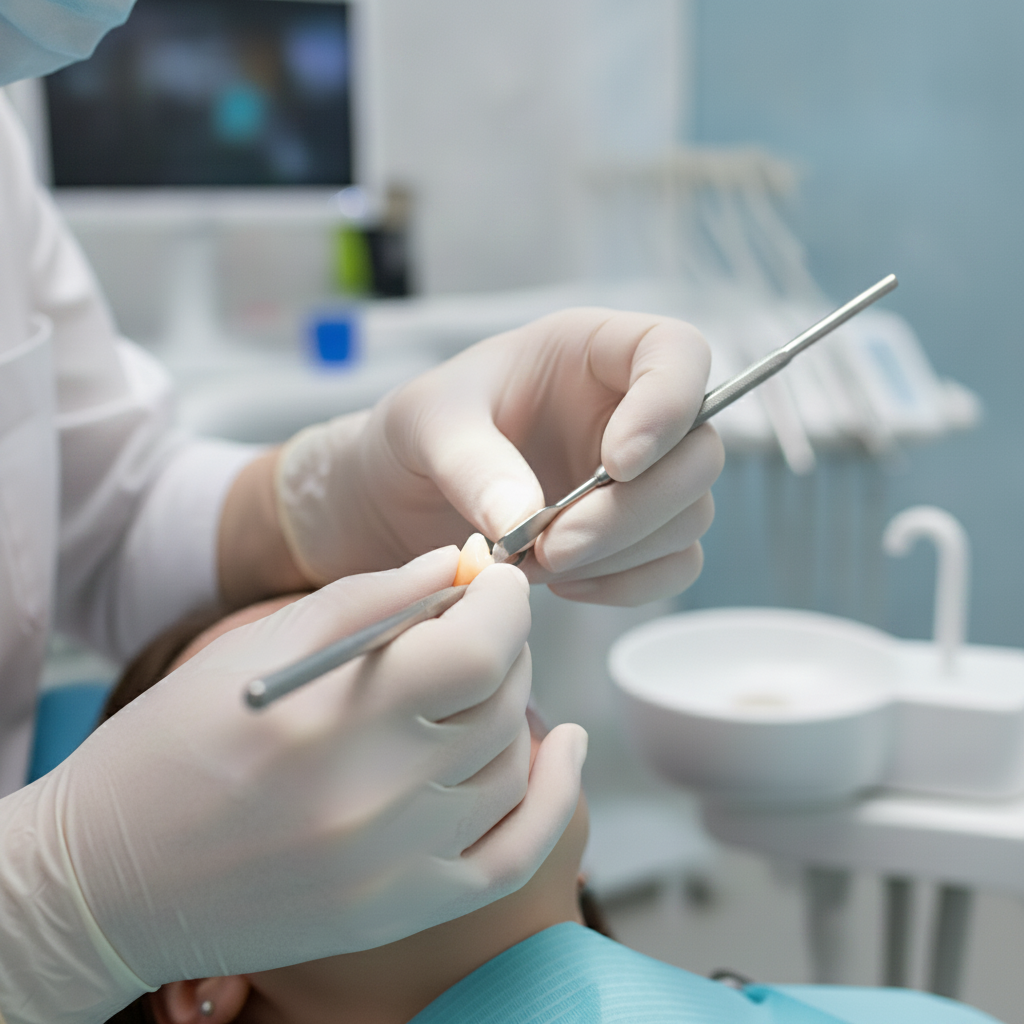
Composite bonding, also known as dental bonding or resin bonding, is a cosmetic dental procedure that involves applying a tooth-colored composite resin material to the surface of a tooth. This resin, a durable plastic material, is carefully sculpted by the dentist to achieve the desired shape and size, addressing imperfections such as chips, cracks, gaps, discoloration, or irregularities in tooth shape. Once applied, the material is hardened with a special light, chemically bonding it to the tooth structure. The procedure is highly regarded for its ability to create natural-looking results, seamlessly blending with the patient’s existing teeth. It’s a less invasive alternative to other cosmetic treatments, often requiring minimal to no removal of healthy tooth enamel.
The Science Behind Composite Resin
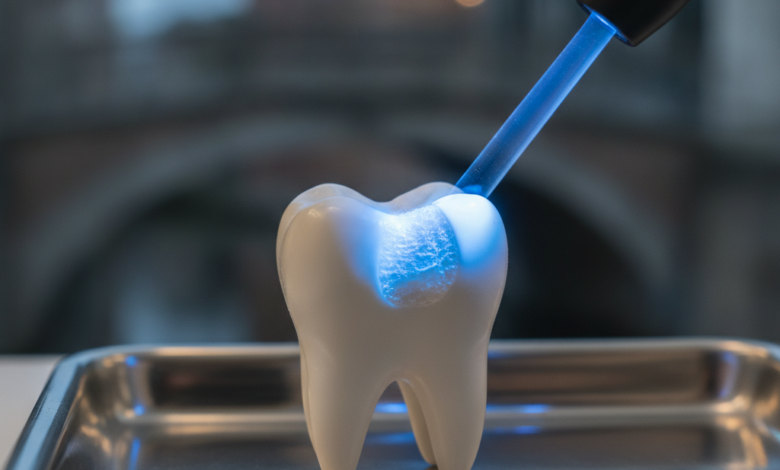
The effectiveness of composite bonding lies in the advanced materials used. Modern dental composites are typically made from a mixture of plastic and finely ground glass particles. This combination provides both strength and aesthetic appeal. The resin is pliable when first applied, allowing the dentist to mold and shape it precisely. A blue light, usually an LED or halogen light, is then used to initiate a photopolymerization process, causing the resin to harden rapidly. This process creates a strong bond with the etched tooth surface, ensuring durability. Furthermore, ongoing advancements in composite technology have led to materials with improved resistance to staining and wear, making it a long-lasting solution for many patients.
Benefits of Composite Bonding
Composite bonding offers several compelling advantages, making it an attractive option for many patients looking to improve their smile without extensive dental work.
Aesthetic Enhancement
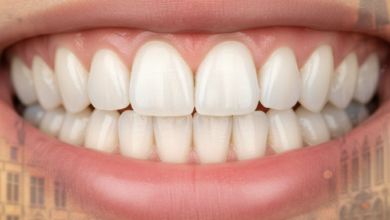
The primary benefit of composite bonding is its ability to dramatically improve the appearance of teeth. It can effectively mask discolorations that are resistant to whitening treatments, close minor gaps between teeth, repair chipped or cracked enamel, and even alter the shape or length of teeth for a more uniform and harmonious smile. The resin can be matched precisely to the natural shade of your teeth, ensuring a virtually undetectable repair or enhancement.
Minimally Invasive
Unlike procedures such as veneers or crowns, composite bonding typically requires very little, if any, removal of healthy tooth structure. This conservative approach preserves the integrity of your natural teeth, which is a significant advantage for patients who prefer less aggressive dental interventions. In many cases, anesthesia is not even necessary, depending on the extent of the bonding.
Cost-Effectiveness
Compared to other cosmetic dental treatments like porcelain veneers or crowns, composite bonding is generally more affordable. This makes it an accessible option for a wider range of patients seeking cosmetic improvements to their smile. While longevity may differ from more expensive options, its lower initial cost provides an excellent entry point into cosmetic dentistry.
Who is a Candidate for Composite Bonding?
Composite bonding is suitable for individuals with minor to moderate aesthetic dental concerns. Ideal candidates often have:
- Small chips or cracks in their front teeth.
- Minor gaps or spaces between teeth.
- Discolored teeth that haven’t responded well to professional whitening.
- Irregularly shaped or slightly misaligned teeth.
- Exposed tooth roots due to gum recession (to protect the root surface).
It’s important to note that composite bonding is generally not recommended for extensive structural damage, severe misalignment, or for individuals with habits like teeth grinding (bruxism) without addressing the underlying issue, as this can compromise the bonding’s longevity. A thorough consultation with a dental professional is essential to determine if composite bonding is the right treatment for your specific needs.
Composite Bonding Belgium: The Procedure Guide
The composite bonding procedure is typically completed in a single dental visit, making it a convenient option for many patients. The process is meticulous and requires the dentist’s artistic skill and precision.
Step-by-Step Breakdown
| Step | Description | Approximate Duration |
|---|---|---|
| 1. Consultation & Shade Matching | Your dentist will examine your teeth, discuss your aesthetic goals, and determine if bonding is suitable. The perfect shade of composite resin will be selected to match your natural teeth. | 15-30 minutes |
| 2. Tooth Preparation | The tooth surface will be lightly etched with a conditioning liquid. This roughens the enamel slightly, creating a stronger surface for the bonding material to adhere to. Anesthesia is usually not required unless a cavity needs filling or the chip is near the nerve. | 5-10 minutes |
| 3. Application of Bonding Agent | A liquid bonding agent is applied to the etched tooth. This acts as a primer, enhancing the adhesion of the composite resin to the tooth enamel. | 1-2 minutes |
| 4. Resin Application & Sculpting | The tooth-colored composite resin is applied directly to the tooth. The dentist carefully molds and sculpts the resin to achieve the desired shape, correcting imperfections and blending it seamlessly with the natural tooth contours. | 15-30 minutes per tooth |
| 5. Curing | A special blue light is used to harden the composite resin almost instantly. This process cures the material, making it strong and durable. | Less than 1 minute per layer |
| 6. Shaping & Polishing | Once hardened, the dentist further refines the bonded area, trimming and shaping it to ensure it fits perfectly with your bite and achieves a natural appearance. The surface is then polished to a smooth, lustrous finish that mimics natural tooth enamel. | 10-20 minutes |
Aftercare and Longevity
After your composite bonding procedure, immediate aftercare is minimal. You can typically eat and drink normally once the anesthesia (if used) wears off. However, it’s advisable to avoid highly pigmented foods and beverages (like coffee, tea, red wine) for the first 24-48 hours to prevent initial staining, as the resin is slightly more susceptible to discoloration during this period.
Maintaining Your Bonded Teeth
- Practice excellent oral hygiene: Brush twice daily with a non-abrasive toothpaste and floss daily to prevent plaque buildup and maintain gum health.
- Avoid staining agents: Limit consumption of coffee, tea, red wine, and tobacco products, which can stain the composite resin over time.
- Be mindful of hard foods: Avoid biting on hard objects like ice, nuts, or hard candies, as these can chip or damage the bonding.
- Address teeth grinding: If you grind or clench your teeth (bruxism), your dentist might recommend a night guard to protect your bonded teeth.
- Regular dental check-ups: Schedule routine check-ups and cleanings with your dentist in Belgium. They can monitor the condition of your bonding and perform any necessary touch-ups or re-polishing.
Composite Bonding vs. Dental Veneers
While both composite bonding and dental veneers are excellent options for cosmetic smile enhancement, they differ significantly in material, procedure, cost, and longevity. Composite bonding uses a resin directly applied and sculpted on the tooth, making it a more conservative and often less expensive option. Veneers, particularly porcelain veneers, are custom-made shells typically fabricated in a dental lab and then bonded to the front surface of the teeth. Veneers generally offer superior durability, stain resistance, and a more uniform aesthetic over a longer period (10-15 years or more), but they usually require more significant enamel reduction and are a more permanent commitment. The choice between the two often depends on the extent of the cosmetic issue, budget, and desired longevity. For those interested in exploring further alternatives, understanding veneers in Belgium: procedure and results can provide valuable insights.
Choosing the Right Dentist in Belgium
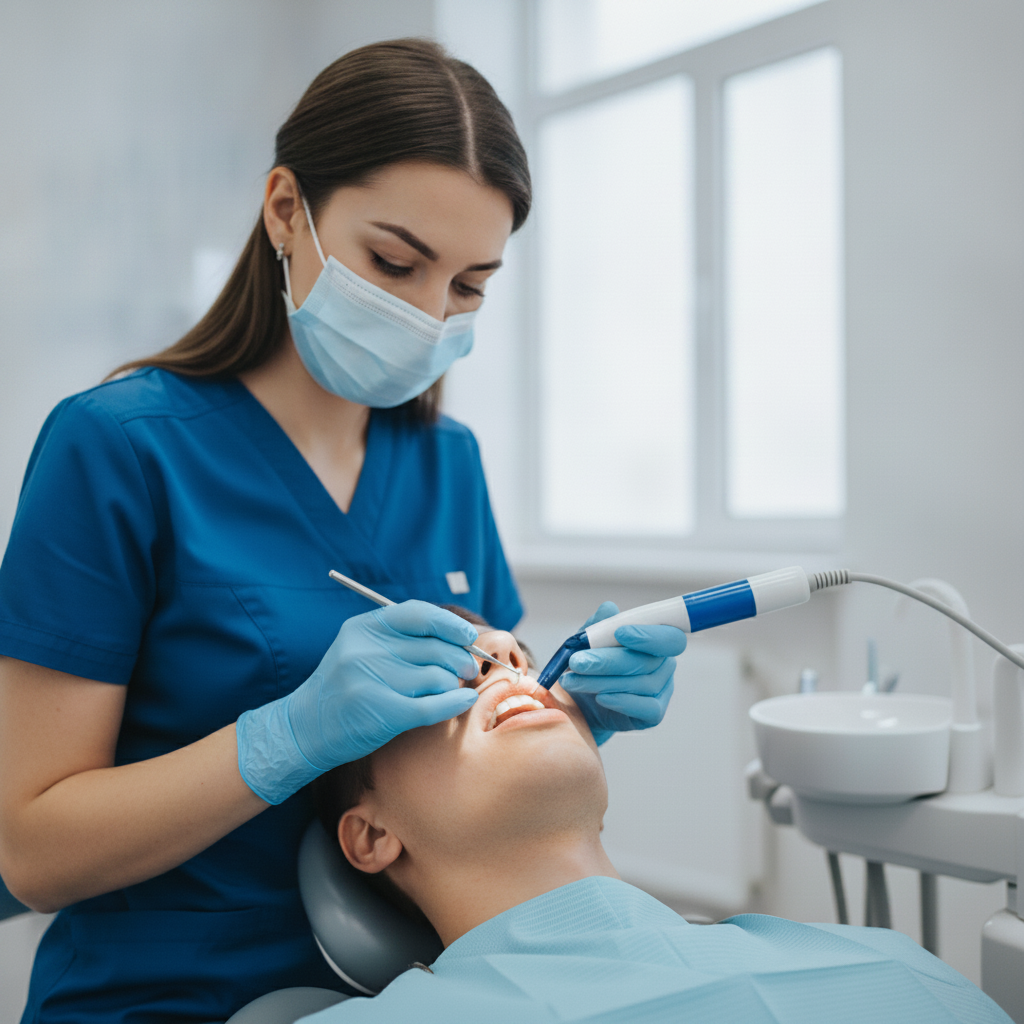
Selecting an experienced and reputable dentist for your composite bonding procedure is paramount to achieving satisfactory results. Look for a dentist with a strong portfolio of cosmetic cases, who prioritizes patient comfort and uses high-quality materials. Discuss your expectations thoroughly during the consultation, and ensure you understand the proposed treatment plan, costs, and expected outcomes. A skilled dentist will not only perform the procedure competently but also provide comprehensive aftercare advice to help you maintain your beautiful new smile. For those considering dental treatment abroad, it’s also worth researching clinics that specialize in cosmetic dentistry and offer transparent information about their procedures and patient care. The Fédération Dentaire Internationale provides guidelines for dental practices globally, emphasizing high standards of care. FDI World Dental Federation.