How to Reduce Dental Costs in Belgium

How to Reduce Dental Costs in Belgium
Navigating the landscape of healthcare expenses can be a daunting task, and dental care in Belgium is no exception. With some of the highest dental costs in Europe, many residents find themselves seeking effective strategies to manage these significant expenses without compromising their oral health. Understanding the intricacies of the Belgian dental system, exploring various insurance options, and considering alternative treatment avenues are all crucial steps towards making dental care more affordable and accessible. This comprehensive guide aims to equip you with the knowledge and tools necessary to significantly reduce your dental expenditures while ensuring you receive high-quality treatment.
Understanding the Belgian Dental Healthcare System
Before diving into cost-saving strategies, it’s essential to grasp how dental care is structured and reimbursed in Belgium. The system primarily relies on compulsory health insurance, known as “mutuelle” (French) or “ziekenfonds” (Dutch), which provides a baseline level of coverage. However, for many dental procedures, this coverage is often limited, leaving patients responsible for a substantial portion of the cost, referred to as the “remgeld” or co-payment.
Dentists in Belgium operate under one of two statuses: “conventioned” (geconventioneerd) or “non-conventioned” (niet-geconventioneerd). Conventioned dentists adhere to fixed rates agreed upon with the health insurance funds, meaning they cannot charge more than the official tariffs. This ensures greater cost predictability for patients. Non-conventioned dentists, on the other hand, are free to set their own fees, which can often be significantly higher than the official rates, leading to unexpected costs. It is always advisable to inquire about your dentist’s convention status and fee structure before commencing any treatment. Transparency around dental costs remains a challenge, as specific price lists are not always readily available, making it crucial for patients to actively request detailed quotes.
Preventative Care: Your First Line of Defense
The adage “prevention is better than cure” holds immense truth when it comes to dental health and managing costs. Investing in consistent preventative care can drastically reduce the likelihood of developing more serious, and expensive, dental problems down the line.
Regular check-ups and professional cleanings, typically recommended twice a year, allow dentists to identify and address minor issues before they escalate. Catching a small cavity early, for instance, can lead to a simple filling, which is far less costly than a root canal or tooth extraction necessitated by a neglected decay. Good daily oral hygiene practices, including brushing twice a day with fluoride toothpaste, flossing daily, and using mouthwash, play a fundamental role in preventing plaque buildup, gum disease, and tooth decay. Furthermore, a balanced diet low in sugars and acidic foods can protect your tooth enamel and reduce your risk of cavities. By prioritizing preventative measures, you are not only safeguarding your smile but also making a substantial long-term saving.
Leveraging Dental Insurance and Supplementary Plans
While compulsory health insurance offers some reimbursement, it often falls short for more complex or cosmetic procedures. This is where supplementary dental insurance plans become invaluable. In Belgium, several private insurers and independent health insurance funds offer additional dental coverage, each with varying levels of benefits, waiting periods, and premiums.
For example, popular options like Dentalia Plus (from Partenamut), DKV, or other specific plans from various mutuelles, can cover a much larger percentage of costs for treatments such as orthodontics, periodontics, crowns, bridges, and even implants. However, it’s crucial to carefully review the terms and conditions of these supplementary plans. Many come with waiting periods (e.g., six months to a year) before certain treatments are covered, and some have annual limits on reimbursement. Understanding what your plan covers, its limitations, and any associated co-payments will help you make informed decisions and budget accordingly. Choosing the right supplementary insurance tailored to your family’s needs can be a game-changer in making extensive dental work in Belgium more financially viable. For a broader understanding of what typically falls under insurance, you might find more general information on healthcare in Belgium useful.
Exploring Dental Tourism: A Cost-Effective Alternative
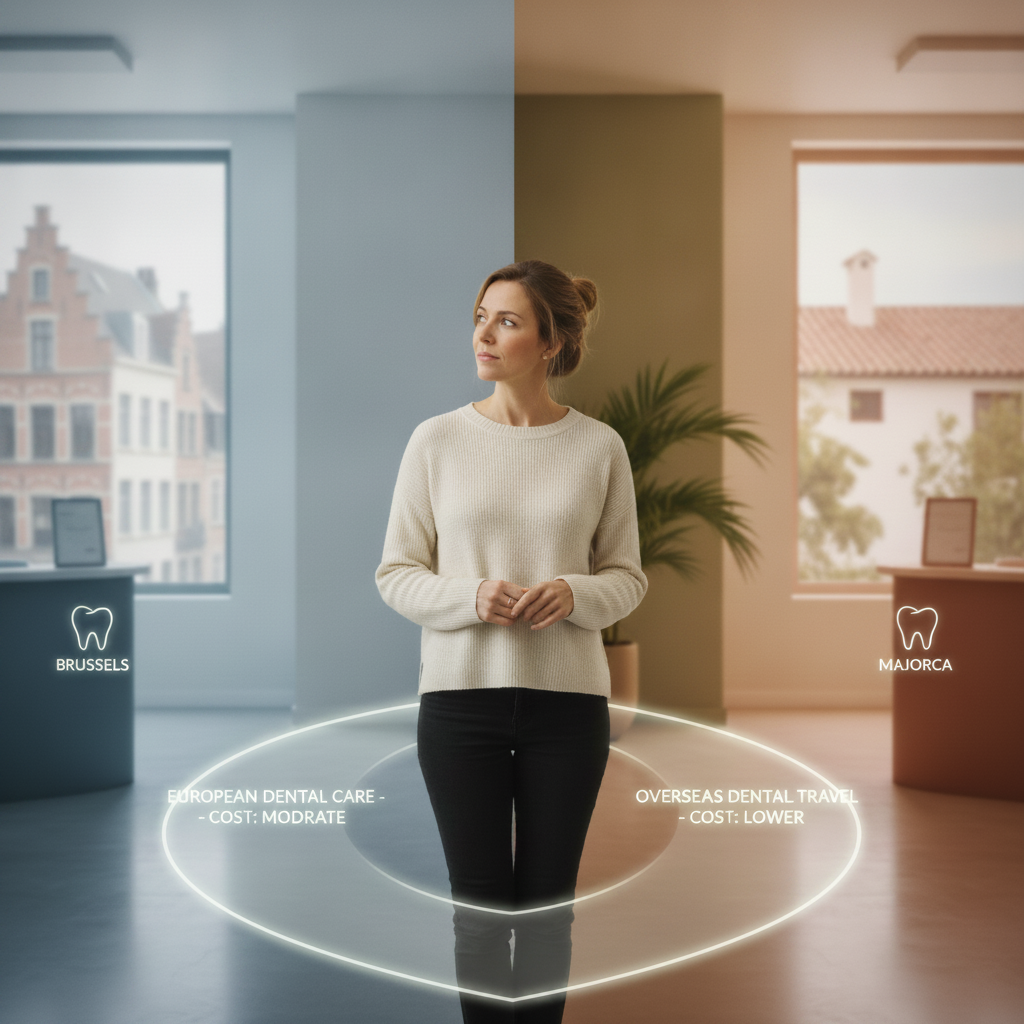
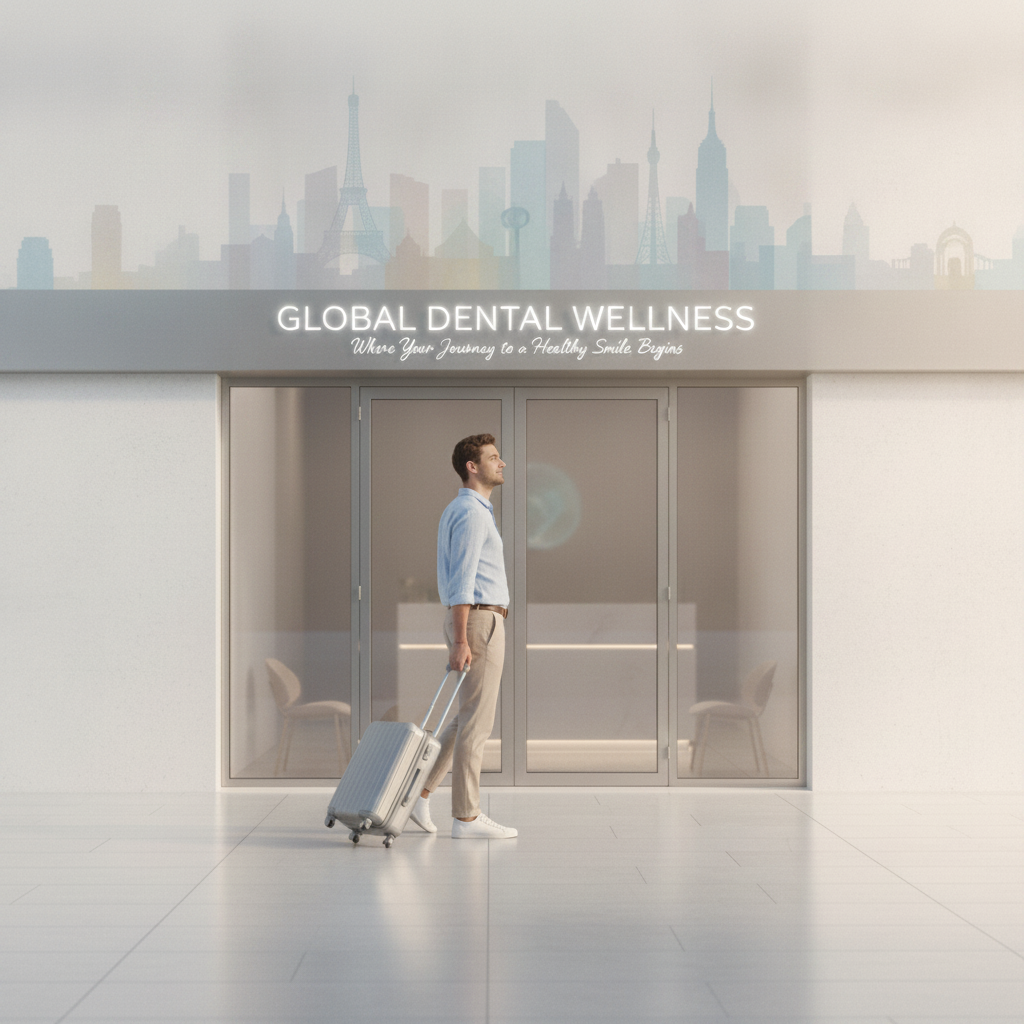
For procedures involving significant costs, such as dental implants, crowns, veneers, or full mouth restorations, many Belgian residents are increasingly turning to dental tourism. Countries like Turkey have emerged as leading destinations for high-quality, yet significantly more affordable, dental care. The disparity in labor and operational costs between Belgium and these countries allows clinics abroad to offer identical or superior quality treatments at a fraction of the price.
Patients considering dental tourism often find that even when factoring in travel, accommodation, and post-treatment care, the overall cost remains considerably lower than receiving the same treatment in Belgium. For instance, a single dental implant procedure in a country like Turkey could be thousands of euros cheaper than in Belgium. The quality of care in reputable international clinics is often on par with, or even exceeds, Western European standards, with state-of-the-art facilities, highly qualified dentists, and advanced technologies. However, due diligence is paramount. Thorough research into the chosen clinic, dentist qualifications, patient reviews, and the specifics of the treatment plan is crucial. Ensuring clear communication, understanding the aftercare process, and considering potential follow-up visits are all important aspects to evaluate before committing to dental treatment abroad. The growing trend of dental tourism highlights a significant opportunity for individuals seeking to make major dental procedures more accessible financially.
Reduce Dental Costs in Belgium: A Comparison of Options
When considering dental work, especially larger procedures, it’s beneficial to weigh the costs and benefits of different approaches. This comparison helps illustrate why many patients opt for alternative solutions to manage their budget while ensuring quality care. Understanding average prices is a critical first step in making an informed decision, and you can explore more about this topic by visiting average dentist prices in Belgium 2026 update.
A direct comparison of specific procedures can often reveal the potential savings available through dental tourism versus seeking treatment solely within Belgium. While exact costs can vary based on clinic, materials, and complexity, the general trend shows a significant difference.
| Procedure | Average Cost in Belgium (EUR) | Average Cost in Dental Tourism Destination (e.g., Turkey) (EUR) | Potential Savings (EUR) |
|---|---|---|---|
| Dental Implant (single) | €1,800 – €3,000 | €400 – €800 | €1,400 – €2,200 |
| Dental Crown (Porcelain Fused to Metal) | €600 – €1,000 | €150 – €350 | €450 – €650 |
| Zirconia Crown | €800 – €1,500 | €250 – €500 | €550 – €1,000 |
| Porcelain Veneer (single) | €800 – €1,200 | €200 – €450 | €600 – €750 |
| Full Mouth Restoration (e.g., 8 implants + 16 crowns) | €20,000 – €40,000+ | €7,000 – €15,000 | €13,000 – €25,000+ |
*Note: These figures are approximate averages and can vary significantly based on individual cases, clinic prestige, material quality, and any additional procedures required.*
Smart Strategies for Local Care in Belgium
Even if dental tourism isn’t an option, there are still intelligent ways to manage costs within Belgium:
* **Get Multiple Quotes:** Don’t settle for the first estimate. Contact several dentists, especially conventioned ones, to compare treatment plans and prices for the same procedure. This can reveal significant variations and help you find a more affordable option.
* **Discuss Payment Plans:** Some Belgian dental clinics offer installment plans or flexible payment options for expensive treatments. It’s always worth discussing this possibility with your dentist’s administrative staff.
* **Consider Public Dental Clinics or University Hospitals:** In some instances, public dental clinics or university hospitals (often associated with dental schools) might offer treatments at slightly lower rates, performed by supervised students or residents. While potentially slower, this can be a viable option for those on a tight budget.
* **Understand Your Treatment Plan Fully:** Before agreeing to any procedure, ensure you have a complete and detailed breakdown of the treatment plan, including all associated costs, materials used, and expected reimbursement from your mutuelle or supplementary insurance. Ask questions until you fully understand what you are paying for and why. Avoiding hidden costs is paramount to effective budget management.
Managing dental costs in Belgium requires a proactive and informed approach. By understanding the local healthcare system, prioritizing preventative care, strategically utilizing dental insurance, and being open to the possibilities of dental tourism, individuals can significantly mitigate the financial burden of maintaining optimal oral health. Making informed choices empowers patients to access necessary treatments without compromising their financial well-being.