How Many Visits Are Needed for Implants Belgium?
How Many Visits Are Needed for Implants Belgium? Dental implants represent a significant advancement in restorative dentistry, offering a durable and aesthetically pleasing solution for missing teeth. For individuals considering this treatment in Belgium, one of the most common questions revolves around the required time commitment and the number of clinic visits. While the exact number can vary based on individual circumstances, treatment complexity, and clinic protocols, understanding the general phases of dental implant therapy provides a clear picture of what to expect. This guide aims to demystify the process, outlining the typical stages and the factors that influence your visit schedule, ensuring you are well-prepared for your journey towards a restored smile.
Understanding the Multi-Stage Dental Implant Journey
The process of receiving dental implants is generally a multi-stage procedure, meticulously planned to ensure optimal integration with the jawbone and a long-lasting result. Each stage is crucial for the success and stability of the implant. While the core steps remain consistent, the number of appointments within each phase can differ.
Initial Planning, Surgical Placement, and Healing Phases
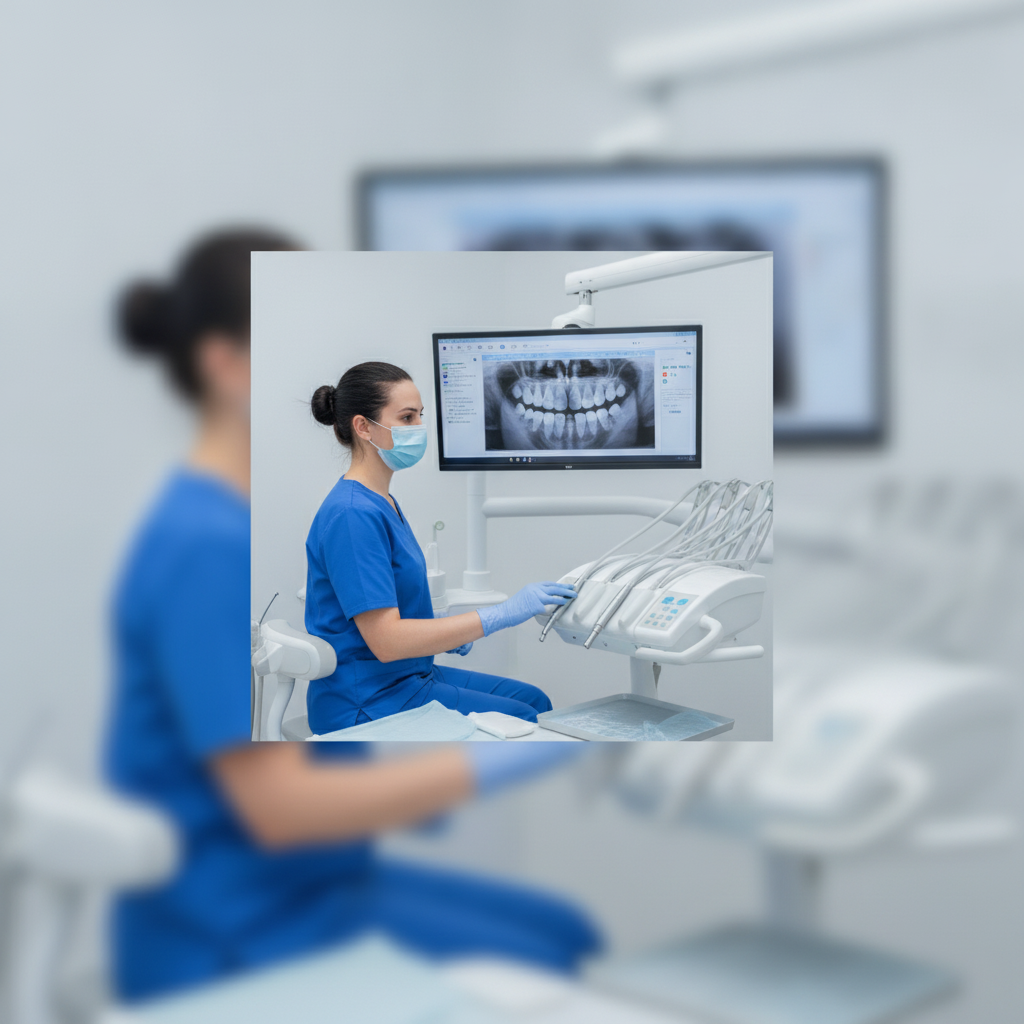
The journey begins with a comprehensive assessment. During the **initial consultation and planning phase**, which typically involves one to two visits, your dental professional will conduct a thorough examination of your oral health. This includes taking X-rays, 3D CT scans, and possibly impressions of your mouth. These diagnostic tools are essential for evaluating bone density, identifying anatomical structures to avoid, and precisely planning the implant placement. Your medical history will be reviewed, and a personalized treatment plan will be developed, discussing all available options and addressing any concerns. This foundational step ensures that the implant procedure is tailored to your unique needs and offers the highest chance of success.
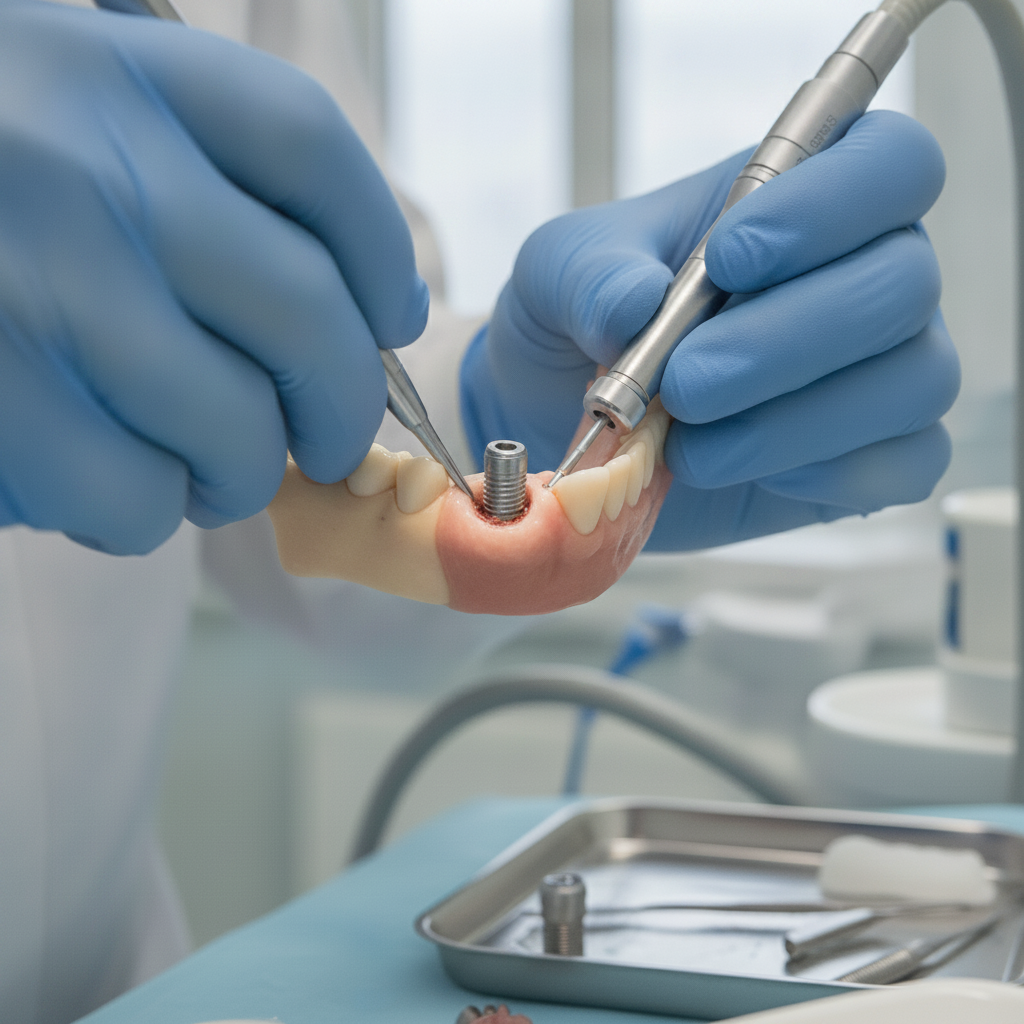
Following the planning, the next critical step is the **surgical placement of the implant**. This usually requires a single visit. During this procedure, a small incision is made in the gum tissue, and a tiny hole is carefully drilled into the jawbone at the predetermined site. The titanium implant post is then gently inserted into the bone. The gum tissue is typically sutured closed over the implant, or in some cases, a healing abutment may be attached immediately. The procedure is performed under local anesthesia, and sedation options might be available for patient comfort. Post-operative instructions will be provided to manage any discomfort and ensure proper initial healing.
After the surgical placement, the most crucial phase begins: **osseointegration**. This is the biological process where the titanium implant fuses directly with the surrounding jawbone. This period is vital for establishing a stable and strong foundation for the future tooth restoration. Osseointegration typically takes anywhere from three to six months, depending on individual healing capabilities and bone quality. During this time, patients generally have no specific clinic visits solely for osseointegration, though some clinics may schedule a quick check-up to monitor healing progress. The success of this phase is paramount for the long-term stability and functionality of the dental implant.
Abutment and Final Restoration Stages
Once osseointegration is complete and the implant has securely integrated with the bone, the next step is the **abutment attachment**. This typically requires one visit. The abutment is a small connector piece that screws into the top of the implant and extends through the gum line, acting as the foundation for the prosthetic tooth. In some cases, if a healing abutment was placed during the initial surgery, this step might be combined or simplified. Following abutment placement, impressions of your mouth are taken. These impressions are then sent to a dental laboratory where your custom crown, bridge, or denture will be meticulously fabricated to match your natural teeth in shape, size, and color.
The final and often most anticipated stage is the **final restoration placement**, which usually involves one to two visits. During these appointments, the custom-made crown, bridge, or denture is carefully fitted onto the abutment. The dentist will check for proper bite alignment, comfort, and aesthetics, making any necessary adjustments to ensure a perfect fit and a natural-looking result. Once all adjustments are complete and both you and your dentist are satisfied, the final restoration is permanently cemented or screwed into place. With the new restoration, your dental implant treatment is functionally complete, offering a stable and aesthetically pleasing solution for missing teeth.
How Many Visits Are Needed for Implants Belgium? Deconstructing the Treatment Timeline
The journey to a fully restored smile with dental implants, while immensely rewarding, requires a series of carefully planned visits. As detailed above, the process is sequential, with each step building upon the success of the last. A typical, uncomplicated dental implant procedure in Belgium might involve a total of approximately 5 to 7 visits spread over several months. This number provides a general guideline, but it’s important to remember that personalized treatment plans can slightly adjust this figure.
| Stage of Dental Implant Treatment | Typical Number of Visits | Key Activities and Duration |
|---|---|---|
| Initial Consultation & Planning | 1-2 Visits | Comprehensive oral examination, X-rays/CT scans, treatment planning, medical history review. |
| Surgical Implant Placement | 1 Visit | Placement of the titanium implant post into the jawbone. (Approx. 1-2 hours) |
| Osseointegration (Healing Period) | 0-1 Visit | Implant fuses with jawbone. (Typical duration: 3-6 months) |
| Abutment Placement | 1 Visit | Attachment of the connector piece; taking impressions for final restoration. |
| Final Restoration Placement | 1-2 Visits | Fitting and permanent placement of the custom crown, bridge, or denture. |
| Post-Treatment Follow-up | 1+ Visits | Regular checks to ensure implant health and proper oral hygiene. |
This structured approach ensures that each component of the implant system is properly integrated and stable before moving to the next stage, maximizing the chances of long-term success.
Key Factors Influencing Your Dental Implant Visit Schedule
While the typical timeline offers a good starting point, several factors can influence the exact number of visits and the overall duration of your dental implant treatment.
Individual Patient Factors and Implant Complexity
A patient’s overall oral health, bone density, and general health condition play a significant role. If there is insufficient jawbone to support the implant, procedures like bone grafting or sinus lifts may be necessary. These additional surgical procedures would add extra visits for their placement and subsequent healing periods, naturally extending the overall treatment timeline. The number of implants being placed simultaneously can also influence the complexity of the surgery, though often multiple implants can be placed in a single surgical visit.
Procedural Variations and Potential Complications
Modern dentistry offers various implant techniques, each with a slightly different visit schedule. Traditional implant procedures follow the multi-stage approach detailed above. However, options like immediate load implants (often referred to as “same-day implants”) can significantly reduce the waiting period for a temporary crown, potentially consolidating some steps. While same-day implants can provide a faster aesthetic outcome, the underlying biological process of osseointegration still requires time. You can learn more about this specific option by visiting our page on Same-Day Dental Implants Belgium: Is It Possible?. Furthermore, unforeseen complications such as infection, poor healing, or issues with osseointegration, although rare, can necessitate additional visits for remedial treatment, extending the overall process.
Optimizing the Implant Journey: What to Look for in a Clinic
Choosing the right dental clinic and specialist is paramount for an efficient and successful implant journey. An experienced and well-equipped clinic can streamline the process, potentially minimizing unnecessary visits and ensuring the highest quality of care.
Leveraging Advanced Dental Technology
Modern dental clinics often utilize advanced technologies that can enhance precision, reduce treatment time, and improve patient comfort. Tools like 3D imaging (CBCT scans) allow for highly accurate surgical planning, minimizing surprises during the actual surgery. CAD/CAM technology can be used for in-house fabrication of crowns, potentially reducing the number of impression and fitting appointments. Guided surgery, which uses computer-generated templates, ensures extremely precise implant placement, further contributing to a smooth and predictable procedure. Such technological integration can lead to a more efficient process, although it doesn’t always eliminate the biological need for healing time.
The Importance of Post-Treatment Follow-up and Maintenance
While the primary implant treatment concludes with the placement of your final restoration, the journey doesn’t end there. Regular follow-up appointments and diligent oral hygiene are crucial for the long-term success and longevity of your dental implants. These annual or semi-annual check-ups allow your dentist to monitor the health of your implants, gums, and surrounding bone, ensuring that any potential issues are addressed early. Proper home care, including brushing, flossing, and using interdental brushes, is essential to prevent peri-implantitis and maintain the integrity of your new teeth. It is important to distinguish these routine maintenance visits from the initial treatment visits, as they are part of ongoing oral health care, vital for protecting your investment in your smile. For more scientific details on dental implants, you can refer to resources such as Wikipedia’s entry on Dental Implant.
The number of visits for dental implants in Belgium, while subject to individual variation, follows a well-established, multi-stage protocol designed for optimal outcomes. From the initial diagnostic assessments to the final placement of your prosthetic tooth and subsequent follow-ups, each visit serves a critical purpose in ensuring the longevity and success of your implant. By understanding this structured approach and considering the factors that influence the timeline, patients can embark on their dental implant journey with confidence, knowing what to expect every step of the way towards a fully restored and functional smile.