Is Dental Insurance Worth It in Belgium?

Is Dental Insurance Worth It in Belgium?
Navigating the complexities of healthcare, especially dental care, in a foreign country can be daunting. For residents and expatriates in Belgium, understanding the value proposition of dental insurance is a common concern. While Belgium boasts a comprehensive healthcare system, dental care often presents a unique financial challenge. Basic mandatory health insurance, provided by mutualities (or “mutuelles” in French, “ziekenfondsen” in Dutch), covers only a fraction of dental costs, primarily focusing on preventive care and a limited set of curative treatments. This leaves a significant gap, particularly for more advanced procedures, orthodontics, or cosmetic dentistry, prompting many to question whether supplementary dental insurance is a worthwhile investment. The answer is rarely straightforward, depending heavily on individual dental health, financial situation, and future expectations.

Understanding Dental Care Costs and Reimbursement in Belgium
Belgium’s healthcare system operates on a co-payment model. While mandatory health insurance (mutuality) covers a portion of medical expenses, patients are responsible for the “remgeld” (co-payment) and any fees exceeding the official tariffs. For dental care, this co-payment can be substantial, especially if the dentist charges above the conventional rates (a common practice). For instance, a routine check-up might be largely reimbursed, but complex procedures like root canals, crowns, bridges, or dental implants incur significant out-of-pocket expenses.
Preventive care, such as annual check-ups and cleanings, usually benefits from higher reimbursement rates, encouraging regular visits. However, as the complexity of the treatment increases, the percentage covered by basic mutuality tends to decrease sharply. Orthodontic treatments, often essential for children and teenagers, have specific conditions for reimbursement, including age limits and pre-approval requirements, and even then, a large portion remains at the patient’s expense. For adults, orthodontic care is almost entirely uncovered by basic mutuality. This financial burden is a primary driver behind the consideration of private dental insurance.
What is Supplemental Dental Insurance in Belgium?
Supplemental dental insurance, often called “tandverzekering” or “assurance dentaire,” is designed to bridge the gap left by mandatory health insurance. These policies are offered by various private insurers and some mutualities, providing a higher level of reimbursement and covering a broader range of dental procedures. The primary goal is to reduce the patient’s out-of-pocket expenses for dental treatments that are either poorly covered or not covered at all by the basic mutuality.
Types of Coverage Offered by Belgian Dental Insurance
- Preventive Care: This typically includes annual check-ups, dental cleanings, fluoride treatments, and X-rays. Most plans offer high reimbursement rates, often 80-100%, for these services, sometimes with no co-payment.
- Curative Care: This covers treatments for existing dental problems, such as fillings, extractions, and root canal treatments. Reimbursement rates are generally good, but co-payments might still apply, particularly for more expensive materials like composite fillings in certain areas.
- Periodontics: Treatments for gum diseases, including deep cleanings and minor surgical procedures, are usually covered, though specific conditions might apply.
- Orthodontics: This is a major area of concern for many families. Supplemental insurance can offer better coverage for braces and other orthodontic devices than basic mutuality. However, plans often come with strict waiting periods (e.g., 12-24 months), age limits (e.g., coverage only for minors), and annual maximum reimbursement caps.
- Prosthetics: This category includes crowns, bridges, and dentures. These are often costly, and while supplemental insurance offers reimbursement, it typically comes with substantial co-payments and annual limits. The choice of material (e.g., porcelain vs. composite vs. zirconium) can also influence reimbursement.
- Dental Implants: Implants are among the most expensive dental procedures and are usually the least covered. Even with supplemental insurance, patients can expect significant out-of-pocket expenses. Plans often have strict eligibility criteria, high deductibles, long waiting periods, and low reimbursement percentages (e.g., 50% up to a certain annual cap).
It’s crucial to note that many dental insurance policies come with waiting periods for specific treatments. This means you cannot claim for these treatments immediately after purchasing the policy; you must wait a set period, typically ranging from 3 to 12 months for basic curative care, and up to 24 months for orthodontics or implants. Pre-existing conditions or treatments already underway at the time of subscription are often excluded.
Is Dental Insurance Worth It in Belgium?
The central question remains:
Is Dental Insurance Worth It in Belgium?
The answer is not universal; it depends on several personal circumstances.
Arguments For Dental Insurance
- Financial Protection: For individuals or families anticipating significant dental work (e.g., orthodontics for children, crowns, bridges, or implants for adults), dental insurance can substantially reduce the financial shock. Unexpected emergencies like a chipped tooth or severe toothache can also lead to costly treatments.
- Encourages Preventive Care: Many plans offer high reimbursement for check-ups and cleanings, incentivizing regular visits which are crucial for maintaining good oral health and preventing more serious (and expensive) problems down the line.
- Predictability of Costs: While not fully covering everything, having insurance provides a clearer picture of your potential out-of-pocket expenses, making financial planning easier.
- Access to Better Treatments: With increased coverage, patients might feel more comfortable opting for higher-quality materials or more advanced treatments that would otherwise be prohibitively expensive.
Arguments Against Dental Insurance
- High Premiums: Comprehensive dental insurance plans can be expensive, with monthly or annual premiums adding up quickly. For individuals with excellent dental health, the cost of premiums might outweigh the benefits received.
- Waiting Periods and Exclusions: The presence of waiting periods means immediate needs might not be covered. Exclusions for cosmetic procedures, pre-existing conditions, or treatments already initiated can limit the perceived value.
- Caps and Co-payments: Even with insurance, most plans have annual reimbursement caps and require a co-payment from the patient. For very expensive treatments, the patient’s share can still be considerable.
- Low Return for Healthy Individuals: If you rarely visit the dentist beyond routine check-ups and have no significant dental issues, the amount you pay in premiums might exceed the amount you receive in reimbursements over several years.
The following table provides a general comparison to help evaluate the “worth” of supplemental dental insurance in Belgium:
| Aspect / Procedure | Without Supplemental Dental Insurance (Basic Mutuality Only) | With Supplemental Dental Insurance (Typical Coverage) |
|---|---|---|
| Routine Check-ups & Cleanings | Partially reimbursed (e.g., 75%), small co-payment. | Often fully reimbursed or very high percentage (80-100%). |
| Fillings (Composite) | Partial reimbursement, higher co-pay, especially for visible teeth. | Higher reimbursement (60-80%), lower co-pay. |
| Crowns / Bridges | Very limited reimbursement (e.g., 10-20%), high out-of-pocket. | Significant reimbursement (50-70%), but with co-pays, annual caps, and waiting periods. |
| Orthodontics (Adults) | Almost no reimbursement. | Better coverage (up to 60-75%), but with age limits, long waiting periods (e.g., 12-24 months), and annual caps. |
| Dental Implants | Minimal to no reimbursement, extremely high out-of-pocket costs. | Limited reimbursement (e.g., 20-50%), strict conditions, high co-pays, long waiting periods, and low annual caps. |
| Annual Premiums | Low (only basic mutuality contribution). | Basic mutuality + substantial monthly/annual premiums (can range from €10-€50+ per month depending on age/coverage). |
| Financial Risk for Major Work | High for unexpected or planned major dental issues. | Reduced financial risk, but still some out-of-pocket. |
| Peace of Mind | Low, potential worry about high dental bills. | Higher, knowing major costs are partially covered. |
Factors to Consider When Choosing Dental Insurance
Making an informed decision requires evaluating several personal factors:
Your Current Dental Health and History
If you have a history of dental problems, require frequent treatments, or know you’ll need major work soon, dental insurance might be a sound investment. Conversely, if your dental health is consistently excellent, paying high premiums might not be cost-effective.
Age and Family Needs
Families with children requiring orthodontics or elderly individuals needing prosthetics or implants will likely find greater value in dental insurance. Younger adults with healthy teeth might opt for more basic plans or even forgo insurance if they meticulously save for potential future needs.
Budget and Premiums
Carefully assess the monthly or annual premium costs. Can you comfortably afford them without straining your budget? Compare the total premium over a year against your likely annual dental expenses.
Waiting Periods and Exclusions
Always read the fine print. Understand the waiting periods for specific treatments you anticipate needing. Be aware of any exclusions that might render the policy less valuable for your particular situation.
Reimbursement Rates and Ceilings
Look at the percentage of reimbursement for various procedures and the annual maximum caps. A plan might seem affordable, but if its reimbursement rates are low and caps are restrictive for the treatments you need, its actual value diminishes. For more details on what specifically gets reimbursed, consulting resources like official mutuality guides or articles on specific reimbursement policies can be helpful. Dental Insurance Belgium: What is Reimbursed in 2026? provides deeper insights into these specifics.
Alternatives and Complementary Strategies
Even with dental insurance, significant costs can remain for advanced procedures in Belgium. Many Belgian residents look for alternative strategies to manage dental expenses.
One common approach is to set aside a dedicated savings fund for dental care. This allows for flexibility and avoids the fixed premiums of insurance, particularly if dental needs are minimal. For more extensive and costly treatments, however, this strategy might not be sufficient.
Another increasingly popular alternative, especially for complex and expensive treatments such as multiple dental implants, full mouth restorations, or extensive cosmetic work (like veneers), is dental tourism. Countries like Turkey have become leading destinations for high-quality, affordable dental care. The significant cost savings on major procedures abroad, often combined with excellent standards of care and modern facilities, can make this a highly attractive option. For many Belgians, the cost difference can be so substantial that even factoring in travel and accommodation, the total expense is considerably lower than the out-of-pocket costs after Belgian insurance reimbursement for the same treatment. This strategy complements a comprehensive understanding of Belgian insurance, as it provides a viable path for procedures where local insurance coverage is severely lacking.
For a broader context on healthcare systems globally and their various components, including dental care and insurance models, the Wikipedia page on Healthcare in Belgium offers valuable background information on the country’s medical infrastructure.
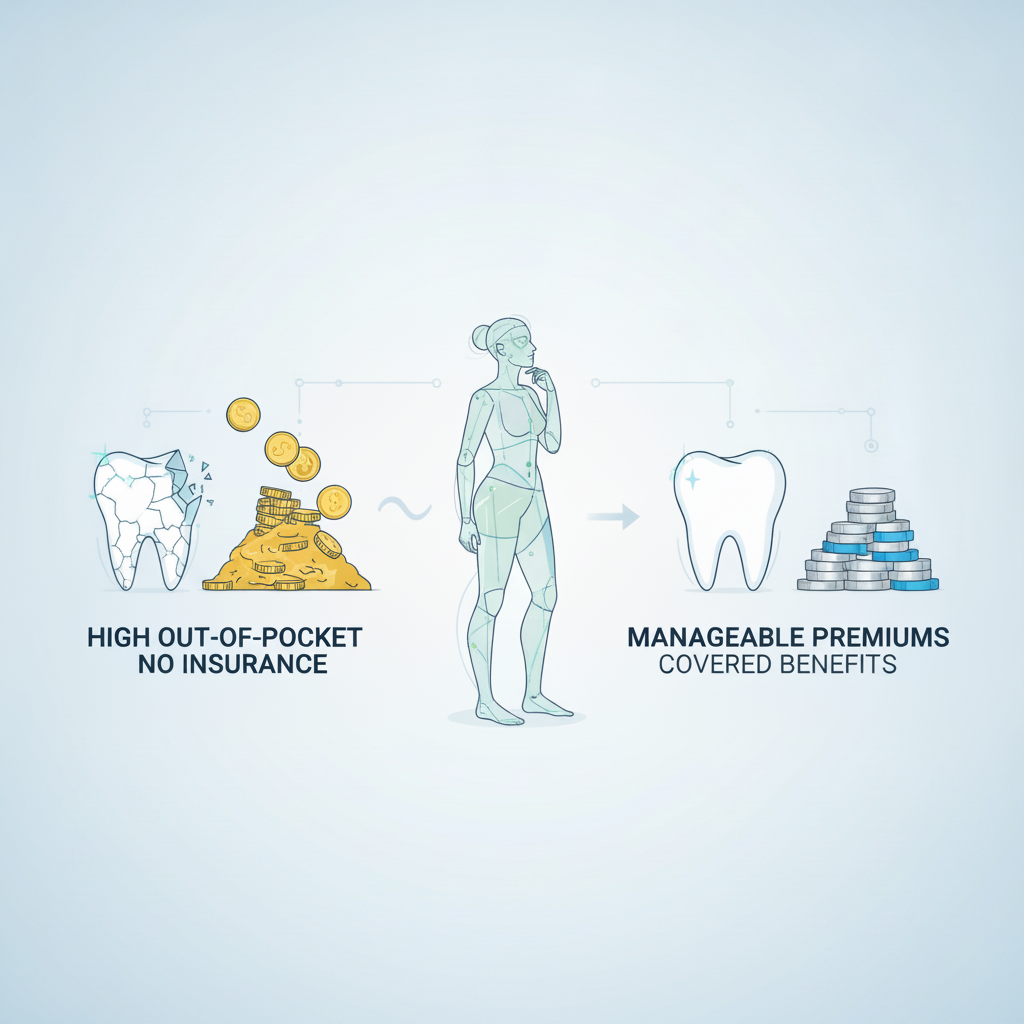
Ultimately, the decision to invest in dental insurance in Belgium is a personal financial and health assessment. It requires a clear understanding of your current dental health, an honest appraisal of potential future needs, and a careful comparison of the costs and benefits of various insurance policies. By thoroughly researching your options and considering complementary strategies, you can make the choice that best suits your oral health and financial well-being.