Dental Crowns Belgium – Types Explained
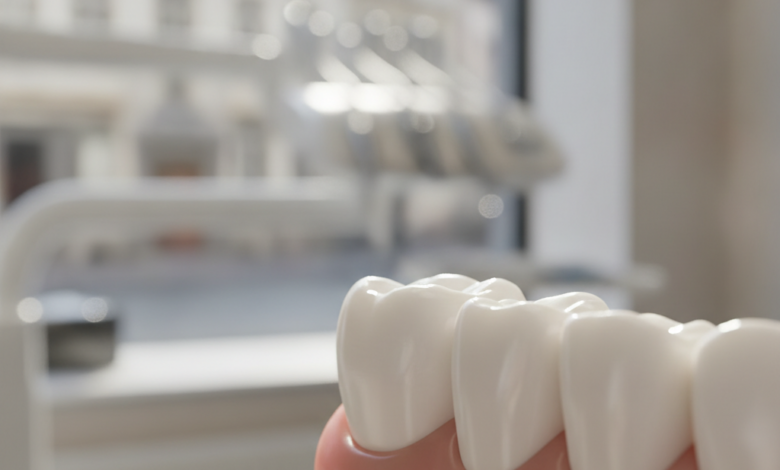
Dental crowns serve as vital restorations in modern dentistry, offering both functional rehabilitation and aesthetic enhancement for damaged teeth. For residents in Belgium, understanding the various types of crowns, their applications, and the overall procedure is crucial for making informed decisions about their oral health. A dental crown, often referred to as a “cap,” is a custom-made covering that fits over a prepared tooth, restoring its shape, size, strength, and appearance. They are meticulously designed to blend seamlessly with existing teeth, providing a durable and long-lasting solution for a range of dental issues.
Dental Crowns Belgium – Types Explained
What Are Dental Crowns and When Are They Needed?
Dental crowns are essentially prosthetic devices that are permanently cemented onto an existing tooth or an implant. Unlike fillings, which cover only a portion of the tooth, a crown encases the entire visible part of the tooth above the gum line. This comprehensive coverage provides superior protection and structural integrity, especially for teeth that have suffered significant damage. The primary purpose of a dental crown is to restore a tooth’s function, improve its aesthetics, and prevent further deterioration.
There are several common scenarios where a dentist might recommend a dental crown:
- Extensive Decay: When a tooth has a large cavity that cannot be adequately supported by a traditional filling, a crown provides the necessary strength and protection.
- Fractured or Cracked Teeth: Crowns can hold together parts of a cracked tooth, preventing the crack from worsening and preserving the tooth structure.
- Weakened Teeth: After a root canal procedure, teeth often become brittle and susceptible to fracture. A crown can protect these weakened teeth.
- Large Fillings: If an existing filling is too large or begins to fail, a crown can replace it and offer better long-term stability.
- Cosmetic Enhancement: Crowns can cover severely discolored or misshapen teeth, improving the overall appearance of a smile. They are a core component of many smile makeover treatments.
- Dental Implants: Crowns are also used to cap dental implants, serving as the visible, functional part of the artificial tooth.
The decision to opt for a crown is made after a thorough examination by a dental professional, considering the extent of damage, the patient’s oral health, and their aesthetic goals.
Types of Dental Crowns Belgium: Materials and Characteristics
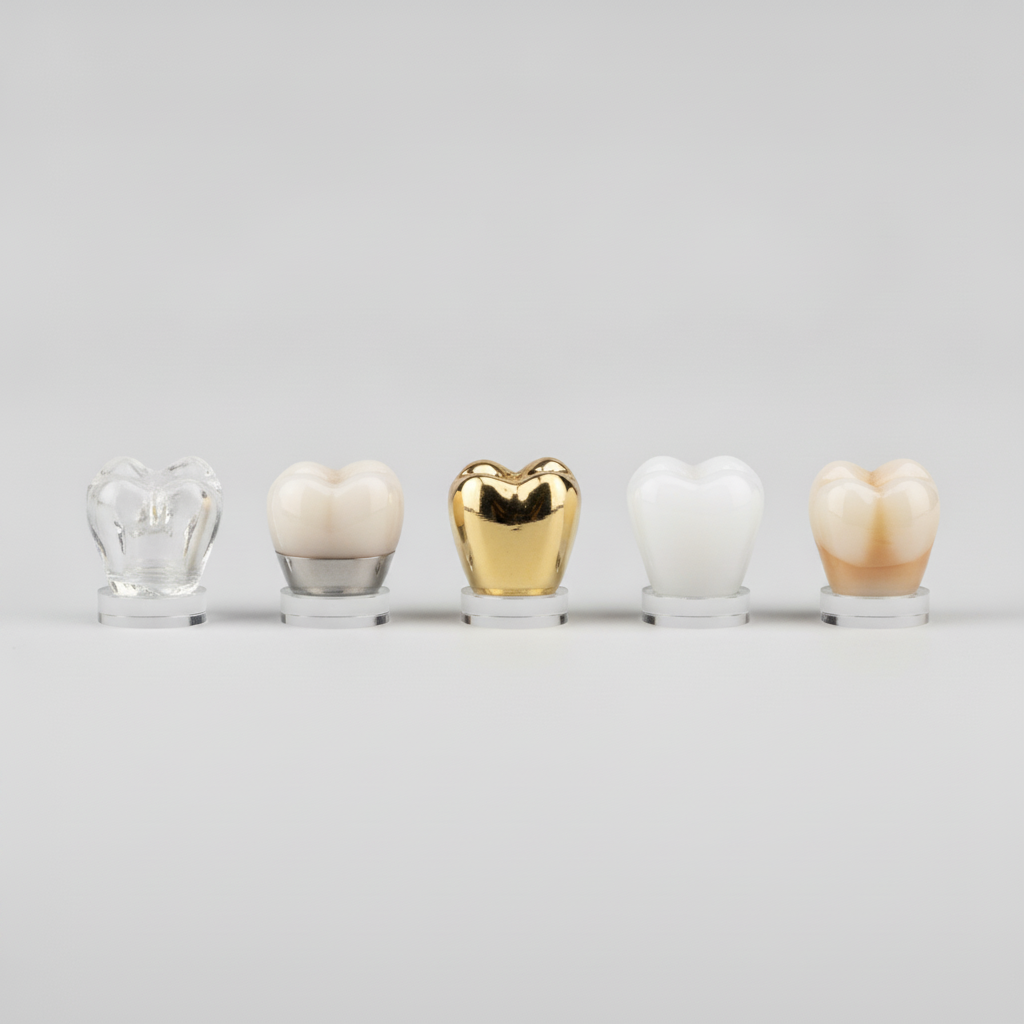
When considering dental crowns, the material choice is a significant factor, influencing aesthetics, durability, and cost. Advancements in dental technology have led to a variety of options, each with its unique benefits. Here’s a detailed look at the types commonly available for those seeking Dental Crowns Belgium:
| Crown Type | Description | Pros | Cons | Typical Use |
|---|---|---|---|---|
| Porcelain/Ceramic Crowns | Made entirely of ceramic materials, providing excellent translucency and color matching to natural teeth. | Highly aesthetic, metal-free (good for allergies), natural appearance. | Can be more brittle than other types, may wear opposing teeth slightly. | Front teeth, patients with metal allergies, aesthetic focus. |
| Porcelain-Fused-to-Metal (PFM) Crowns | Feature a metal substructure covered with a layer of porcelain. | Strong and durable, good aesthetics, less expensive than all-ceramic. | Can show a dark line at the gum line over time, less translucent than all-ceramic. | Both front and back teeth, where strength and moderate aesthetics are needed. |
| Metal Crowns (Gold Alloys, Base Metal Alloys) | Made from gold alloys (gold, copper, palladium) or base-metal alloys (nickel, chromium). | Extremely strong and durable, very long-lasting, less tooth reduction required. | Poor aesthetics (metallic color), can cause galvanic reactions in some patients. | Molar teeth (back of the mouth) where strength is paramount and visibility is low. |
| Zirconia Crowns | Made from zirconium dioxide, a very strong and biocompatible ceramic material. | Exceptional strength and durability, good aesthetics (tooth-colored), biocompatible, less tooth removal than PFM. | Can be less translucent than porcelain, potential for wear on opposing teeth if not highly polished. | Both front and back teeth, often preferred for their combination of strength and aesthetics. |
| E-max Crowns (Lithium Disilicate) | A type of all-ceramic crown known for its superior translucency and strength. | Outstanding aesthetics, very strong for an all-ceramic option, preserves natural tooth structure. | Not as strong as zirconia or metal, potentially higher cost. | Front teeth, smile makeovers, areas requiring high aesthetic appeal. |
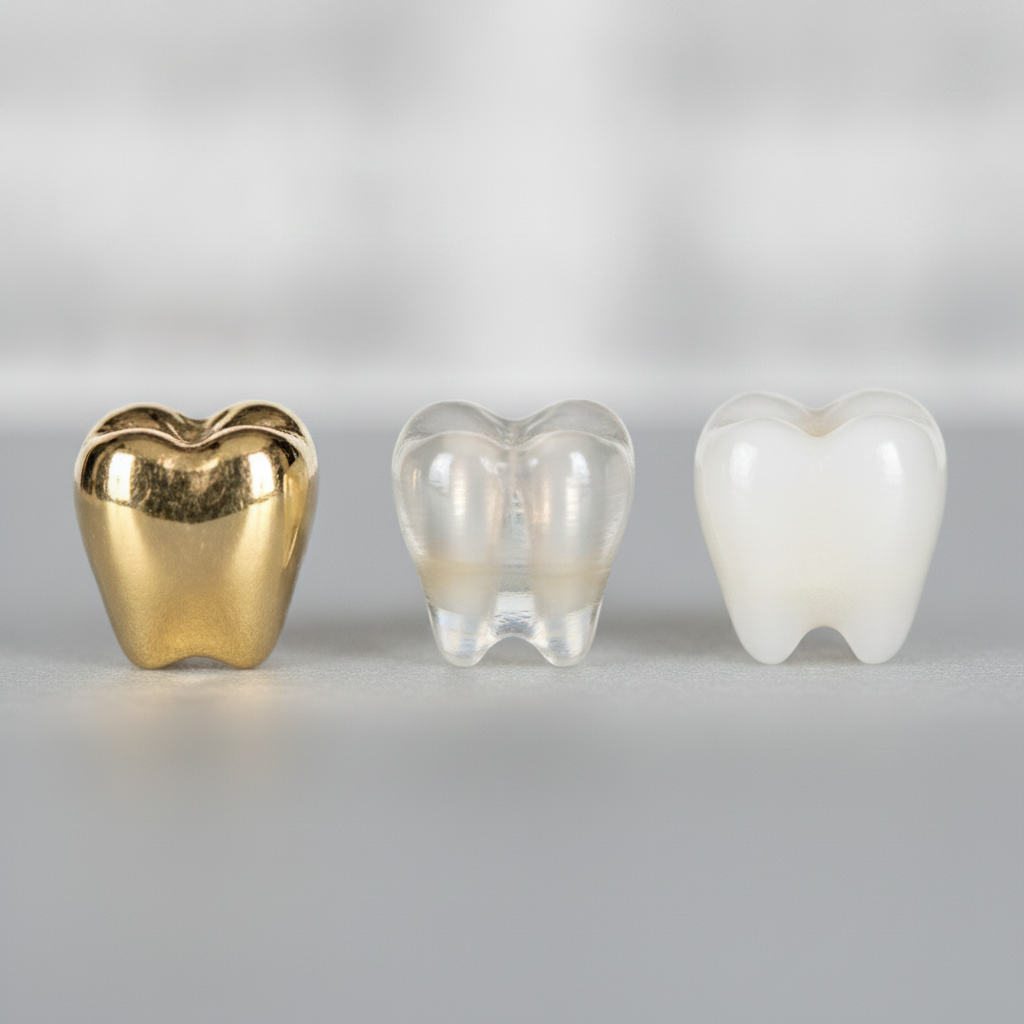
The choice of material will depend on several factors, including the location of the tooth (front vs. back), the amount of natural tooth structure remaining, the patient’s bite, aesthetic preferences, and budget. Your dentist in Belgium will discuss these options with you to determine the best fit for your specific needs.
The Dental Crown Procedure: A Step-by-Step Guide
Receiving a dental crown typically involves a two-visit process, though some clinics may offer same-day crowns using CAD/CAM technology. Here’s a general overview of what patients can expect:
- Initial Consultation and Diagnosis: The first step involves a thorough examination of your tooth, including X-rays. The dentist will assess the extent of the damage and determine if a crown is the appropriate treatment. Any underlying issues, such as decay or infection, will be addressed first.
- Tooth Preparation: During the first treatment visit, the dentist will numb the tooth and surrounding gum tissue. The tooth is then carefully reshaped to make room for the crown. This involves removing a small amount of enamel from the sides and chewing surface. If there’s significant decay or damage, the dentist may build up the tooth structure using a filling material before preparing it.
- Impressions: After the tooth is prepared, an impression of your teeth is taken. This can be done using a traditional putty-like material or, increasingly, with a digital scanner. These impressions are sent to a dental laboratory, where skilled technicians will fabricate your custom crown to precise specifications. An impression of the opposing jaw is also taken to ensure the crown fits perfectly into your bite.
- Temporary Crown Placement: While your permanent crown is being made, the dentist will place a temporary crown to protect the prepared tooth from sensitivity, further damage, and to maintain your bite and aesthetics. Temporary crowns are usually made of acrylic and are held in place with temporary cement.
- Laboratory Fabrication: This stage, which typically takes 1-2 weeks, involves the dental lab crafting your permanent crown based on the impressions provided. They meticulously match the color, shape, and size to blend with your natural teeth.
- Permanent Crown Placement: At your second visit, the temporary crown is removed. The dentist will carefully check the fit, bite, and color of the permanent crown. Once you and the dentist are satisfied, the crown is permanently bonded to your prepared tooth using a strong dental cement.
Following the procedure, it’s normal to experience some sensitivity, which usually subsides within a few days. Your dentist will provide specific aftercare instructions to ensure the longevity of your new crown.
Benefits of Dental Crowns for Oral Health and Aesthetics
The advantages of dental crowns extend beyond simply restoring a damaged tooth. They play a crucial role in maintaining overall oral health and enhancing a patient’s quality of life.
- Restoration of Function: Crowns restore the strength and chewing efficiency of a compromised tooth, allowing patients to eat and speak comfortably without pain or discomfort.
- Enhanced Aesthetics: Custom-made to match the color, size, and shape of surrounding teeth, crowns can dramatically improve the appearance of discolored, misshapen, or damaged teeth, contributing to a more confident smile.
- Protection Against Further Damage: By encapsulating the entire tooth, a crown acts as a protective shield, preventing fractures, further decay, and wear, especially for teeth that have undergone root canal treatment.
- Durability and Longevity: With proper care, dental crowns are highly durable and can last for 10 to 15 years, and often much longer, providing a long-term solution for dental problems.
- Improved Bite Alignment: Crowns can help correct bite issues caused by worn or damaged teeth, leading to better jaw function and preventing issues like temporomandibular joint (TMJ) disorders.
Investing in a dental crown is an investment in your long-term oral health and well-being.
Caring for Your Dental Crown in Belgium
While dental crowns are designed to be durable, their longevity heavily depends on proper oral hygiene and regular dental check-ups. Here’s how to care for your new crown:
- Maintain Excellent Oral Hygiene: Brush your teeth at least twice a day with fluoride toothpaste and floss daily. Pay particular attention to the area around the crown, especially where it meets the gum line, to prevent plaque buildup and gum disease.
- Avoid Hard or Sticky Foods: In the initial days after cementation, it’s wise to avoid overly sticky candies, hard nuts, or chewing ice, which could potentially dislodge or damage the crown. Even with a fully bonded crown, habitual consumption of such foods can stress the restoration.
- Regular Dental Check-ups: Schedule routine dental visits, typically every six months. Your dentist will check the crown’s integrity, examine your bite, and ensure the surrounding gum tissue remains healthy. This also allows for early detection of any potential issues.
- Address Bruxism (Teeth Grinding): If you clench or grind your teeth, especially at night, your dentist may recommend a nightguard. This protective device can prevent excessive wear and tear on your crown and natural teeth.
Proper care ensures that your dental crown remains a functional and aesthetic part of your smile for many years. For more information on crowns and their underlying principles, a helpful resource is the Wikipedia page on dental crowns.
Factors Influencing Dental Crown Cost in Belgium
The cost of dental crowns in Belgium can vary significantly based on several factors. It’s important for patients to have a clear understanding of these elements when budgeting for their treatment.
- Material Type: As discussed, different materials have different price points. Metal crowns are often the least expensive, while all-ceramic options like E-max and Zirconia tend to be at the higher end due to their aesthetic appeal and advanced manufacturing processes.
- Complexity of the Case: If the tooth requires extensive preparatory work, such as a root canal or a significant build-up of tooth structure before the crown can be placed, these additional procedures will add to the overall cost.
- Dentist’s Fees and Clinic Location: Fees can vary between dental clinics and dentists based on their experience, specialization, and the clinic’s location (e.g., urban centers versus rural areas).
- Diagnostic Procedures: The initial costs of X-rays, examinations, and potentially 3D scans are usually separate from the crown fabrication itself.
- Laboratory Costs: The quality and reputation of the dental laboratory that fabricates the crown can also influence the price. High-quality, custom-made crowns from specialized labs might cost more.
In Belgium, as in many Western European countries, dental treatments can be a significant investment. Patients are advised to discuss all potential costs with their dentist upfront and inquire about payment plans or insurance coverage that might apply.
Choosing to get a dental crown is a commitment to improving your oral health and smile. With various types available, a thorough consultation with a qualified dental professional is essential to determine the best approach for your individual needs. Understanding the procedure, material options, and aftercare ensures a successful outcome and a long-lasting restoration.