Dental Bridge Cost Belgium Explained
Dental Bridge Cost Belgium Explained
Navigating the complexities of dental care, especially when considering treatments like a dental bridge, often brings cost into sharp focus. For many individuals in Belgium and those contemplating dental tourism, understanding the financial implications of a dental bridge is a crucial first step. A dental bridge serves as an effective solution for replacing one or more missing teeth, restoring function, aesthetics, and preventing complications that arise from gaps in your smile. This comprehensive guide will delve into the various factors that influence the overall cost of a dental bridge in Belgium, helping you make an informed decision for your oral health.
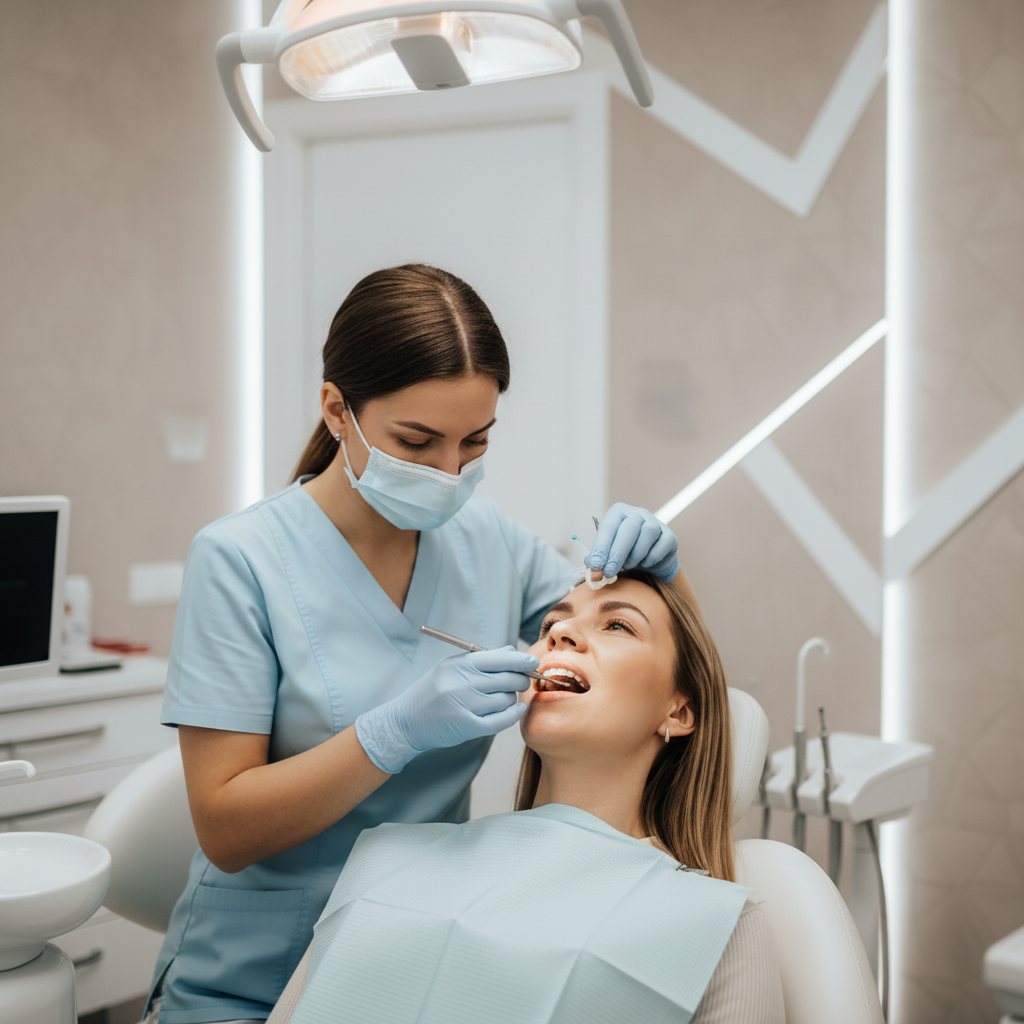
What is a Dental Bridge?
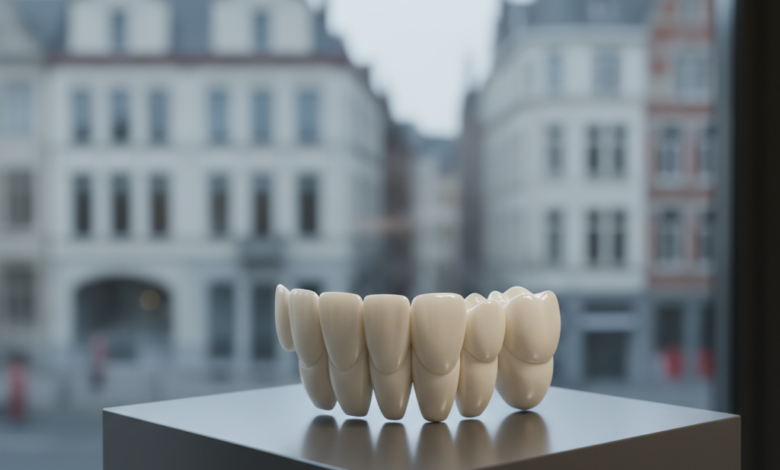
A dental bridge is a custom-made prosthetic device designed to “bridge” the gap created by one or more missing teeth. It typically consists of an artificial tooth (or teeth), known as a pontic, which is held in place by dental crowns cemented onto the natural teeth or dental implants on either side of the gap. These supporting teeth are called abutment teeth. The primary purpose of a dental bridge is to restore chewing ability, improve speech, maintain facial structure, and prevent the remaining teeth from shifting out of alignment, which can lead to further dental problems.
Types of Dental Bridges
The type of dental bridge recommended for you will significantly impact the cost. Each type is designed for specific situations and offers different benefits regarding stability, aesthetics, and longevity.
* Traditional Bridges: These are the most common type of dental bridge. They consist of a pontic (or pontics) held in place by crowns that are cemented onto the adjacent natural teeth (abutment teeth). Traditional bridges are strong and suitable when you have healthy natural teeth on both sides of the gap.
* Cantilever Bridges: Similar to traditional bridges, but used when there are natural teeth on only one side of the missing tooth gap. While still an option, they are generally not recommended for the back of the mouth where strong biting forces could damage them.
* Maryland Bonded Bridges (Resin-Bonded Bridges): These bridges use a metal or porcelain framework that is bonded to the back of the two adjacent natural teeth, rather than requiring crowns. This is a more conservative option as it requires less preparation of the abutment teeth but may not be as strong as traditional bridges.
* Implant-Supported Bridges: Instead of relying on natural teeth for support, these bridges are anchored by dental implants surgically placed into the jawbone. This option is highly durable, stable, and does not require altering adjacent natural teeth. It is often considered the longest-lasting solution for multiple missing teeth.
Materials Used in Dental Bridges
The material used for your dental bridge also plays a pivotal role in its cost, aesthetics, and durability.
- Porcelain-Fused-to-Metal (PFM): These bridges combine the strength of a metal alloy framework with the aesthetic appeal of porcelain. They are a popular choice, offering a good balance between durability and natural appearance, though the metal substructure can sometimes show through at the gumline over time.
- All-Ceramic/Porcelain (Zirconia, E-max): These bridges are entirely made of ceramic materials, offering superior aesthetics that closely mimic natural teeth. Zirconia bridges, in particular, are known for their exceptional strength and biocompatibility, making them an excellent choice for both front and back teeth. E-max is another high-strength ceramic known for its translucency, often preferred for front teeth.
- Metal Alloys (Gold, Base Metals): While less common for visible teeth due to aesthetic concerns, metal bridges are highly durable and strong. They are sometimes used for posterior teeth where biting forces are significant.
Dental Bridge Cost Belgium
The cost of a dental bridge in Belgium can vary significantly based on numerous factors. Understanding these influences is key to anticipating your total expenditure.
* Type of Bridge: As discussed, implant-supported bridges are generally the most expensive due to the additional surgical procedures required for implant placement. Traditional and cantilever bridges fall in the mid-range, while Maryland bridges are typically the least expensive.
* Material Choice: All-ceramic (zirconia, E-max) bridges tend to be more costly than porcelain-fused-to-metal (PFM) or metal alloy bridges due to their superior aesthetic qualities and advanced manufacturing processes.
* Number of Pontics and Abutment Teeth: A bridge that replaces more missing teeth (more pontics) and requires more abutment crowns will naturally cost more. Each unit (pontic or crown) adds to the overall price.
* Complexity of the Case: The overall health of your mouth and any preparatory procedures needed can greatly influence the cost. For example, if you require extractions, gum disease treatment, or root canal treatment on the abutment teeth before the bridge can be placed, these additional treatments will add to the total cost.
* Geographic Location within Belgium: Dental practice costs can vary between urban centers like Brussels, Antwerp, or Ghent, and smaller towns or rural areas. Clinics in prime locations with higher overheads may charge more.
* Dentist’s Experience and Clinic Reputation: Highly experienced dentists or clinics known for specialized or premium services might have higher fees.
* Diagnostic Procedures: Initial consultations, X-rays, 3D scans, and impressions are necessary for accurate treatment planning and contribute to the overall cost.
* Laboratory Fees: The fabrication of a custom dental bridge is a meticulous process performed by a dental laboratory. The quality of materials and the expertise of the lab technicians directly impact these fees.
* Anesthesia: While local anesthesia is usually included, more advanced sedation options will incur additional costs.
* Follow-up Appointments: Post-placement checks and any necessary adjustments should also be factored in.
Average Cost Breakdown for Dental Bridges in Belgium
Providing an exact figure for a dental bridge in Belgium is challenging due to the numerous variables. However, we can offer estimated ranges to give you a clearer picture. These figures are approximations and can fluctuate based on the specific clinic, materials chosen, and individual treatment needs.
| Bridge Type / Material (per unit) | Estimated Cost Range (EUR) | Key Considerations |
|---|---|---|
| Traditional PFM Bridge (per unit, e.g., 3 units = 2 crowns + 1 pontic) | €400 – €750 | Common choice, good blend of strength and aesthetics. |
| Traditional All-Ceramic/Zirconia Bridge (per unit) | €600 – €1,000 | Superior aesthetics, highly durable, biocompatible. |
| Maryland Bonded Bridge (per unit) | €300 – €600 | Minimally invasive, but generally less strong than traditional. |
| Cantilever Bridge (per unit) | €450 – €800 | Used when only one anchor tooth is available. |
| Implant-Supported Bridge (per unit, excluding implant surgery) | €500 – €1,200 | Requires prior implant placement; excellent stability and longevity. |
| Dental Implant Surgery (per implant, if needed for support) | €1,500 – €3,000 | Additional cost for implant-supported options, separate from bridge units. |
It is important to remember that these are per-unit costs. A typical three-unit bridge (replacing one missing tooth with two crowns on adjacent teeth) would involve multiplying the per-unit cost by three. Therefore, a traditional PFM bridge could range from €1,200 to €2,250, while an all-ceramic bridge could be €1,800 to €3,000 for three units. This does not include any necessary preliminary treatments.
The Dental Bridge Procedure: What to Expect
The process of getting a dental bridge typically involves several appointments with your dentist:
- Initial Consultation and Treatment Planning: Your dentist will conduct a thorough examination, including X-rays and possibly 3D scans, to assess your oral health and determine if a dental bridge is the right solution for you. They will discuss the various bridge types, materials, and associated costs.
- Tooth Preparation: During the first treatment visit, the abutment teeth (the teeth on either side of the gap) are carefully prepared. This involves reshaping them by removing a small amount of enamel to make room for the crowns that will fit over them.
- Impressions and Temporary Bridge: After preparation, impressions of your teeth are taken. These impressions are sent to a dental laboratory, where your custom bridge will be fabricated. A temporary bridge made of acrylic will be placed to protect the prepared teeth and maintain your aesthetics while the permanent bridge is being made.
- Fabrication of Permanent Bridge: The dental laboratory will meticulously craft your permanent bridge to perfectly match the shape, size, and color of your natural teeth. This process can take several weeks.
- Final Placement: Once the permanent bridge is ready, you will return for your final appointment. The temporary bridge is removed, and your dentist will check the fit, bite, and aesthetics of the new bridge. If everything is satisfactory, the bridge is permanently cemented onto the prepared abutment teeth.
Benefits of Choosing a Dental Bridge
Opting for a dental bridge offers a multitude of advantages that go beyond just filling a gap:
- Restored Chewing Ability: Bridges allow you to chew and eat a wider variety of foods comfortably, improving digestion and nutrition.
- Improved Speech: Missing teeth can affect speech patterns, leading to lisps or slurred words. A bridge helps restore proper articulation.
- Maintained Facial Structure: Gaps in your teeth can lead to sagging facial muscles and a sunken appearance. Bridges help maintain the natural contours of your face.
- Prevents Shifting of Remaining Teeth: When a tooth is lost, adjacent teeth can drift into the empty space, causing bite problems and increasing the risk of gum disease and decay. A bridge holds them in place.
- Aesthetic Improvement: A well-made dental bridge seamlessly blends with your natural teeth, enhancing your smile and boosting your confidence. For more details on dental aesthetics, you might find information on dental bridge construction useful.
Maintaining Your Dental Bridge
The longevity of your dental bridge largely depends on proper oral hygiene and regular dental check-ups. To ensure your bridge lasts for many years:
- Practice Excellent Oral Hygiene: Brush twice a day with fluoride toothpaste and floss daily, paying special attention to cleaning under and around the bridge. Special floss threaders or interdental brushes can help clean tricky areas.
- Regular Dental Check-ups: Visit your dentist for routine check-ups and professional cleanings. This allows your dentist to monitor the health of your bridge and surrounding teeth and gums.
- Avoid Hard or Sticky Foods: Biting down on very hard foods or chewing overly sticky items can potentially damage your bridge.
- Address Bruxism: If you grind or clench your teeth (bruxism), your dentist might recommend a nightguard to protect your bridge and natural teeth from excessive force.
Considering Dental Tourism
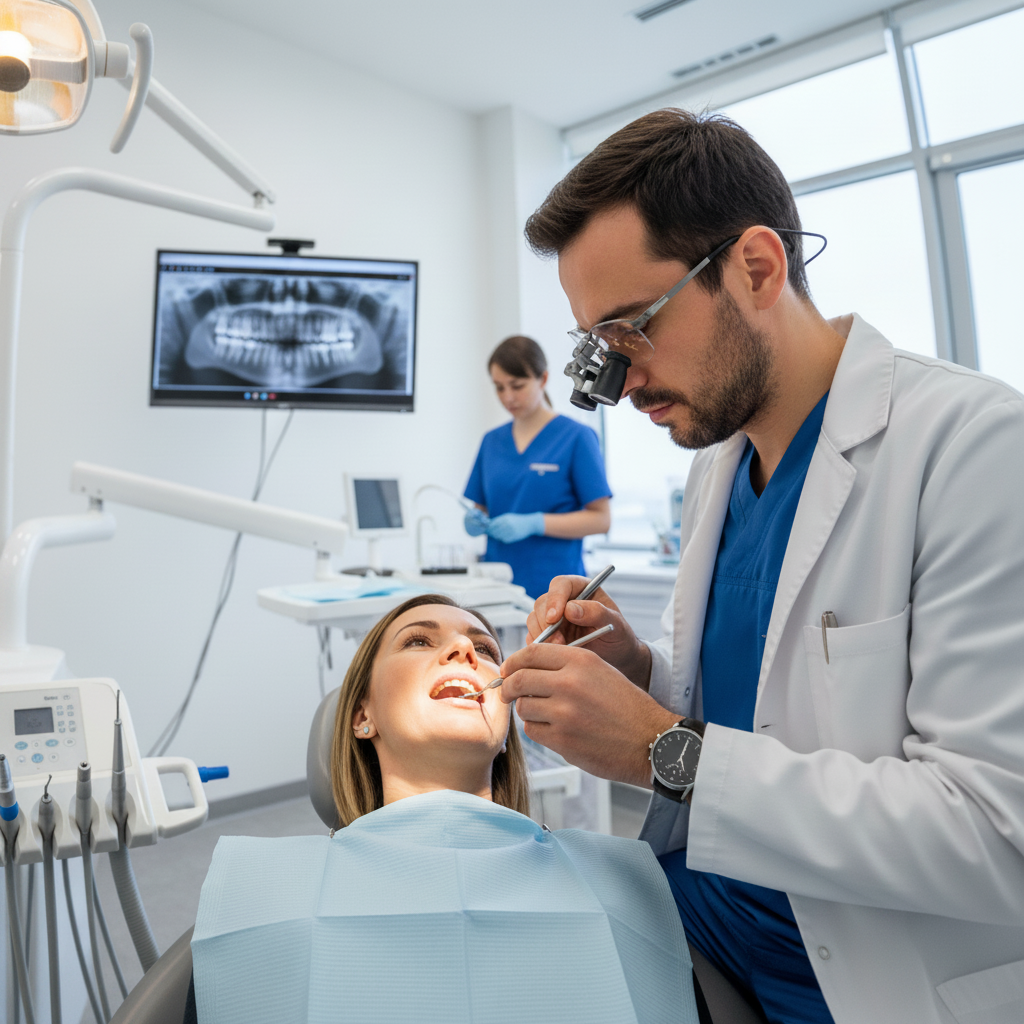
While Belgium offers high-quality dental care, many individuals exploring solutions for missing teeth consider dental tourism as a cost-effective alternative. Countries like Turkey have emerged as popular destinations for various dental treatments, including bridges and dental implants. Patients are often drawn to the competitive pricing, advanced facilities, and experienced dental professionals available in these countries, allowing them to receive high-standard care at a significantly reduced cost compared to Western European prices. This option allows for substantial savings, often even when factoring in travel and accommodation expenses.
Choosing to invest in a dental bridge is a decision that impacts both your oral health and your overall well-being. By understanding the factors influencing the Dental Bridge Cost Belgium, the types of bridges available, and the importance of proper maintenance, you can confidently pursue the treatment that best suits your needs and budget. Always consult with a qualified dental professional to discuss your specific situation and receive a personalized treatment plan and cost estimate.