Does Insurance Cover Dental Implants in Belgium?

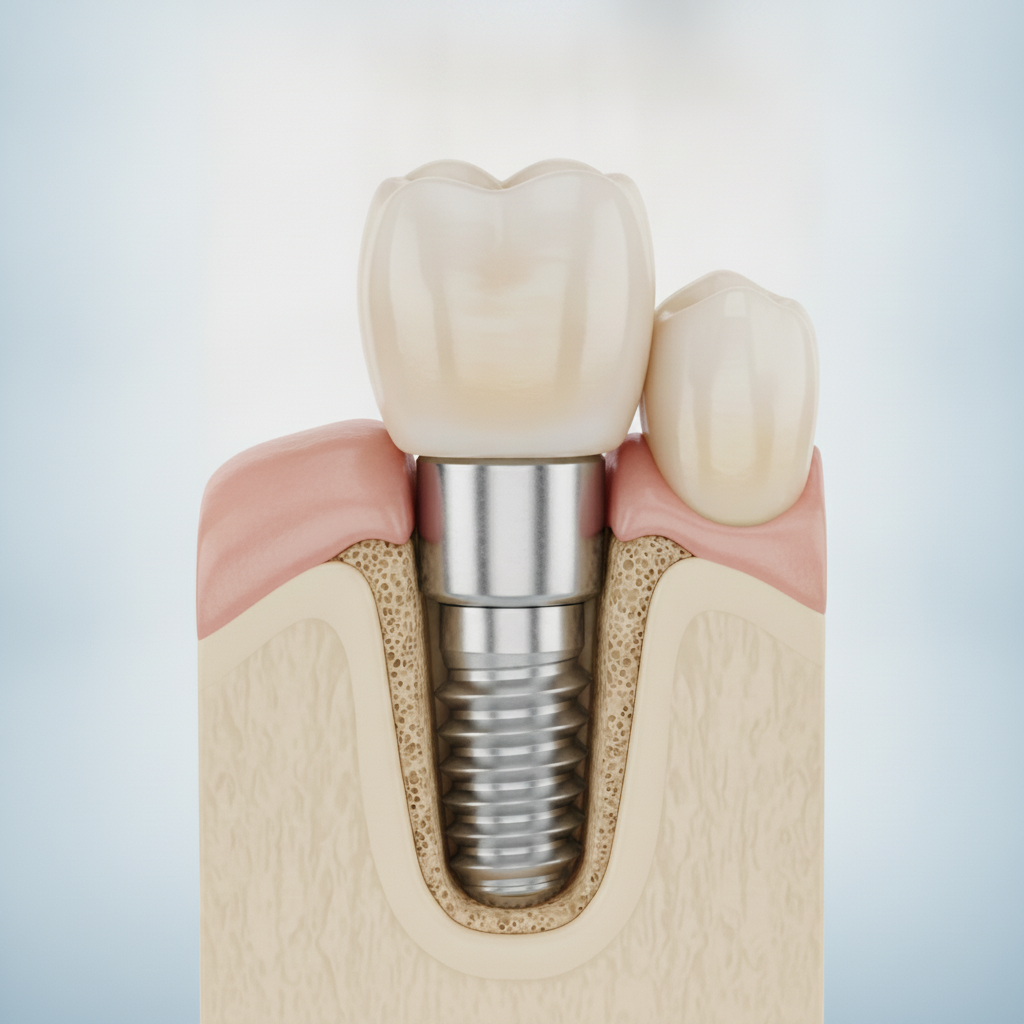
Does Insurance Cover Dental Implants in Belgium? Navigating the complexities of healthcare, especially when it pertains to specialized procedures like dental implants, can often feel like a daunting task. For individuals residing in Belgium, understanding the nuances of insurance coverage for such an advanced dental solution is paramount. Dental implants represent a significant investment in oral health and quality of life, offering a permanent and aesthetically pleasing alternative to traditional bridges or dentures for missing teeth. They involve surgically placing a titanium post into the jawbone, which acts as an artificial tooth root, providing a sturdy foundation for a crown, bridge, or even full dentures. Given their intricate nature and the materials involved, the cost can be substantial, leading many to question the extent of their insurance benefits.
Understanding Dental Implants: A Foundation for Coverage Discussions
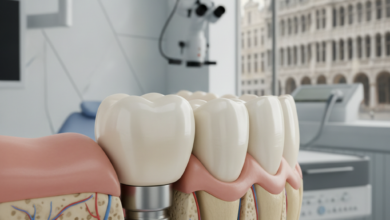
Dental implants are considered the gold standard for replacing missing teeth due to their durability, stability, and natural appearance. The procedure typically involves several stages: an initial consultation and planning phase, the surgical placement of the implant post, a healing period during which the implant fuses with the jawbone (osseointegration), and finally, the attachment of an abutment and a custom-made prosthetic tooth or set of teeth. This multi-stage process, combined with the specialized expertise required, contributes to the overall expense. Patients often seek implants not just for cosmetic reasons but also to restore chewing function, prevent bone loss, and improve speech, highlighting their medical necessity in many cases. The long-term benefits, including improved oral hygiene and the preservation of adjacent healthy teeth, often justify the initial investment, making insurance coverage a critical factor for many patients. Modern implantology has advanced significantly, offering high success rates and predictable outcomes when performed by experienced professionals. This robust solution helps maintain facial structure and eliminates the inconveniences associated with removable dentures.
The Belgian Healthcare System and Dental Care
Belgium boasts a comprehensive healthcare system, primarily funded through social security contributions and government subsidies. This system provides mandatory health insurance, which covers a broad range of medical services. However, when it comes to dental care, particularly advanced restorative procedures like dental implants, the standard public health insurance typically offers limited coverage. Routine dental check-ups, basic fillings, and extractions are often partially reimbursed, but elective or complex procedures often fall into a different category. This is where supplementary dental insurance plans, offered by various private insurers or mutualities (mutualiteiten/mutualités), become relevant for those considering dental implants. These supplementary plans are designed to bridge the gap left by basic public coverage, offering higher reimbursement rates and covering a wider array of treatments, including specialized interventions that enhance oral functionality and aesthetics. The extent of coverage from these supplementary plans is highly dependent on the chosen policy and its specific terms.
Insurance Cover Dental Implants in Belgium: Delving into Specifics
When examining whether insurance covers dental implants in Belgium, it’s crucial to differentiate between the coverage provided by mandatory health insurance and that offered by supplementary dental plans. The mandatory system generally considers dental implants as an aesthetic or non-essential procedure, often resulting in very minimal or no reimbursement. There are exceptions, such as cases of congenital malformation, specific medical conditions leading to severe tooth loss, or trauma from severe accidents, where a portion might be covered under specific conditions and prior approval from the health insurance fund. These situations are carefully assessed on a case-by-case basis and require detailed medical documentation.
Supplementary dental insurance, however, is specifically designed to offer more extensive coverage for complex dental work. These plans vary significantly from provider to provider, but common features include:
- Reimbursement Percentages: Plans typically cover a certain percentage of the cost, ranging from 50% to 80%, up to an annual maximum. For instance, a policy might cover 70% of implant costs, meaning you pay the remaining 30% out-of-pocket.
- Annual Caps: There is usually a maximum amount the insurance company will reimburse per year for all dental treatments combined, including implants. This cap can range from a few hundred to several thousand Euros, significantly impacting the net cost for extensive procedures.
- Waiting Periods: Many supplementary dental plans impose waiting periods, often 6 to 12 months, and sometimes even longer for major procedures like implants, before coverage for major procedures becomes active. This prevents individuals from signing up for a plan solely to cover an immediate, expensive treatment.
- Pre-authorization: For high-cost procedures like implants, insurers often require pre-authorization. This involves submitting a detailed treatment plan from your dentist to the insurance company for approval before the treatment begins, ensuring it meets their criteria for coverage and allowing you to know your exact reimbursement amount beforehand.
- Conditions for Coverage: Coverage might be contingent on the implant being deemed medically necessary, rather than purely cosmetic. Documentation from your dentist outlining the medical rationale, such as inability to chew or speak properly, or severe bone loss, is usually required.
It is essential for individuals to thoroughly review their specific policy documents or contact their insurance provider directly to understand the exact terms and conditions of their coverage for dental implants. Understanding these details can prevent unexpected financial burdens.
Factors Influencing Dental Implant Coverage
Several key factors can impact the extent to which dental implants are covered by insurance in Belgium:
- Type of Policy: The distinction between basic public coverage and various comprehensive supplementary plans is crucial. More expensive and inclusive supplementary plans generally offer better reimbursement rates and higher annual limits.
- Provider Network: While less restrictive than in some other countries, some insurance plans might have preferred dentists or clinics or offer better rates for services obtained from network providers. It is always wise to verify this with your insurer.
- Cause of Tooth Loss: If tooth loss is due to an accident, especially one covered by a separate accident insurance policy, or a specific underlying medical condition, coverage might be different and potentially more generous, requiring specific claim procedures.
- Age of the Patient: Certain plans might have age-related restrictions or benefits, with some offering enhanced coverage for younger individuals or specific conditions related to age.
- The Dentist’s Fee Structure: Reimbursement is often based on standardized rates for specific procedures. If your dentist’s fees exceed these established rates, you will be responsible for the difference, known as the “supplements.”
The Insurance Process for Dental Implants in Belgium
Navigating the process effectively can help maximize your insurance benefits and ensure a smoother experience.
- Initial Consultation and Treatment Plan: The first step is to consult with a qualified dentist who specializes in dental implants. They will assess your oral health, discuss treatment options, and provide a detailed treatment plan, including estimated costs for each stage of the procedure, from diagnostics to the final crown.
- Contact Your Insurer: Before proceeding, contact your supplementary dental insurance provider. Inform them of your planned treatment and inquire about the specific documents required for pre-authorization and reimbursement. This early communication is vital for clarity.
- Request Pre-authorization: If your plan requires it, submit the dentist’s detailed treatment plan, comprehensive cost estimate, and any necessary X-rays, CT scans, or diagnostic images to your insurer for pre-authorization. This step is vital as it confirms the insurer’s commitment to cover a portion of the costs and clarifies your out-of-pocket expenses.
- Undergo Treatment: Once pre-authorization is secured (if required), and you understand the financial implications, you can proceed with the dental implant procedure as planned by your dentist.
- Submit Claim: After the treatment is completed and paid for, submit all original invoices and proof of payment to your insurance provider for reimbursement, following their specific claim submission guidelines. Keep copies of all documentation for your records, including the pre-authorization approval.
Cost Considerations Beyond Insurance
Even with supplementary insurance, patients should anticipate out-of-pocket expenses. These can include:
- Deductibles: The fixed amount you must pay annually before your insurance starts to cover costs.
- Co-insurance: The percentage of the cost you are responsible for after meeting your deductible, often expressed as a 70/30 split where the insurer covers 70% and you cover 30%.
- Costs exceeding annual caps: If the total cost of your implants exceeds your plan’s annual maximum, the remainder will be your responsibility.
- Non-covered services: Certain ancillary services, specific types of materials (e.g., premium crown materials), or purely cosmetic enhancements might not be covered by your policy.
Given these potential out-of-pocket costs, some individuals explore alternative options. Dental tourism, for instance, has gained popularity, with patients traveling to countries where dental implant procedures might be more affordable without compromising on quality. This approach often requires careful research into clinic accreditation, dentist qualifications, and post-operative care, but it can present significant cost savings compared to private treatment costs in Belgium.
Here’s a simplified look at typical scenarios for dental implant coverage:

| Aspect of Coverage | Mandatory Health Insurance (Belgium) | Supplementary Dental Insurance (Belgium) |
|---|---|---|
| Initial Consultation & Diagnostics | Partial reimbursement (standard rates) | Higher reimbursement (per plan) |
| Implant Placement (Surgical) | Rarely covered; specific conditions (e.g., accident, congenital) may apply for minimal coverage. | Partial reimbursement (e.g., 50-80%), subject to annual caps and waiting periods. |
| Abutment & Crown/Bridge | Rarely covered. | Partial reimbursement, often grouped with implant placement, subject to caps. |
| Bone Grafting/Sinus Lift | Rarely covered. | May be covered if deemed medically necessary for implant success, subject to plan limits. |
| Maintenance & Aftercare | Partial reimbursement for routine check-ups. | Often includes higher coverage for hygiene and follow-ups. |
| Annual Maximums | Not applicable for implants (minimal/no coverage). | Defined annual limit (e.g., €750 – €3000+) for all major dental work. |
| Waiting Periods | Not applicable. | Commonly 6-12 months for major procedures. |
Making an Informed Decision About Dental Implants and Insurance
The decision to undergo dental implant treatment is a significant one, both medically and financially. It requires careful planning and a thorough understanding of all associated costs and potential insurance reimbursements. Patients should engage in open discussions with their dental professional about the entire treatment process, expected outcomes, and a detailed breakdown of costs. Simultaneously, direct communication with their supplementary insurance provider is indispensable. Asking specific questions about coverage for each stage of the implant procedure, understanding annual limits, waiting periods, and pre-authorization requirements will prevent unexpected financial burdens. Leveraging all available resources, including online policy guides and customer service channels, can empower individuals to make the best decisions for their oral health and financial well-being. Ensuring clarity on these financial aspects is as vital as the clinical success of the dental implant itself, contributing to a smoother overall experience.
For those considering dental implants, a strong understanding of both the medical procedure and the financial landscape, including insurance coverage and potential out-of-pocket expenses, is crucial. While mandatory health insurance in Belgium offers limited support for dental implants, supplementary dental plans can significantly reduce the financial strain. The key lies in proactive research, meticulous planning, and clear communication with both your dentist and your insurance provider to ensure a smooth and predictable experience. Making an informed decision based on a comprehensive understanding of all factors is the best approach to securing a healthy, confident smile. For more detailed scientific information on dental implants and their efficacy, one can refer to authoritative medical resources such as Wikipedia’s entry on Dental Implants.”