How Long Do Dental Implants Take Belgium?
How Long Do Dental Implants Take Belgium?
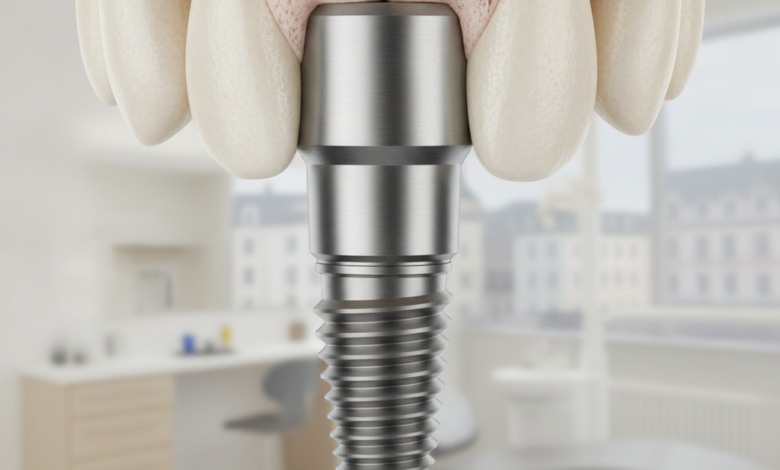
The journey to a restored smile with dental implants is a carefully planned and executed process, often spanning several months. While the immediate placement of an implant is a surgical procedure that takes only a few hours, the overall timeline encompasses consultation, healing, and the final placement of the prosthetic tooth. Patients in Belgium considering dental implants should understand that patience is key to achieving the best long-term results, as the body needs sufficient time to integrate the implant with the bone. The exact duration can vary significantly based on individual patient needs, the complexity of the case, and whether additional procedures like bone grafting are required.
Understanding the Dental Implant Process: A Phased Approach
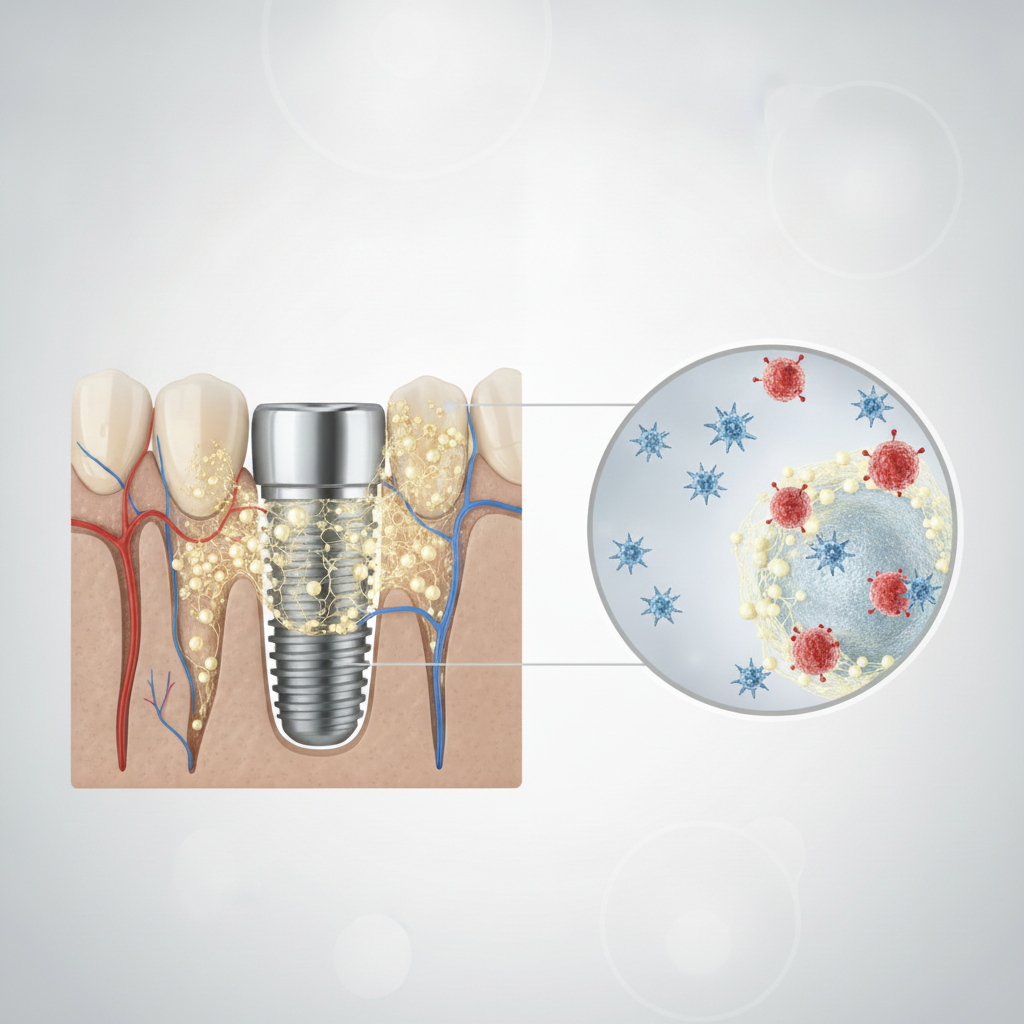
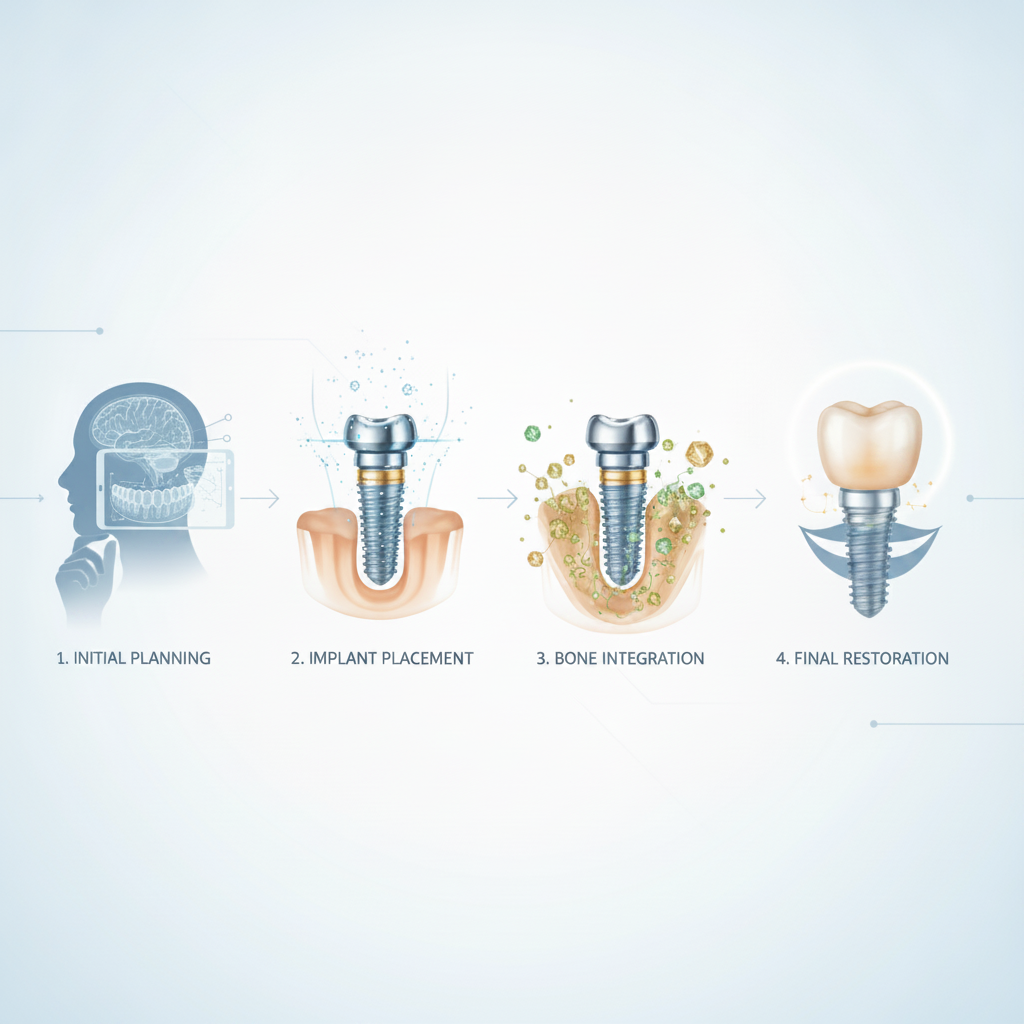
Dental implant treatment is not a single appointment procedure but rather a series of stages designed to ensure the implant integrates successfully and provides a stable foundation for your new tooth. Each stage has its own timeline, contributing to the overall duration. A comprehensive understanding of these phases can help manage expectations and prepare for the journey ahead.
Initial Consultation and Treatment Planning
The first step is a thorough examination and consultation with a qualified dental professional. This phase typically involves X-rays, 3D scans (like CBCT scans), and a detailed assessment of your oral health, bone density, and general medical history. The dentist will determine if you are a suitable candidate for implants and develop a personalized treatment plan. This initial phase usually takes a few days to a couple of weeks, depending on the scheduling of diagnostic appointments and the complexity of the assessment. It’s during this time that any potential complications or additional procedures, such as bone grafting, will be identified.
The Surgical Placement of the Implant
Once the treatment plan is finalized, the surgical procedure to place the titanium implant post into the jawbone is scheduled. This is typically done under local anesthesia, though sedation options may be available. The surgery itself is relatively quick, often taking about 1 to 2 hours per implant, depending on the location and number of implants being placed. Following the surgery, a healing period begins, which is crucial for the success of the implant.
The Critical Osseointegration Period
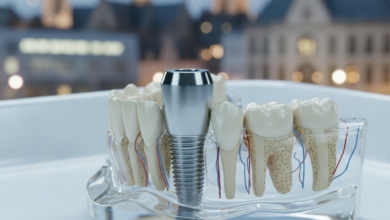
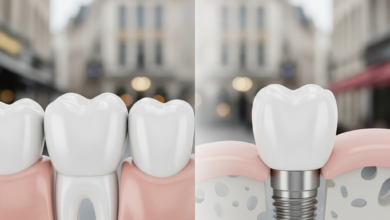
Osseointegration is perhaps the most vital and time-consuming stage of the dental implant process. This is the biological process where the titanium implant fuses directly with the surrounding jawbone. It’s a natural process that provides the strong, stable foundation necessary for a permanent tooth replacement. The duration of osseointegration varies from person to person but generally takes anywhere from 3 to 6 months. During this period, the implant is usually left undisturbed beneath the gum line to ensure proper healing and integration. In some cases, especially for implants placed in the upper jaw, or if bone density is lower, this period might extend longer.
Abutment Placement: The Connector
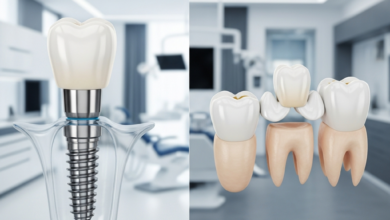
Once osseointegration is complete, a minor surgical procedure may be performed to expose the top of the implant and attach a small connector post called an abutment. The abutment will protrude through the gum line and serve as the attachment point for the final dental crown or prosthesis. This procedure is less invasive than the initial implant placement and typically requires a healing period of about 1 to 2 weeks for the gums to heal around the abutment. In some modern implant systems, the abutment may be attached at the same time as the implant placement, eliminating this separate step.
Fabrication and Attachment of the Prosthesis
After the gums have healed around the abutment, impressions of your mouth are taken. These impressions are sent to a dental lab where your custom-made crown, bridge, or denture will be fabricated to match the natural color, shape, and size of your existing teeth. This fabrication process usually takes 2 to 4 weeks. Once the prosthesis is ready, it is securely attached to the abutment, completing the dental implant treatment.
Key Stages of Dental Implant Treatment and Their Timelines
To provide a clearer overview, here’s a typical breakdown of the dental implant process, assuming no major complications or additional procedures like bone grafting are needed. This table illustrates the general sequence and duration of each phase for a standard implant case.
| Stage of Treatment | Description | Typical Duration |
|---|---|---|
| Initial Consultation & Planning | Comprehensive examination, X-rays, scans, treatment plan creation. | 1-2 Weeks |
| Implant Placement Surgery | Surgical insertion of the titanium implant into the jawbone. | 1-2 Hours (per implant) |
| Osseointegration (Healing Period) | The implant fuses with the jawbone. Most critical healing phase. | 3-6 Months |
| Abutment Placement (Optional) | Minor surgery to attach a connector post to the implant. | 1-2 Weeks (for gum healing) |
| Prosthesis Fabrication & Placement | Taking impressions, creating custom crown/bridge, final attachment. | 2-4 Weeks |
| Total Estimated Time | From initial consultation to final tooth placement. | 4-9 Months (or more, if additional procedures are needed) |
Factors Influencing the Dental Implant Timeline in Belgium
The timeline for dental implant procedure Belgium can be significantly affected by several factors unique to each patient’s situation. Understanding these variables is crucial for managing expectations regarding the overall treatment duration.
Bone Grafting and Sinus Lifts
One of the most common reasons for an extended timeline is the need for bone grafting. If a patient does not have sufficient bone density or volume in their jawbone to support an implant, a bone graft may be necessary. This procedure involves adding bone material (either from the patient’s own body, a donor, or synthetic material) to the jaw. After a bone graft, a healing period of 4 to 9 months (or even longer) is required before the implant can be placed, allowing the new bone to integrate. Similarly, a sinus lift, which elevates the sinus floor to create more bone for upper jaw implants, also adds several months to the overall timeline.
Patient’s Overall Health and Oral Hygiene
A patient’s general health plays a significant role in healing time. Conditions such as diabetes, autoimmune diseases, or habits like smoking can impede the healing process and osseointegration. A healthy immune system and good oral hygiene practices are essential for successful implant integration and can help ensure the process stays on schedule.
Number of Implants and Location
The number of implants being placed and their location in the jaw can also influence the timeline. While the surgical time per implant is relatively short, multiple implants may require more complex planning and potentially longer healing periods. Implants in the anterior (front) jaw often integrate faster than those in the posterior (back) jaw due to differing bone densities.
Immediate vs. Delayed Loading
In certain ideal cases, typically when there is excellent bone quality and primary stability of the implant, a temporary crown can be placed on the implant immediately after surgery. This is known as immediate loading. However, this approach is not suitable for all patients and situations. Most commonly, a delayed loading protocol is followed, where the implant is left to heal completely (osseointegrate) before any pressure is applied with a temporary or permanent restoration. Delayed loading, while extending the overall timeline, often provides a more predictable and stable long-term outcome.
Recovery, Aftercare, and Long-Term Success
While the active phases of dental implant treatment conclude with the placement of the final prosthesis, the patient’s role in aftercare is continuous. Proper recovery and diligent oral hygiene are paramount for the long-term success and longevity of dental implants. Immediately following implant surgery, patients may experience some swelling, bruising, minor bleeding, and discomfort, which can be managed with prescribed medication and cold compresses. It’s important to follow post-operative instructions carefully, including dietary restrictions and oral hygiene recommendations, to promote healing and prevent complications.
Regular dental check-ups and professional cleanings are essential for monitoring the health of the implants and surrounding tissues. Just like natural teeth, implants require consistent brushing, flossing, and sometimes specialized cleaning tools to prevent peri-implantitis, an inflammatory condition that can affect the tissues around the implant. With proper care, dental implants can last for decades, often a lifetime, providing a durable and aesthetic solution for tooth loss. The time invested in the treatment process is a commitment to enduring oral health and an improved quality of life. For more detailed information on dental implants and their scientific basis, resources like Wikipedia’s entry on Dental Implants offer valuable insights.
How Long Do Dental Implants Take Belgium: A Worthwhile Investment
In summary, the question “How Long Do Dental Implants Take Belgium?” is best answered by understanding that it is a multi-stage process typically requiring 4 to 9 months, or potentially longer if bone grafting or other preliminary procedures are necessary. While the timeline might seem extensive, each phase is critical for the long-term success and stability of the implant. The investment of time and patience ultimately yields a permanent, functional, and aesthetically pleasing solution for missing teeth, significantly enhancing oral health, chewing ability, and overall confidence. Patients in Belgium can expect a thorough, professional approach to dental implant treatment, ensuring that every step is meticulously managed for optimal outcomes.