Dental Bridges vs Implants Belgium
Dental Bridges vs Implants Belgium
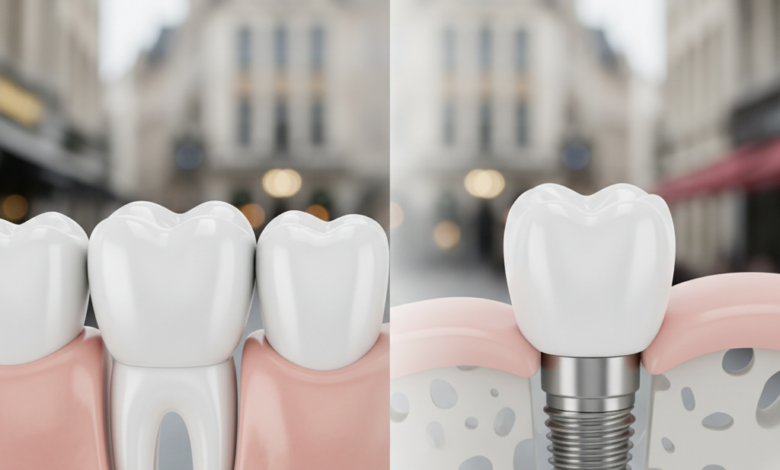
Tooth loss can significantly impact an individual’s quality of life, affecting everything from eating and speaking to self-confidence. For residents in Belgium facing this common dental challenge, the decision between dental bridges and dental implants is often at the forefront of their minds. Both solutions offer effective ways to restore missing teeth, but they differ fundamentally in their approach, procedure, longevity, and overall impact on oral health. Understanding these distinctions is crucial for making an informed choice that aligns with one’s personal needs, health status, and long-term expectations. This comprehensive guide will delve into the intricacies of each option, providing a detailed comparison to help individuals in Belgium and beyond navigate their restorative dental journey.
Understanding Dental Bridges: A Traditional Approach to Tooth Replacement
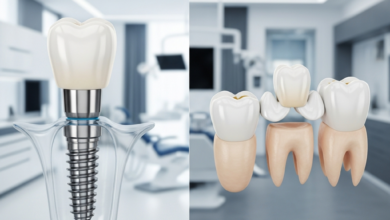
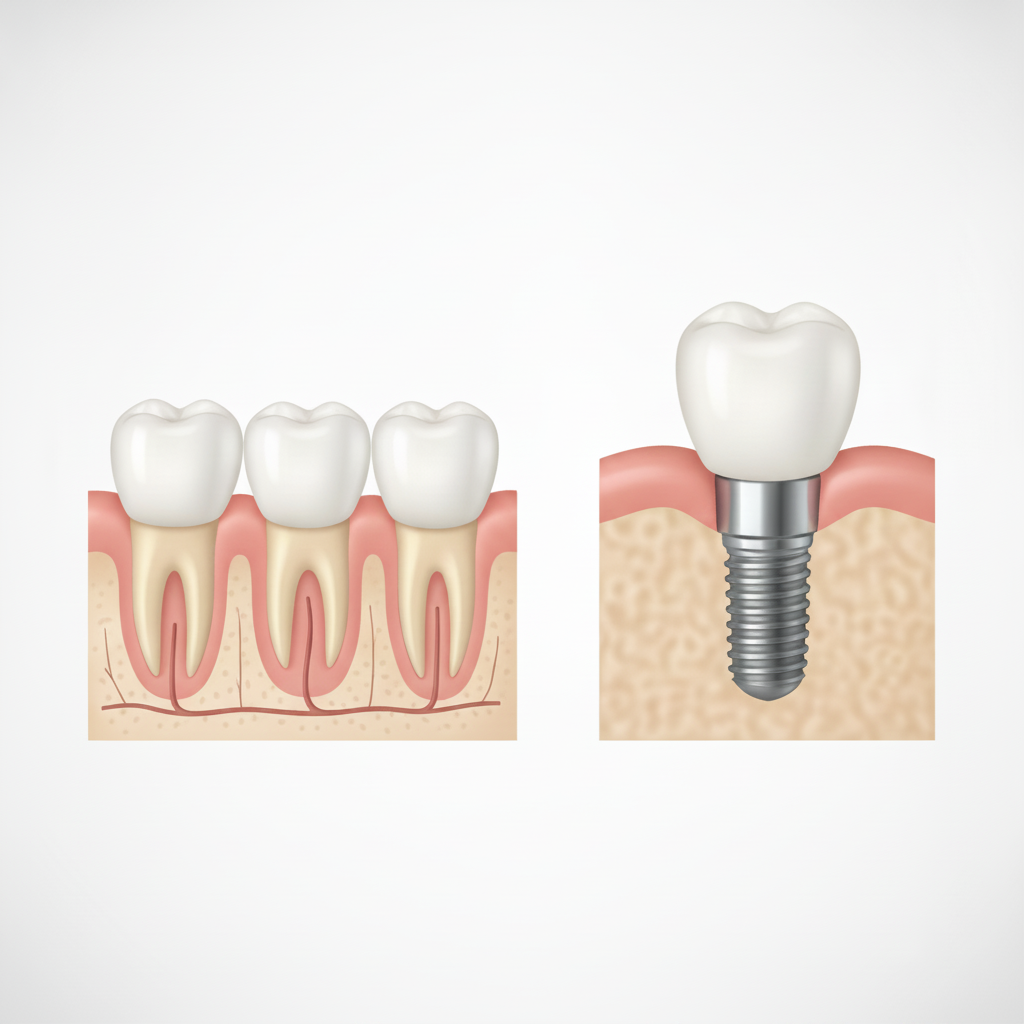
A dental bridge is a traditional restorative solution used to “bridge” the gap created by one or more missing teeth. It typically consists of an artificial tooth (pontic) held in place by dental crowns that are cemented onto the natural teeth adjacent to the gap. These adjacent teeth, known as abutment teeth, are crucial for supporting the bridge.
Types of Dental Bridges
There are several types of dental bridges, each suited for different situations:
- Traditional Bridges: These are the most common type, made of porcelain fused to metal or ceramics. They involve creating crowns for the abutment teeth on either side of the missing tooth or teeth.
- Cantilever Bridges: Used when there are only adjacent teeth on one side of the missing tooth. While an option, they are generally less common due to the increased stress on the single abutment tooth, which can lead to complications.
- Maryland Bonded Bridges (Resin-Bonded Bridges): These bridges use a metal or porcelain framework that is bonded to the back of the two adjacent teeth, requiring less alteration to the natural teeth. They are often used for front teeth where the biting force is less intense.
The Dental Bridge Procedure
The process of getting a traditional dental bridge typically involves two appointments. During the first visit, the dentist prepares the abutment teeth by reshaping them, which involves removing a portion of enamel to make space for the crowns. Impressions of the teeth are then taken and sent to a dental laboratory, where the bridge will be custom-made. A temporary bridge is usually placed to protect the prepared teeth in the interim. At the second appointment, the temporary bridge is removed, and the permanent bridge is checked for fit and aesthetics before being permanently cemented into place.
Advantages of Dental Bridges
Dental bridges offer several benefits. They are a quicker solution compared to implants, often completed within a few weeks. The procedure is less invasive, as it doesn’t involve surgery into the jawbone. They are generally more affordable upfront than dental implants. Bridges can effectively restore chewing ability and aesthetics, preventing adjacent teeth from shifting into the gap.
Disadvantages of Dental Bridges
Despite their benefits, bridges have significant drawbacks. The main concern is that they require the alteration of healthy adjacent teeth, which are permanently reduced in size to accommodate the crowns. This can make these teeth more susceptible to decay or sensitivity in the long run. Bridges also do not stimulate the jawbone beneath the missing tooth, which can lead to bone atrophy and changes in facial structure over time. Their lifespan is typically 5-15 years, meaning they will eventually need replacement.
Understanding Dental Implants: A Modern Solution for Permanent Tooth Replacement
Dental implants represent a revolutionary advancement in tooth replacement, offering a highly durable and natural-feeling solution. Unlike bridges, implants replace the tooth root itself, providing a stable foundation for a custom-made crown.
What are Dental Implants?
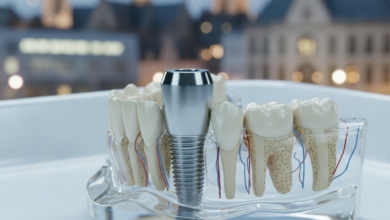
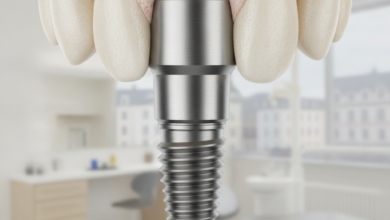
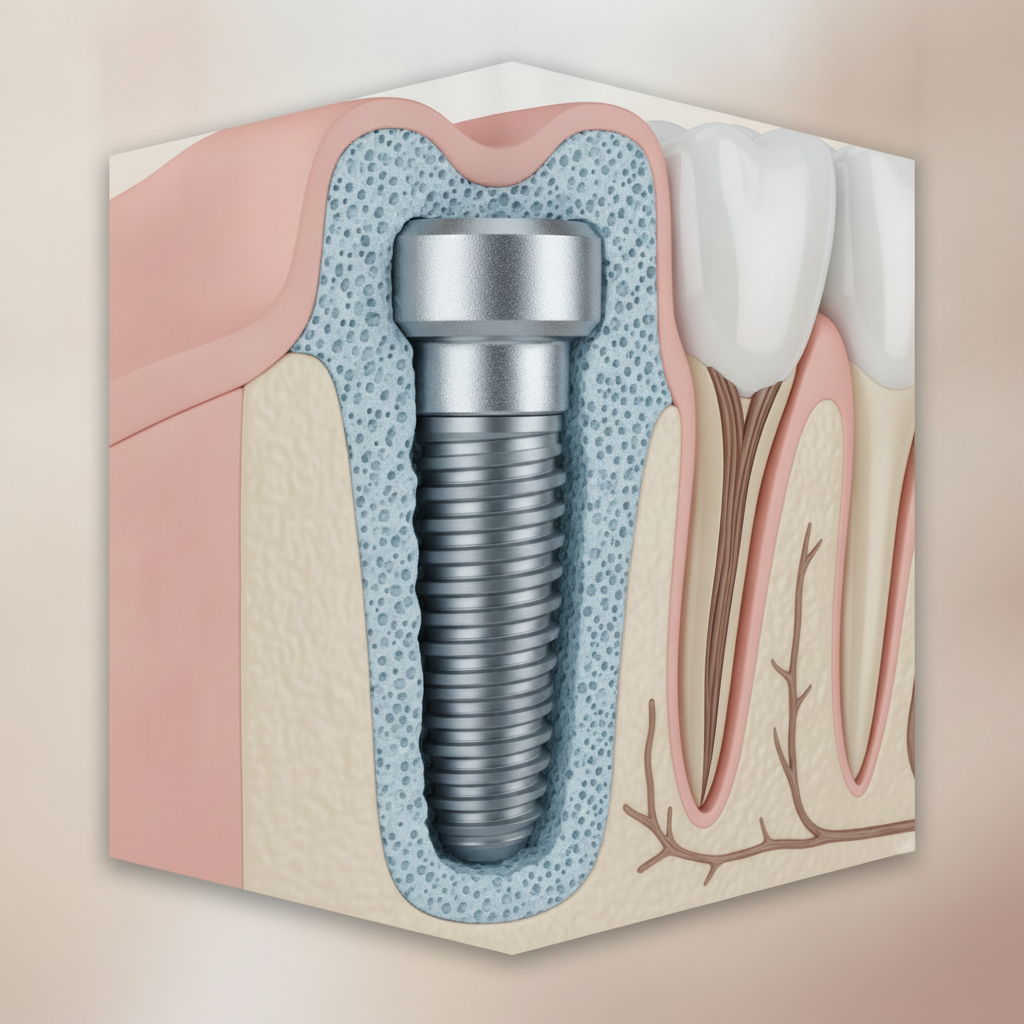
A dental implant is a small, screw-shaped post, usually made of titanium, which is surgically placed into the jawbone beneath the gum line. Titanium is biocompatible, meaning it fuses naturally with the bone in a process called osseointegration. Once fused, this implant acts as a sturdy anchor for an artificial tooth. The implant is then topped with an abutment, a small connector post, onto which a custom-made crown is attached.
The Dental Implant Procedure
The dental implant procedure is a multi-stage process that typically spans several months:
- Initial Consultation and Planning: This involves a thorough examination, including X-rays and 3D scans, to assess bone quality and quantity, and determine the precise placement of the implant.
- Implant Placement Surgery: The titanium implant post is surgically inserted into the jawbone. This is usually an outpatient procedure performed under local anesthesia.
- Osseointegration (Healing Period): After placement, a healing period of several months is required for the implant to fully fuse with the jawbone. This is a critical stage for the long-term success of the implant.
- Abutment Placement: Once osseointegration is complete, a minor surgical procedure might be needed to attach the abutment, which extends through the gum line. In some cases, the abutment is placed simultaneously with the implant.
- Crown Attachment: After the gums have healed around the abutment, impressions are taken to create a custom crown that matches the surrounding natural teeth. This crown is then cemented or screwed onto the abutment.
For a more detailed step-by-step guide on the procedure, you can refer to resources like Dental Implant Procedure Belgium Step by Step.
Advantages of Dental Implants
Dental implants offer numerous advantages. They are the closest replacement to natural teeth, both in look and feel. They stimulate the jawbone, preventing the bone loss that often occurs with missing teeth, thus preserving facial structure. Implants do not require the alteration of adjacent healthy teeth. With proper care, dental implants can last a lifetime, making them a very durable and long-term solution. They also have a very high success rate, often exceeding 95%.
Disadvantages of Dental Implants
The primary disadvantages of implants include a longer treatment timeline due to the healing period required for osseointegration, and a higher initial cost compared to bridges. The procedure is also more invasive, involving surgery. While complications are rare, they can include infection, nerve damage, or implant failure.
Dental Bridges vs Implants Belgium: A Detailed Comparison
When considering tooth replacement options, especially for individuals in Belgium who prioritize quality and long-term results, a direct comparison between dental bridges and implants is essential. The choice often comes down to balancing immediate needs with future oral health and financial considerations.
| Feature | Dental Bridges | Dental Implants |
|---|---|---|
| Procedure | Involves reshaping adjacent teeth; takes 2-3 weeks. | Surgical placement of titanium post into jawbone; takes 3-9 months (healing). |
| Impact on Adjacent Teeth | Requires grinding down healthy adjacent teeth for crowns. | Does not affect adjacent healthy teeth. |
| Bone Health Preservation | Does not stimulate jawbone; can lead to bone loss over time. | Stimulates jawbone, preventing bone loss and preserving facial structure. |
| Durability & Lifespan | Typically 5-15 years, may need replacement. | 15-25 years or even a lifetime with proper care; very durable. |
| Aesthetics | Good, but can sometimes show a dark line at the gum line over time. | Excellent, designed to look and feel like natural teeth. |
| Comfort & Functionality | Good, but may feel slightly less natural than implants. | Excellent, feels and functions most like natural teeth. |
| Maintenance | Requires special tools to clean under the bridge to prevent decay. | Similar to natural teeth (brushing, flossing). |
| Cost (Initial) | Generally lower upfront cost. | Higher initial investment, but often more cost-effective long-term. |
| Success Rate | Good, but can be affected by health of abutment teeth. | Very high, over 95% when performed by qualified professionals. |
Cost Considerations for Dental Bridges vs Implants in Belgium
The cost of dental procedures in Belgium, particularly for complex treatments like bridges and implants, can be a significant factor for many patients. While the quality of dental care in Belgium is generally very high, the associated costs can sometimes lead patients to explore options abroad where high-quality treatment may be more accessible financially. Dental implants, being a more complex and long-term solution, typically have a higher initial price tag than bridges. However, when considering the lifespan of each option – implants can last a lifetime, while bridges often need replacement after 10-15 years – the long-term cost-effectiveness of implants often surpasses that of bridges. This is an important consideration for budget-conscious patients, as repeated bridge replacements can accumulate significant expenses over time.
Factors Influencing Your Choice
Choosing between a dental bridge and a dental implant requires careful consideration of several individual factors.
Oral Health and Bone Density
For dental implants to be successful, sufficient jawbone density is crucial to support the titanium post. If bone loss has occurred, bone grafting procedures may be necessary, adding to the treatment time and cost. Dental bridges, on the other hand, do not require adequate bone density as they are supported by adjacent teeth. However, the health of these abutment teeth is paramount for the bridge’s success.
Number and Location of Missing Teeth
If only one tooth is missing, both options are viable. For multiple missing teeth in a row, a bridge can span the gap, or multiple implants can be placed. The location of the missing teeth can also influence the choice; for instance, implants are often preferred in the front of the mouth for superior aesthetics and bone preservation.
Budget and Timeframe
While implants are a larger upfront investment, their longevity can make them more economical in the long run. Bridges offer a quicker, less expensive initial solution. Patients must weigh their immediate financial capabilities against the potential for future expenses and the long-term benefits.
Patient Preferences and Lifestyle
Some patients prefer a less invasive procedure, making bridges a more appealing option. Others prioritize the natural feel and long-term stability of implants, which allow for unrestricted eating and easier maintenance. A patient’s lifestyle, including oral hygiene habits and commitment to follow-up care, also plays a role.
The Importance of Professional Consultation
This personalized assessment ensures that you receive a recommendation that not only restores your smile but also promotes long-term oral health and well-being. Whether you opt for dental bridges or implants, making an informed decision with the guidance of an experienced professional is the best path forward. For more scientific information on dental implants, you can consult reputable sources such as Wikipedia’s entry on Dental Implants.