
Veneers in Belgium: Procedure and Results
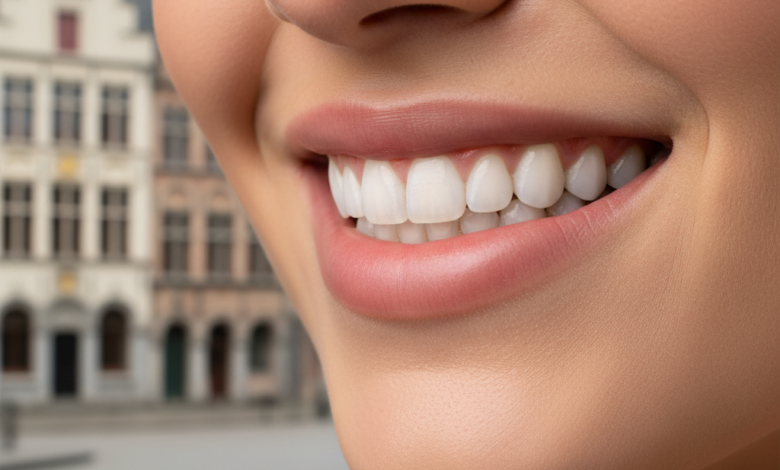
The decision to opt for veneers is often driven by a desire for significant aesthetic improvement. Patients typically seek veneers to address several common dental concerns:

Veneers in Belgium: Procedure and Results
Veneers are a transformative cosmetic dental solution designed to dramatically enhance the appearance of one’s smile. These custom-made, thin shells are meticulously crafted to cover the front surface of teeth, correcting a range of aesthetic imperfections from discoloration and chips to minor misalignments and gaps. For individuals seeking a radiant and uniform smile, veneers offer a durable and highly effective option. While Turkey has emerged as a prominent destination for dental tourism due to its advanced facilities and competitive pricing, understanding the landscape of dental treatments, including veneers, in countries like Belgium is crucial for those considering local options or comparing international standards. This comprehensive guide delves into the procedure, expected results, and essential considerations for individuals exploring veneers in Belgium, aiming to provide a high-authority resource for informed decision-making.
Understanding Dental Veneers
Dental veneers are not merely a cosmetic fix; they are a sophisticated dental restoration that requires precision, artistry, and expertise. Primarily made from porcelain or composite resin, these custom shells are bonded to the front of the teeth, effectively redesigning their shape, size, color, and length. Porcelain veneers are renowned for their strength, natural appearance, and resistance to staining, offering a long-lasting solution that mimics the light-reflecting properties of natural tooth enamel. Composite veneers, while often less expensive, are fabricated directly on the tooth in a single visit and can be a good option for minor corrections, though they may not offer the same level of stain resistance or longevity as porcelain.
Why Choose Veneers for Your Smile Transformation?
- Severe Discoloration: Teeth that are deeply stained and do not respond to professional whitening treatments.
- Chipped or Broken Teeth: Repairing minor damage to restore tooth integrity and appearance.
- Gaps Between Teeth: Closing small spaces without the need for orthodontic treatment.
- Misaligned or Uneven Teeth: Correcting minor irregularities for a straighter-looking smile.
- Worn-Down Teeth: Restoring the original length and shape of teeth that have been shortened due to grinding or erosion.
Beyond aesthetics, veneers can also offer a protective layer for teeth with damaged enamel, although their primary function remains cosmetic enhancement. The result is a uniformly appealing smile that can significantly boost confidence and improve overall quality of life.
The Veneer Procedure in Belgium: A Step-by-Step Guide
Undergoing the veneer procedure typically involves several appointments, ensuring meticulous planning and customization for optimal results. While slight variations may occur between clinics, the general process for veneers in Belgium follows a well-established protocol, reflecting high standards of dental care.
Initial Consultation and Smile Design
The journey begins with a thorough consultation with a qualified dentist. During this initial visit, the dentist will assess your oral health, discuss your aesthetic goals, and determine if veneers are the most suitable treatment option for you. This stage often involves taking X-rays, photographs, and impressions of your teeth. Advanced clinics may utilize digital smile design technology, allowing you to visualize your potential new smile before the treatment even begins. This collaborative approach ensures that the final result aligns perfectly with your expectations.
Preparation of Teeth
For porcelain veneers, a small amount of enamel (approximately 0.5 to 1 millimeter) is typically removed from the front surface of the teeth. This preparation creates space for the veneer, ensuring a natural fit and preventing the smile from appearing bulky. This step is crucial for the longevity and aesthetic integration of the veneers. For composite veneers, minimal or no enamel removal might be required. After preparation, new impressions of your teeth are taken and sent to a dental laboratory, where skilled technicians custom-fabricate your veneers. Temporary veneers may be placed to protect your prepared teeth and maintain aesthetics while you await your permanent ones.
Bonding of Veneers
Once the custom veneers arrive from the lab, you will return for your final appointment. The dentist will first place the veneers on your teeth temporarily to check their fit, color, and shape. Any necessary adjustments can be made at this stage. Once both you and the dentist are satisfied, the teeth are thoroughly cleaned and polished. A special dental cement is applied to the veneers, which are then carefully bonded to the tooth surface using a high-intensity light. This light activates chemicals in the cement, causing it to harden rapidly and securely attach the veneer. The dentist will then trim any excess cement and check your bite, making final adjustments to ensure comfort and proper occlusion.
| Procedure Step | Description | Typical Duration |
|---|---|---|
| Initial Consultation | Oral health assessment, discussion of goals, X-rays, impressions, digital smile design. | 1-2 hours |
| Tooth Preparation | Removal of a thin layer of enamel, taking final impressions, placement of temporary veneers (for porcelain). | 1-3 hours (per arch) |
| Veneer Fabrication | Custom creation of veneers in a dental laboratory based on impressions. | 1-2 weeks |
| Veneer Bonding | Trial placement, cleaning teeth, bonding veneers with dental cement and light curing, final adjustments. | 1-3 hours (per arch) |
Results and Aftercare
Immediately after the bonding process, you will be able to see and feel your new smile. The results of veneers are often dramatic, providing a significant enhancement in symmetry, brightness, and overall tooth aesthetics. Most patients report increased confidence and satisfaction with their appearance.
Proper aftercare is essential to maximize the longevity of your veneers. While porcelain veneers are highly resistant to stains, it is still advisable to maintain good oral hygiene practices, including regular brushing, flossing, and routine dental check-ups. Avoiding habits such as biting on hard objects, grinding teeth, or using teeth as tools can prevent damage. If you clench or grind your teeth, your dentist might recommend a night guard to protect your investment. With diligent care, porcelain veneers can last 10-15 years or even longer, while composite veneers typically last 5-7 years before needing repair or replacement. For further reading on dental procedures, a comprehensive resource on various veneers and smile design options can provide more insights.
Cost Considerations for Veneers in Belgium
The cost of veneers in Belgium can vary significantly depending on several factors, including the type of veneer (porcelain vs. composite), the number of veneers required, the dentist’s experience, the clinic’s location and reputation, and any additional treatments needed (e.g., gum contouring, tooth whitening before veneer placement). Porcelain veneers are generally more expensive than composite veneers due to the laboratory fabrication process and the material’s superior durability and aesthetics. Patients considering dental work should consult with their chosen clinic for a detailed cost breakdown, as prices can be influenced by regional differences within Belgium. It is always wise to inquire about inclusive packages that might cover initial consultations, temporary veneers, and follow-up appointments.
Choosing the Right Dental Clinic for Veneers in Belgium
Selecting a reputable dental clinic is paramount for a successful veneer treatment. When researching options for veneers in Belgium, consider the following criteria:
- Dentist’s Expertise: Look for dentists with extensive experience and specialized training in cosmetic dentistry and veneer placements. Review their portfolio of before-and-after cases.
- Clinic Reputation: Read patient testimonials and reviews. A clinic with a strong positive reputation often indicates high patient satisfaction and quality care.
- Technology and Facilities: Modern dental clinics utilize advanced technology for diagnosis, treatment planning (like digital smile design), and veneer fabrication, which can contribute to more precise and aesthetically pleasing results.
- Communication: Ensure clear and transparent communication regarding the treatment plan, costs, and expected outcomes.
- Hygiene Standards: Verify that the clinic adheres to stringent sterilization and hygiene protocols.
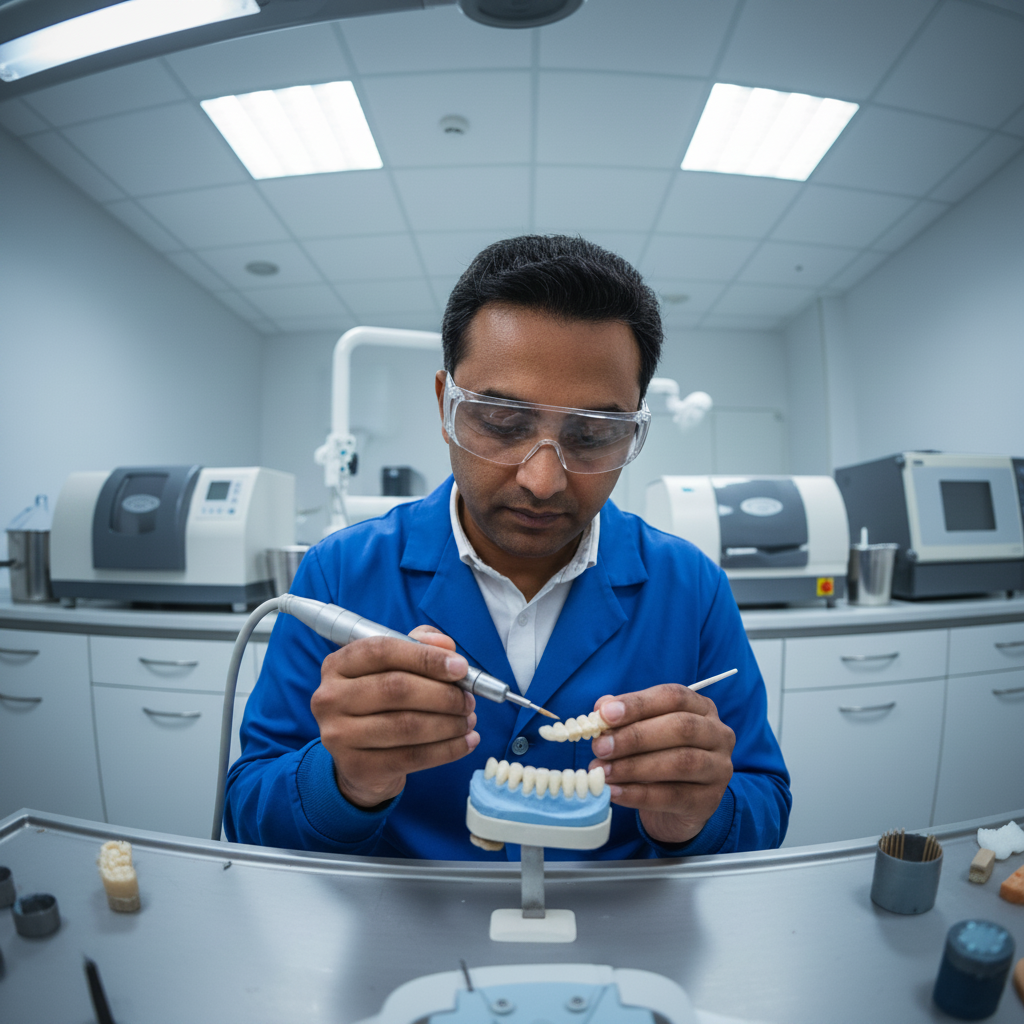
While Belgium upholds high standards of dental care, making an informed choice about your provider is crucial for achieving your desired smile transformation. Investing time in research and consultation will ensure that your journey to a new smile is both safe and satisfying.


One Comment