Root Canal Cost Belgium – What to Expect
Root Canal Cost Belgium – What to Expect
A throbbing toothache can be one of the most debilitating pains, often signaling a deeper problem within the tooth’s pulp. When the nerve and pulp inside a tooth become infected or inflamed, a root canal treatment becomes not just a recommendation, but a necessity to save the tooth and alleviate severe discomfort. For many individuals residing in or considering dental treatment in Belgium, understanding the financial implications of such a vital procedure is a primary concern. This comprehensive guide will delve into the intricacies of root canal treatment, outline the factors that influence its cost in Belgium, and provide insights into what patients can expect throughout their journey to restored oral health. Navigating dental care, especially advanced procedures like root canals, requires clear information on both the medical process and the associated expenses. Belgium’s healthcare system offers high standards, but costs can vary significantly based on location, specialist expertise, and the complexity of the case. By shedding light on these aspects, this article aims to equip patients with the knowledge needed to make informed decisions about their dental health.
What is a Root Canal Treatment?
Root canal treatment, also known as endodontic therapy, is a dental procedure designed to remove bacteria and infected or dead tissue from inside a tooth. This vital treatment aims to save a tooth that might otherwise need to be extracted. The interior of a tooth contains a soft tissue called the pulp, which houses nerves, blood vessels, and connective tissue. When this pulp becomes inflamed or infected due to deep decay, repeated dental procedures on the tooth, faulty crowns, or a crack or chip in the tooth, it can lead to significant pain, swelling, and sensitivity. Untreated, this infection can spread to the jawbone, forming an abscess and potentially leading to more severe health issues. The primary goal of a root canal is to clean out the infected pulp, disinfect the inside of the tooth, and then fill and seal it to prevent further infection. This procedure allows the tooth to remain in the mouth, preserving natural chewing function and maintaining the aesthetic appeal of your smile.
Symptoms Indicating a Need for Treatment
Recognizing the signs that might necessitate a root canal is crucial for prompt treatment and preventing further damage. While only a dental professional can accurately diagnose the need for endodontic therapy, common symptoms include:
- Severe toothache pain that may spread to the jaw, ear, or temple, especially when chewing or biting.
- Prolonged sensitivity to hot or cold temperatures, even after the source of heat or cold has been removed.
- Tenderness or swelling in the gums surrounding the affected tooth.
- A small, pimple-like bump on the gums near the infected tooth (known as a fistula), which may release pus.
- Discoloration or darkening of the tooth.
- Tenderness or swelling in the lymph nodes under the jaw.
Experiencing any of these symptoms warrants an immediate visit to a dentist for a thorough examination and diagnosis, which often includes X-rays to assess the extent of the infection and damage to the pulp.
The Root Canal Procedure: A Detailed Overview
Understanding the steps involved in a root canal can help alleviate any anxiety patients might have about the treatment. It is a highly effective and routine procedure performed by general dentists or endodontists (root canal specialists).
Initial Diagnosis and Preparation
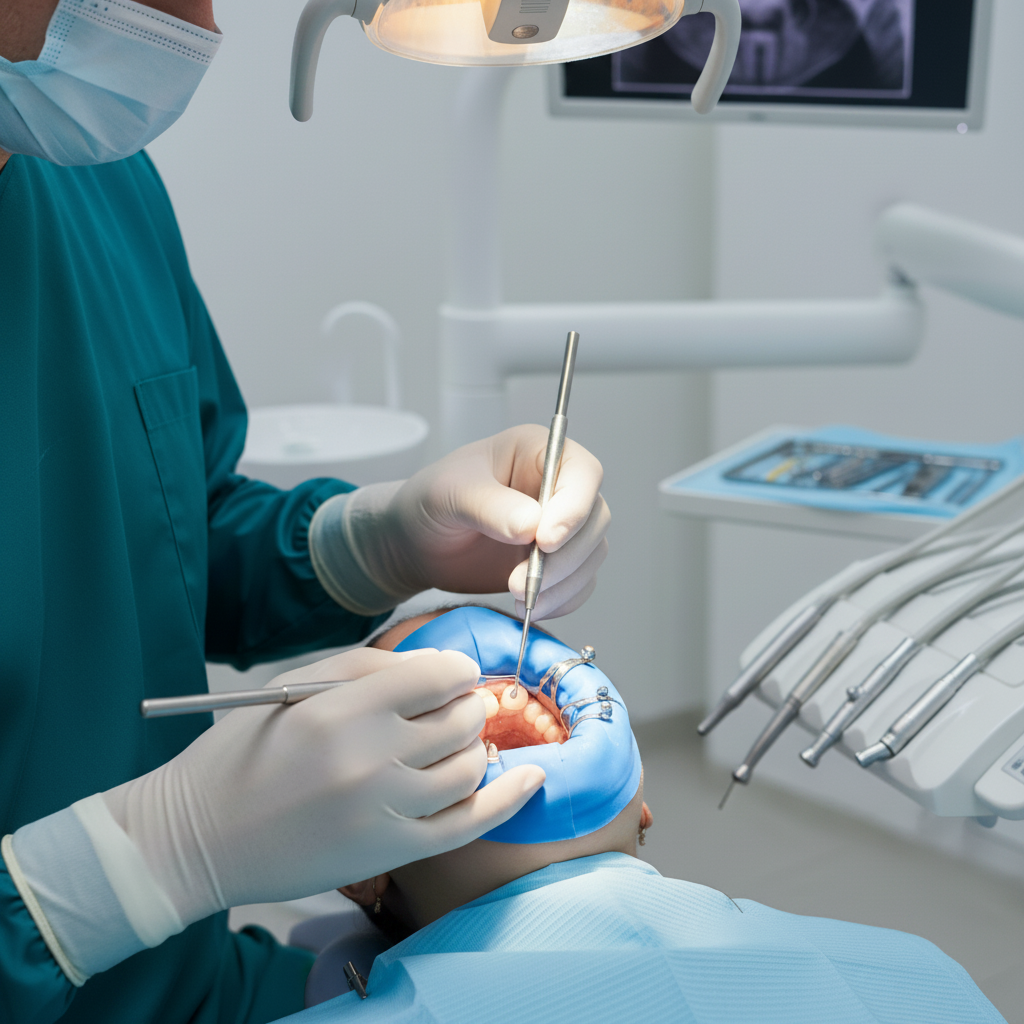
The process begins with a comprehensive dental examination, including detailed X-rays to visualize the extent of the infection and the anatomy of the root canals. Once the need for a root canal is confirmed, the dentist will administer a local anesthetic to numb the tooth and surrounding area, ensuring a pain-free experience during the procedure. A dental dam, a small sheet of latex or non-latex material, is then placed around the affected tooth to isolate it, keeping it clean and dry from saliva during the treatment.
Access and Cleaning
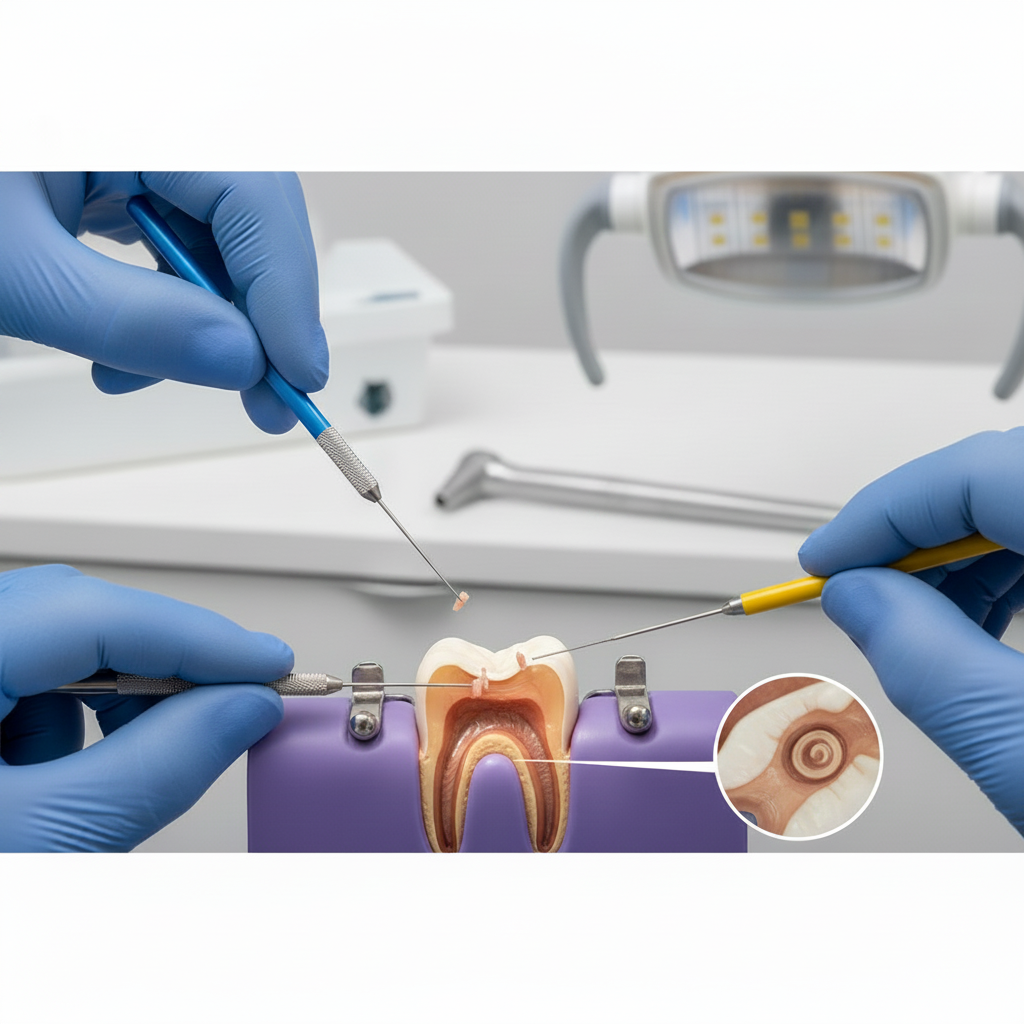
A small opening is created through the crown of the tooth to access the pulp chamber and root canals. Using specialized instruments called files, the infected and inflamed pulp is carefully removed from the pulp chamber and root canals. The canals are then thoroughly cleaned, shaped, and disinfected using antibacterial solutions to remove any remaining bacteria and debris. This meticulous cleaning is crucial for the success of the treatment.
Filling and Sealing the Canal
After the canals are thoroughly cleaned and disinfected, they are dried and then filled with a biocompatible, rubber-like material called gutta-percha. This material is typically sealed in place with an adhesive cement to ensure the canals are completely filled and sealed, preventing reinfection.
Final Restoration
Once the root canals are sealed, a temporary filling is placed in the access opening to protect the tooth until a permanent restoration can be applied. In most cases, a permanent crown is necessary after a root canal to protect the treated tooth from fracture and restore its full function. The tooth, especially a molar, becomes more brittle after a root canal as it no longer has its vital pulp. This final restoration is a critical step in ensuring the long-term success and durability of the root canal treated tooth. For more information on subsequent restorative procedures, consider learning about dental crown costs in Belgium.
Factors Influencing Root Canal Cost Belgium
The cost of a root canal treatment in Belgium can vary widely, influenced by several key factors. Transparency regarding these variables is essential for patients to anticipate expenses accurately.
Tooth Position and Complexity
The location of the tooth requiring treatment is a primary determinant of cost. Front teeth (incisors and canines) typically have a single root canal and are generally the least expensive to treat. Premolars (bicuspids), located in the middle of the mouth, usually have one or two canals and represent a moderate cost. Molars, the back teeth, are the most complex, often having three or more canals that can be curved or difficult to access. This increased complexity and chair time translate to higher costs.
Severity of Infection
A more severe or widespread infection, especially one that has led to an abscess, may require additional treatments such as drainage, antibiotics, or more extensive cleaning. Re-treatment of a previously failed root canal is also more complicated and, therefore, more expensive than an initial procedure.
Additional Treatments Required
The cost of the root canal procedure itself often does not include the final restoration. As mentioned, a dental crown is frequently recommended or required after a root canal to protect the weakened tooth. The type of crown (porcelain, ceramic, metal, etc.) will significantly impact the overall expense. Other additional procedures like post and core buildup (to support the crown if there isn’t enough natural tooth structure left) also add to the total cost. Diagnostic X-rays and initial consultations are usually separate charges as well.
Geographic Location and Clinic Reputation
Dental fees can differ based on the region within Belgium. Practices in major cities like Brussels or Antwerp might have higher overheads, potentially leading to higher prices than those in smaller towns. Furthermore, the reputation and experience of the dentist or endodontist also play a role. Specialists (endodontists) typically charge more than general dentists due to their advanced training and expertise.
Root Canal Cost Belgium – Average Prices
To provide a clear understanding of potential expenses, here is an estimated breakdown of root canal costs in Belgium. These figures are general averages and can fluctuate based on the specific clinic, the complexity of the case, and any additional services.
| Factor | Description | Estimated Cost Range (EUR) |
|---|---|---|
| Front Tooth (Incisor/Canine) | Typically simpler, single canal | €300 – €600 |
| Premolar (Bicuspid) | Two canals, moderate complexity | €500 – €800 |
| Molar (Back Tooth) | Three or more canals, most complex | €700 – €1200+ |
| Re-treatment (Failed Root Canal) | More complex, removal of previous filling | €800 – €1500+ |
| Post & Core Buildup (if needed) | To support a crown on a severely damaged tooth | €150 – €350 |
| Dental Crown (after root canal) | Essential for long-term protection, separate cost | €500 – €1500+ (depending on material) |
| Diagnostic X-rays | Initial assessment, often included in overall fee or separate small charge | €20 – €50 |
| Emergency Consultation | If urgent assessment is required | €50 – €100 |
Understanding Belgian Dental Insurance and Alternative Solutions
Navigating dental insurance and potential reimbursement for root canal treatments in Belgium can be complex. The Belgian healthcare system provides some level of reimbursement for dental care, but the extent of coverage for a root canal can vary significantly. Basic compulsory health insurance (via a mutuality or “mutualiteit/mutuelle”) typically covers a portion of preventive care and some standard treatments. However, for more specialized procedures like root canals, the reimbursement may only cover a small percentage of the actual cost, particularly if performed by a non-contracted dentist or specialist who charges above the official tariffs.
Navigating Reimbursement Policies
Many patients opt for supplementary dental insurance plans, often offered by private insurers or through their mutuality, to gain better coverage for more expensive procedures. These plans can significantly reduce out-of-pocket expenses for root canals, crowns, and other major treatments. It is vital to thoroughly review your insurance policy, understand its limitations, waiting periods, and the specific procedures it covers. Always inquire with your dental clinic about their billing practices and their affiliation with national health insurance schemes or supplementary providers. They can often assist in determining your estimated out-of-pocket costs after insurance. For those seeking cost-effective solutions or without extensive insurance coverage, considering dental tourism to countries known for high-quality, more affordable dental care, such as Turkey, has become a popular alternative. These options can provide substantial savings, especially for comprehensive treatments.
Long-Term Benefits and Considerations of Root Canal Treatment
Investing in a root canal treatment offers significant long-term benefits beyond immediate pain relief. Saving a natural tooth through endodontic therapy is almost always preferable to extraction and replacement.
Maintaining Oral Health Post-Procedure
Preserving your natural tooth prevents adjacent teeth from shifting, which can lead to bite problems, jaw pain, and difficulty in cleaning. It also maintains the natural alignment of your smile and avoids the need for more expensive and invasive procedures like dental implants or bridges to replace a missing tooth. With proper care, including good oral hygiene practices (brushing, flossing), regular dental check-ups, and the placement of a permanent restoration like a crown, a root canal-treated tooth can last a lifetime. The success rate of root canal treatment is very high, often exceeding 95% when performed correctly. While the tooth itself no longer has a living pulp, it continues to be nourished by the surrounding tissues and functions just like any other tooth. Post-procedure, it’s essential to avoid biting on hard foods until the permanent crown is placed and to maintain diligent oral hygiene to prevent decay in other parts of the tooth or adjacent teeth. Following your dentist’s aftercare instructions carefully will ensure the longevity and success of your root canal treatment, preserving your smile and overall oral health for years to come.
Root canal treatment in Belgium, while an investment, is a highly effective and necessary procedure for alleviating pain and preserving a damaged tooth. Understanding the cost factors, exploring insurance options, and selecting an experienced dental professional are all critical steps in ensuring a successful outcome. By being well-informed, patients can approach this vital dental procedure with confidence, knowing they are making a beneficial decision for their long-term oral health.