Dental Crown Cost Belgium – Complete Breakdown
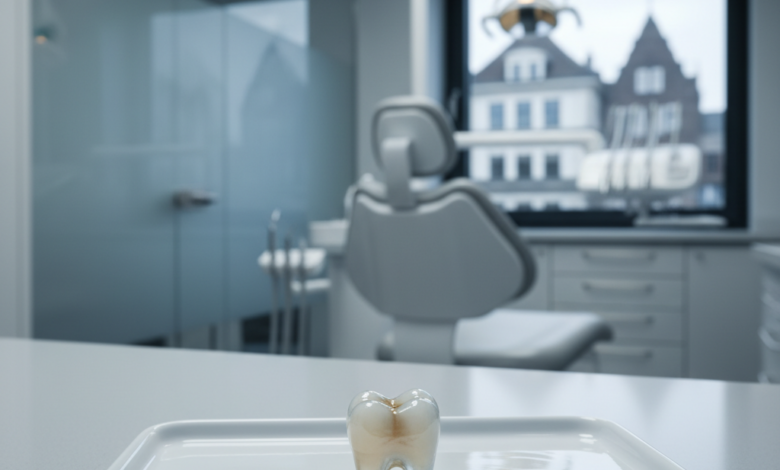
Getting a dental crown is a significant investment in your oral health and aesthetics. For residents in Belgium, understanding the various factors that influence the cost is crucial for informed decision-making. A dental crown, often referred to as a “cap,” is a custom-made restoration that covers the entire visible portion of a tooth above the gum line. It serves to restore a tooth’s shape, size, strength, and improve its appearance. Crowns are a common solution for teeth that are severely decayed, broken, worn down, or have undergone a root canal procedure, providing protection and structural integrity.
Dental Crown Cost Belgium – Complete Breakdown
Understanding Dental Crowns and Their Importance
A dental crown acts as a protective shield for a damaged tooth, preventing further decay or fracture. Beyond protection, crowns also play a vital role in restoring the functionality of a tooth, allowing for proper chewing and speaking. From a cosmetic perspective, crowns can dramatically improve the aesthetics of discolored or misshapen teeth, contributing to a more confident smile. The decision to get a dental crown is often made in consultation with a dentist, considering the extent of tooth damage, the patient’s overall oral health, and their aesthetic goals. For a general understanding of dental crowns, their types, and uses, you can refer to authoritative sources such as Wikipedia’s entry on Dental Crowns.
What is a Dental Crown Used For?
Dental crowns are versatile and serve multiple purposes in restorative and cosmetic dentistry. They are typically recommended in the following scenarios:
- To protect a weak tooth from breaking or to hold together parts of a cracked tooth.
- To restore an already broken tooth or a tooth that has been severely worn down.
- To cover and support a tooth with a large filling when there isn’t much tooth left.
- To hold a dental bridge in place.
- To cover severely discolored or misshapen teeth.
- To cover a dental implant.
- To make a cosmetic modification.
The material chosen for a crown significantly impacts its durability, appearance, and, critically, its cost. Different materials offer varying levels of strength, natural aesthetics, and biocompatibility, catering to diverse patient needs and preferences.
Types of Dental Crowns and Their Materials
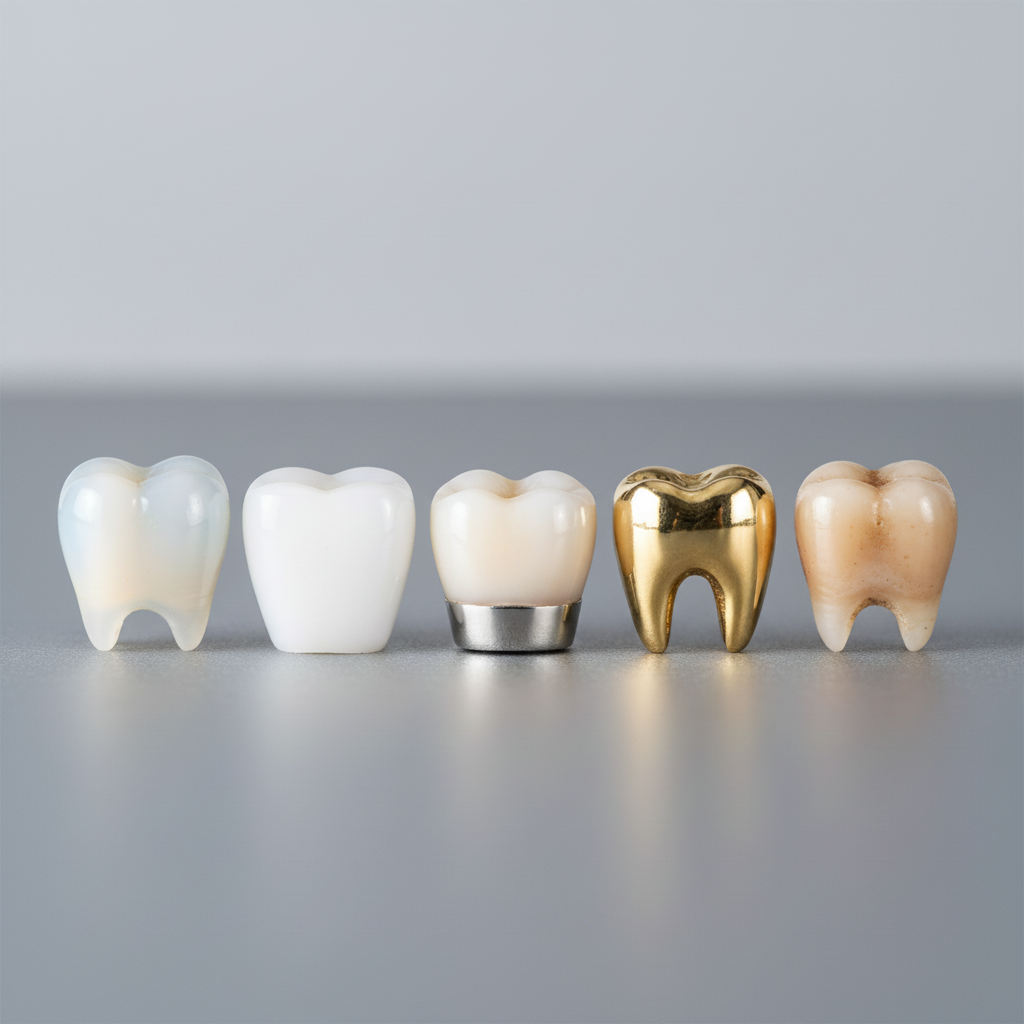
The cost of a dental crown in Belgium is primarily influenced by the material used. Each material offers distinct advantages and disadvantages, affecting both performance and price.
Zirconia Crowns
Zirconia crowns are increasingly popular due to their exceptional strength and natural appearance. Made from zirconium dioxide, a very durable ceramic material, they are highly biocompatible and resistant to wear. They are an excellent choice for both front and back teeth, offering a strong, long-lasting, and aesthetically pleasing solution that can be matched closely to natural tooth color.
E-max Crowns
E-max crowns are a type of all-ceramic crown made from lithium disilicate glass-ceramic. Renowned for their translucent quality, they mimic the natural translucency of tooth enamel, making them an ideal choice for front teeth where aesthetics are paramount. While very strong for an all-ceramic option, they may not be as robust as zirconia for heavy biting forces in the back of the mouth.
Porcelain-Fused-to-Metal (PFM) Crowns
PFM crowns have been a traditional choice for many years. They consist of a metal substructure covered with a layer of porcelain. This combination offers good strength from the metal and a natural appearance from the porcelain. However, the metal base can sometimes show through as a dark line at the gum line, especially as gums recede, and the porcelain layer can chip.
Full Metal Crowns (Gold or Other Alloys)
Metal crowns, often made from gold alloys, palladium, nickel, or chromium, are highly durable and resistant to fracture and wear. They require minimal tooth removal compared to other types. While excellent for strength and longevity, their metallic color makes them less aesthetically suitable for visible teeth. They are typically reserved for molars where biting forces are strongest and visibility is low.
Composite Crowns
Composite crowns are made from a resin material similar to that used for fillings. They are the most affordable option but are generally less durable and more prone to wear and staining compared to ceramic or metal crowns. They are often considered a temporary solution or for less demanding applications.
Here’s a breakdown of approximate cost ranges for different crown types in Belgium:
| Crown Type | Material Characteristics | Average Cost Range in Belgium (EUR) | Aesthetic Appeal | Durability |
|---|---|---|---|---|
| Zirconia | High-strength ceramic (zirconium dioxide) | €600 – €1200 | Excellent, natural-looking | Very High |
| E-max | Lithium disilicate glass-ceramic | €550 – €1100 | Superior, highly translucent | High (Good for front teeth) |
| Porcelain-Fused-to-Metal (PFM) | Metal substructure with porcelain layer | €450 – €900 | Good, but metal line visible over time | High |
| Full Metal (Gold/Alloy) | Gold, palladium, nickel, chromium alloys | €500 – €1000 (varies with metal price) | Low (metallic color) | Exceptional |
| Composite | Resin material | €300 – €600 | Moderate, prone to staining | Moderate (often temporary) |
Factors Influencing Dental Crown Cost Belgium Beyond Material
While the choice of material is a primary cost driver, several other factors contribute to the final price of a dental crown in Belgium.
Location and Clinic Prestige
Dental clinics in major cities like Brussels, Antwerp, or Ghent may have higher overheads, leading to higher prices compared to those in smaller towns or rural areas. Similarly, clinics with state-of-the-art technology, specialized dentists, or a premium brand reputation may charge more for their services.
Dentist’s Expertise and Experience
Highly experienced dentists or specialists in cosmetic and restorative dentistry may command higher fees for their services, reflecting their skill and knowledge in complex cases.
Complexity of the Procedure
The condition of the tooth requiring a crown significantly impacts the overall cost. If additional procedures are needed before the crown can be placed, such as a root canal, gum treatment, or a core buildup to provide sufficient tooth structure for the crown, these will add to the total expense. The complexity of preparing the tooth and ensuring proper fit and bite alignment also plays a role.
Diagnostic Procedures
The initial consultation typically involves X-rays, and sometimes 3D scans, to assess the tooth’s condition and plan the treatment. These diagnostic services are usually billed separately.
Laboratory Fees
Most dental crowns are fabricated in external dental laboratories. The quality and sophistication of the lab, as well as the materials used, contribute to the lab fees, which are passed on to the patient. Some advanced clinics may have in-house milling machines for same-day crowns (e.g., CEREC), which can sometimes affect pricing.
Follow-up Appointments and Adjustments
The initial cost generally includes the placement of the crown and a follow-up visit for adjustments. However, extensive follow-up or additional adjustments outside the standard protocol might incur extra charges.
The Dental Crown Procedure: A Step-by-Step Guide
The process of getting a dental crown typically involves two visits to the dentist, although same-day crowns are sometimes an option with specific technologies.
Initial Consultation and Diagnosis
The first step involves a thorough examination of the tooth, including X-rays, to assess its condition and determine if a crown is the most suitable treatment. The dentist will discuss material options and answer any questions.
Tooth Preparation
During the first treatment visit, the tooth receiving the crown is carefully prepared. This involves reshaping the tooth to make room for the crown. The amount of tooth removed depends on the type of crown. If there isn’t enough tooth structure, the dentist might perform a core buildup using a filling material.
Impressions
After preparation, impressions of the prepared tooth and the surrounding teeth are taken. These impressions are sent to a dental lab, which uses them to custom-fabricate the crown to ensure a precise fit and natural bite alignment. Digital impressions using intraoral scanners are also becoming more common.
Temporary Crown Placement
While the permanent crown is being made (which can take a week or two), a temporary crown is placed over the prepared tooth. This protects the tooth, prevents sensitivity, and maintains proper spacing.
Permanent Crown Placement
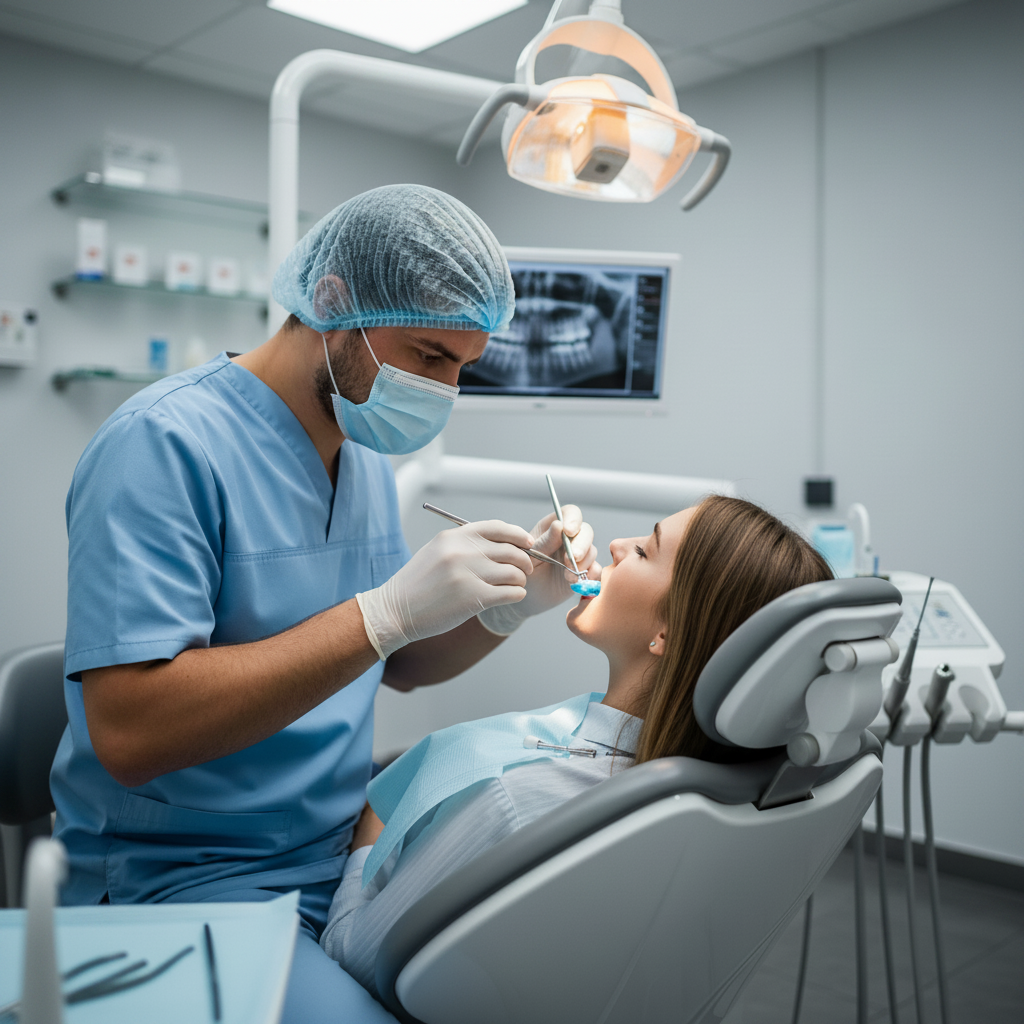
At the second visit, the temporary crown is removed. The dentist will check the fit, color, and bite of the permanent crown. If everything is satisfactory, the crown is then permanently cemented onto the prepared tooth. Final adjustments may be made to ensure comfort and proper occlusion. This procedure is a common offering within dental procedures designed to restore oral health and aesthetics.
Dental Insurance and Reimbursement in Belgium
In Belgium, dental insurance and reimbursement for dental crowns can vary significantly. The national health insurance (mutuelle/ziekenfonds) typically provides partial reimbursement for certain dental procedures, but the coverage for crowns often depends on the type of crown and the patient’s age. Supplemental private dental insurance plans are available and can offer more comprehensive coverage, significantly reducing out-of-pocket expenses for treatments like crowns. It is highly recommended to check with your specific insurance provider regarding their policies on dental crown coverage before beginning treatment.
Why Choose a Dental Crown? Benefits and Longevity
The benefits of dental crowns extend beyond simply restoring a damaged tooth. They provide a long-term solution for maintaining oral health and enhancing the quality of life.
Restores Function and Aesthetics
A crown allows you to chew and speak normally again, free from discomfort or self-consciousness. It also seamlessly blends with your natural teeth, restoring the beauty of your smile.
Protects Weakened Teeth
By encapsulating the entire tooth, a crown provides superior protection against further damage, especially after extensive decay or a root canal.
Durable and Long-Lasting
With proper oral hygiene and regular dental check-ups, dental crowns can last for 10 to 15 years, and sometimes even longer, making them a durable and cost-effective solution in the long run.
Improved Oral Health
By restoring the integrity of a damaged tooth, crowns prevent further dental problems that could arise from untreated issues, such as misalignment or severe infection.
Considering Dental Tourism for Crowns
While Belgium offers high standards of dental care, the costs can be a significant factor for many patients. This has led to a growing trend of dental tourism, where individuals travel to other countries for more affordable dental treatments without compromising on quality. Countries like Turkey have become popular destinations for dental procedures, including crowns, offering competitive pricing, advanced technology, and experienced dental professionals. This option allows patients to receive high-quality restorations while potentially enjoying significant cost savings, making advanced dental care more accessible.
Making an informed decision about dental crowns involves considering the various types, understanding the cost components, and exploring all available options to find the best balance of quality, aesthetics, and affordability.