How Much Do Veneers Cost in Belgium?
How Much Do Veneers Cost in Belgium?
Dental veneers have become a highly sought-after cosmetic solution for individuals looking to enhance their smile. These custom-made, thin shells are bonded to the front surface of teeth to correct a variety of aesthetic concerns, including discoloration, chips, cracks, gaps, and minor misalignment. Belgium, known for its high-quality healthcare standards and advanced dental practices, offers excellent options for veneer treatments. However, understanding the financial investment required is crucial for anyone considering this transformative procedure. The cost of veneers in Belgium can vary significantly based on several factors, making it essential to delve into the specifics to gain a comprehensive overview.
The decision to invest in veneers is often driven by a desire for a flawless smile, which can profoundly impact one’s confidence and overall quality of life. Belgium’s dental clinics are equipped with modern technology and staffed by experienced professionals, ensuring treatments meet international standards. Yet, the price tag associated with such high-caliber care warrants a detailed exploration, considering the materials used, the complexity of the case, and the reputation of the dental practitioner.
Understanding Dental Veneers: Materials and Purpose
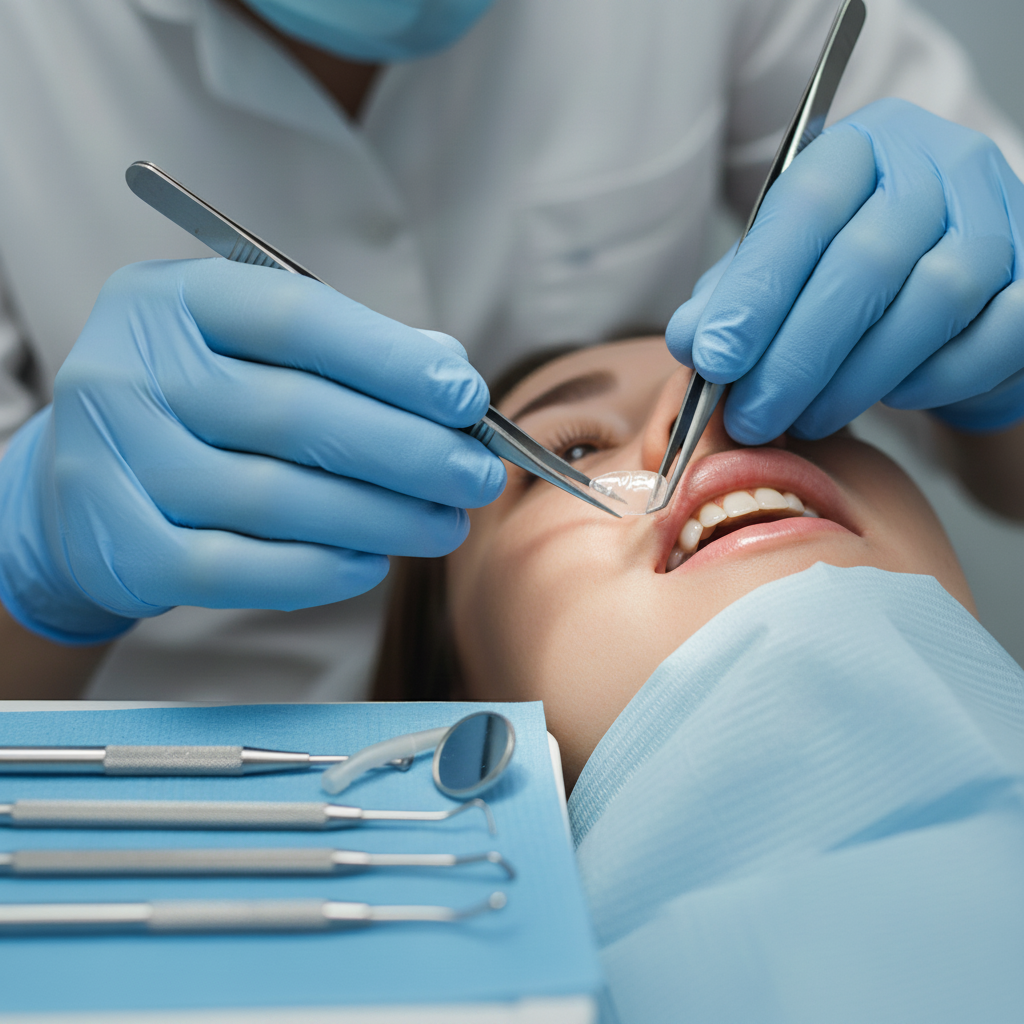
Before diving into costs, it’s vital to understand what dental veneers entail. Veneers are essentially a cosmetic covering for your natural teeth. They are custom-designed to match the natural color and shape of your existing teeth, or to create a completely new, desired aesthetic. The two primary types of materials used for veneers are porcelain and composite resin.
* **Porcelain Veneers:** These are thin, durable shells made from high-quality dental porcelain. They are custom-fabricated in a dental laboratory to precisely fit each tooth. Porcelain veneers are renowned for their strength, longevity, and natural appearance. They mimic the light-reflecting properties of natural tooth enamel, offering superior aesthetics. Porcelain is also highly stain-resistant, maintaining its brilliant color over time. The process typically requires at least two dental visits: one for preparation and impressions, and a second for bonding the permanent veneers.
* **Composite Veneers (Bonding):** Also known as direct veneers or dental bonding, composite veneers are made from a tooth-colored resin material applied directly to the tooth surface by the dentist. This material is sculpted and polished to achieve the desired shape and appearance. Composite veneers are generally less expensive and can often be completed in a single visit. While they offer good aesthetic results, they are typically less durable and more prone to staining than porcelain veneers, often requiring more frequent maintenance or replacement.
The choice between porcelain and composite veneers significantly impacts the overall cost and longevity of the treatment. Patients often weigh the initial investment against the expected lifespan and aesthetic qualities of each material.
Key Factors Influencing Veneers Cost in Belgium
The price of dental veneers in Belgium is not a fixed amount but rather a range influenced by several variables. Understanding these factors can help prospective patients budget effectively and make informed decisions.
1. **Type of Material:** As discussed, porcelain veneers are more expensive than composite veneers due to the laboratory fabrication process, the material’s superior durability, and aesthetic properties.
2. **Number of Veneers:** Most smile makeovers involve 6 to 10 veneers for the upper front teeth, and sometimes additional ones for the lower arch. The total cost is a direct multiplication of the per-tooth cost by the number of veneers needed.
3. **Clinic Location and Reputation:** Dental clinics in major Belgian cities like Brussels, Antwerp, or Ghent might have higher operating costs, which can translate into higher prices for treatments. Clinics with a long-standing reputation for excellence, highly specialized dentists, and state-of-the-art facilities may also charge more for their services.
4. **Dentist’s Experience and Expertise:** Highly experienced cosmetic dentists with specialized training in aesthetic dentistry may command higher fees. Their expertise ensures precision, optimal aesthetic outcomes, and reduced risks of complications.
5. **Additional Procedures:** Sometimes, veneers are part of a broader smile transformation plan that might include other treatments. For instance, some patients may require gum contouring, teeth whitening (for adjacent natural teeth), orthodontic adjustments, or treatment for underlying dental issues (e.g., cavities, gum disease) before veneers can be applied. These additional procedures will add to the total cost.
6. **Technology Used:** Advanced dental technology, such as digital smile design, CAD/CAM technology for same-day crowns/veneers (though less common for porcelain veneers), and specialized imaging equipment, can improve the precision and efficiency of the treatment but may also be reflected in the price.
7. **Laboratory Fees:** For porcelain veneers, the cost includes fees from the dental laboratory that fabricates the custom shells. The quality and sophistication of the lab can also influence the price.
Average Veneers Cost in Belgium
Given the varying factors, providing an exact cost is challenging. However, general estimates can offer a useful guide. It’s important to remember these are averages, and individual quotes from dental clinics will be necessary for precise figures.
| Veneer Type | Estimated Cost Per Tooth (EUR) | Typical Lifespan |
|---|---|---|
| Composite Veneer | €250 – €600 | 5 – 7 years |
| Porcelain Veneer | €700 – €1,500+ | 10 – 15+ years |
For a full smile makeover involving 6-8 porcelain veneers, the total cost could range from €4,200 to €12,000 or more, depending on the clinic and specific requirements. Composite veneers for a similar number of teeth would naturally be less expensive, perhaps ranging from €1,500 to €4,800. These figures typically cover the veneer fabrication and bonding, but not necessarily initial consultations, X-rays, or any preparatory dental work. Patients should always request a detailed breakdown of costs from their chosen dental clinic.
The Veneers Procedure: A Detailed Overview
The process of getting dental veneers, particularly porcelain veneers, involves several steps designed to ensure a perfect fit and aesthetic outcome.
1. **Initial Consultation and Smile Design:** This crucial first step involves a thorough examination of your oral health, discussion of your aesthetic goals, and assessment of whether veneers are the right solution for you. The dentist will take X-rays, photographs, and possibly digital scans of your mouth. Many clinics use digital smile design software to show you a preview of your potential new smile.
2. **Tooth Preparation:** For porcelain veneers, a small amount of enamel (typically about 0.5 to 1.0 mm) is removed from the front surface of the teeth to create space for the veneer. This ensures that the veneers do not appear bulky and blend seamlessly with your natural teeth. For some cases, “no-prep” veneers are possible, but this is less common. For composite veneers, preparation is often minimal or not required at all.
3. **Impressions:** After tooth preparation, precise impressions (molds) of your teeth are taken. These impressions are then sent to a dental laboratory where skilled technicians meticulously craft your custom porcelain veneers.
4. **Temporary Veneers:** While your permanent porcelain veneers are being made, the dentist may place temporary veneers to protect the prepared teeth and maintain aesthetics. These are usually made of composite resin and are designed to be worn for about one to two weeks.
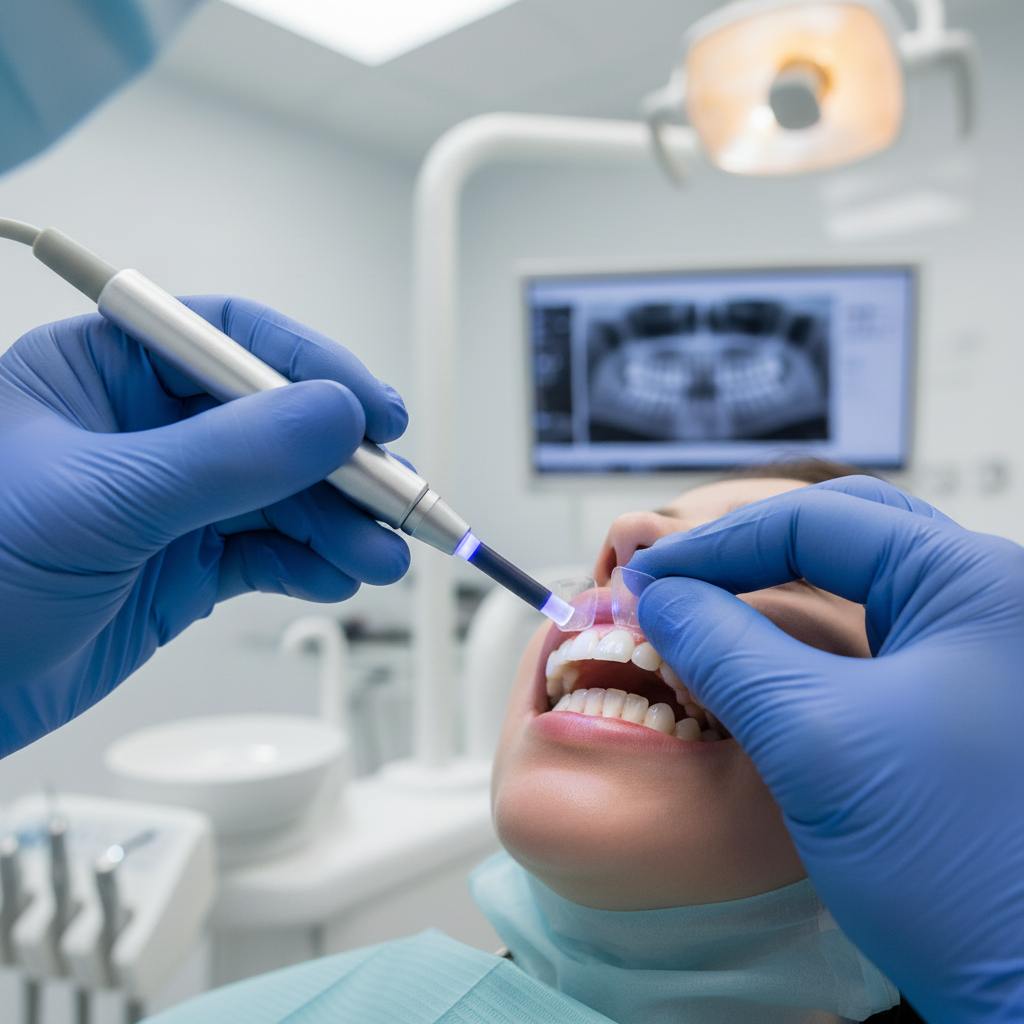
5. **Veneer Placement and Bonding:** Once the permanent veneers arrive from the lab, you’ll return for your final appointment. The dentist will first “try on” the veneers without bonding them, checking the fit, color, and shape. Adjustments can be made at this stage if necessary. Once both you and the dentist are satisfied, the tooth surface is thoroughly cleaned and etched to create a strong bonding surface. A special dental cement is then applied, and the veneer is carefully positioned and bonded to the tooth using a curing light.
6. **Final Adjustments and Polishing:** After bonding, the dentist will make any final adjustments to ensure a proper bite and smooth margins. The veneers are then polished to a natural luster.
Composite veneers, being direct restorations, often skip the impression and temporary veneer stages, with the entire process being completed in a single appointment.
Benefits of Dental Veneers
Investing in dental veneers offers a multitude of benefits beyond just aesthetic improvement.
* **Dramatic Aesthetic Improvement:** Veneers can instantly transform a smile by correcting issues like severe discoloration, chipped or cracked teeth, uneven spacing, and minor alignment problems.
* **Natural Appearance:** Porcelain veneers, in particular, are known for their ability to mimic the translucency and light-reflecting properties of natural tooth enamel, resulting in a very realistic and beautiful smile.
* **Stain Resistance:** Porcelain is highly resistant to stains from coffee, tea, red wine, and tobacco, helping to maintain a bright smile over time.
* **Durability and Longevity:** With proper care, porcelain veneers can last 10 to 15 years or even longer, making them a long-term solution for smile enhancement.
* **Minimally Invasive:** Compared to dental crowns, veneers require less removal of the natural tooth structure, preserving more of the original tooth.
* **Improved Confidence:** A beautiful smile can significantly boost self-esteem and confidence, impacting personal and professional interactions.
Maintaining Your Dental Veneers
To ensure the longevity and beauty of your veneers, proper care and maintenance are essential.
* **Excellent Oral Hygiene:** Continue to brush twice a day with a non-abrasive toothpaste and floss daily. Veneers do not prevent decay in the underlying tooth structure, so maintaining good oral hygiene is paramount.
* **Regular Dental Check-ups:** Visit your dentist for routine check-ups and professional cleanings at least twice a year. This allows your dentist to monitor the condition of your veneers and overall oral health.
* **Avoid Hard Foods and Objects:** While veneers are durable, they are not indestructible. Avoid biting directly into very hard foods (e.g., hard candy, ice) or using your teeth to open packages.
* **Protect Against Bruxism:** If you grind or clench your teeth (bruxism), your dentist may recommend a nightguard to protect your veneers from excessive force and potential damage.
* **Address Stains Promptly (Composite Veneers):** For composite veneers, be mindful of stain-causing foods and drinks and practice good oral hygiene to minimize discoloration.
* **Avoid Abrasive Products:** Do not use abrasive toothpastes or mouthwashes, as these can scratch the surface of your veneers over time.
For more detailed information on maintaining a healthy smile and understanding various cosmetic dentistry options, you might find valuable resources on cosmetic dentistry guides, such as the one focusing on a lach make-over gids.
Considering Dental Tourism for Veneers
While Belgium offers excellent dental care, some individuals might explore options for veneers in other countries, particularly those known for competitive pricing in dental tourism. Countries like Turkey have emerged as popular destinations for various dental procedures, including veneers, due to significantly lower costs without compromising on quality or technology. The appeal often lies in the potential for substantial savings, especially when multiple veneers are needed for a full smile transformation. Patients often travel to these destinations for comprehensive treatments, combining their dental care with a vacation. This approach can make high-quality aesthetic dental work more accessible for those on a tighter budget. For example, further insights into general dental care can be found on resources like Wikipedia’s page on Dentistry, which outlines the broad scope of dental practices.
Choosing to undergo dental treatment abroad requires thorough research, careful planning, and consideration of factors such as travel expenses, accommodation, language barriers, and aftercare arrangements. It’s crucial to select reputable clinics with experienced dentists and transparent pricing to ensure a safe and satisfactory outcome.
The cost of veneers in Belgium reflects the country’s high standards of dental care, advanced technology, and the expertise of its dental professionals. While the investment can be significant, the long-lasting aesthetic and functional benefits often outweigh the initial expense. By understanding the different types of veneers, the factors influencing their cost, and the detailed procedure involved, prospective patients can make informed decisions to achieve the beautiful, confident smile they desire. Whether opting for treatment within Belgium or exploring international dental tourism, prioritizing quality, safety, and personalized care is paramount for a successful outcome.