What Does Dental Insurance Cover in Belgium?
In Belgium, affiliation with a ‘mutuality’ is compulsory. This national health insurance scheme provides reimbursement for a wide array of medical services, including a baseline for dental care. However, it’s important to manage expectations regarding the extent of this coverage. The mutuality primarily focuses on preventative measures and basic restorative treatments.
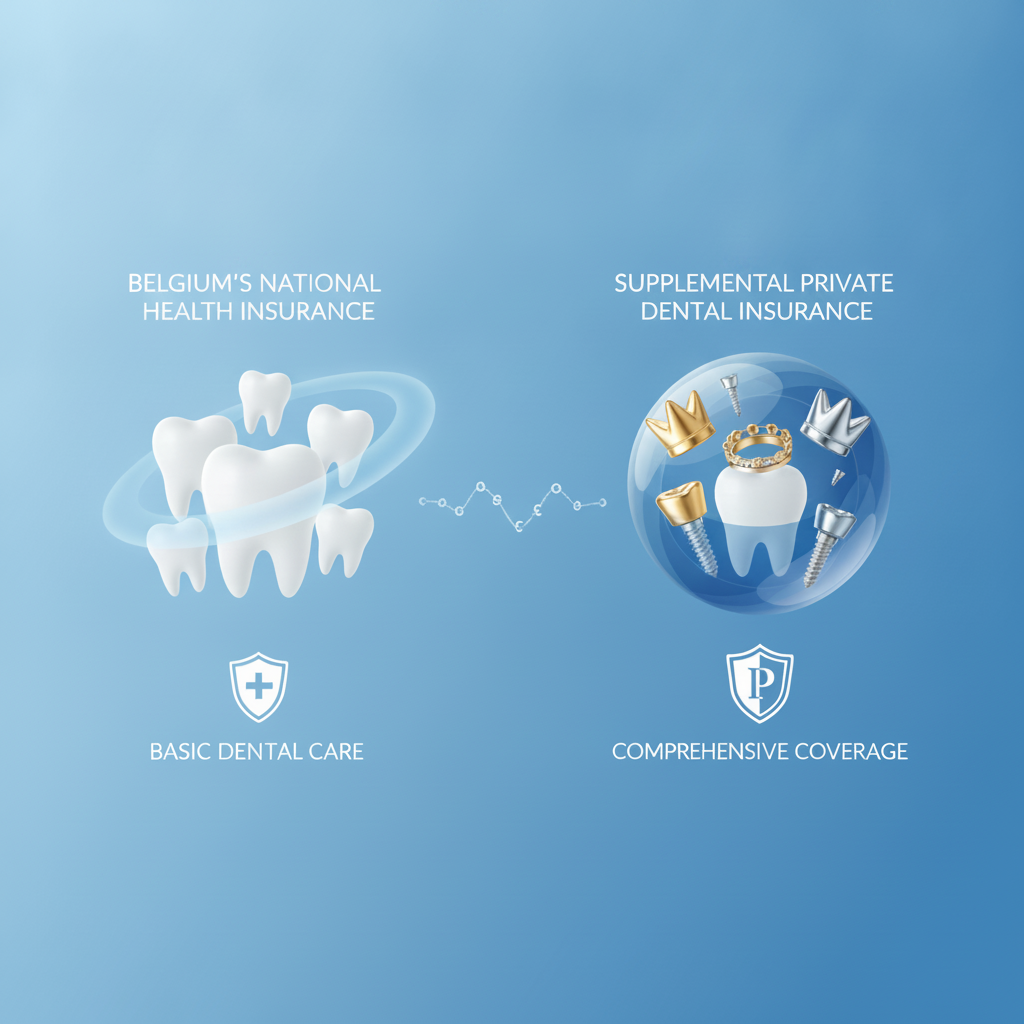
What Does Dental Insurance Cover in Belgium? Navigating the intricacies of dental insurance in Belgium can be a complex task for residents and expatriates alike. Understanding the landscape of healthcare, particularly dental care, is crucial for managing costs and ensuring access to necessary treatments. Belgium operates a multi-tiered healthcare system, where basic health insurance, known as ‘mutuality’ or ‘mutualiteit’ (Dutch) / ‘mutuelle’ (French), forms the foundation, but often requires supplemental coverage for extensive dental needs.
The Belgian healthcare system is renowned for its comprehensive approach, yet dental care often presents a unique challenge. While essential medical services are largely covered by the mandatory national health insurance, routine and specialized dental treatments may only receive partial reimbursement, leaving patients responsible for a significant portion of the costs. This distinction necessitates a deeper look into what basic health insurance provides and where private dental insurance plans step in to bridge the financial gap. For those seeking comprehensive dental care, especially advanced procedures, understanding these layers of coverage is paramount to avoid unexpected financial burdens.
Understanding Belgium’s National Health Insurance (Mutuality) for Dental Care
Typically, the national health insurance will cover:
- Preventive Care: This includes annual check-ups, dental cleanings (scaling and root planing, usually once or twice a year), and sometimes fluoride treatments for children. The reimbursement rate for these services is generally higher, encouraging regular dental hygiene.
- Basic Restorative Treatments: A portion of the cost for common procedures like fillings (amalgam or composite, though composite might have a higher out-of-pocket cost), simple tooth extractions, and sometimes root canal treatments may be reimbursed. The reimbursement percentage can vary significantly based on the patient’s age and the specific treatment. For instance, children and young adults often benefit from higher reimbursement rates for certain procedures.
- Periodontal Treatments: Basic gum treatments might be partially covered, especially if they are deemed medically necessary to prevent further oral health deterioration.
It is crucial to note that while mutuality offers a foundation, it rarely covers the full cost of even these basic services. Patients are typically responsible for a ‘ticket modérateur’ (co-payment), which is the unreimbursed portion of the fee. Moreover, dentists in Belgium operate under different conventions; ‘conventioned’ dentists adhere to official tariffs, ensuring predictable reimbursement rates, while ‘non-conventioned’ dentists are free to set their own fees, leading to potentially higher patient contributions.
The Role of Supplemental Dental Insurance in Belgium
Given the limitations of the national health insurance, many Belgians opt for supplemental dental insurance. These private plans are designed to offer more extensive coverage, particularly for treatments that are either poorly reimbursed or not covered at all by the mutuality. Supplemental plans can be purchased from various insurance providers and often come with different tiers of coverage to suit individual needs and budgets.
What Does Dental Insurance Cover in Belgium? An Overview of Supplemental Plans
When considering supplemental dental insurance, it’s essential to scrutinize the specific details of each plan, as coverage can vary widely. Here’s a general breakdown of what these plans typically aim to cover:
- Advanced Restorative Treatments: While basic fillings might see some mutuality coverage, more complex restorative work often relies on supplemental insurance. This includes ceramic fillings, onlays, inlays, and multi-surface restorations.
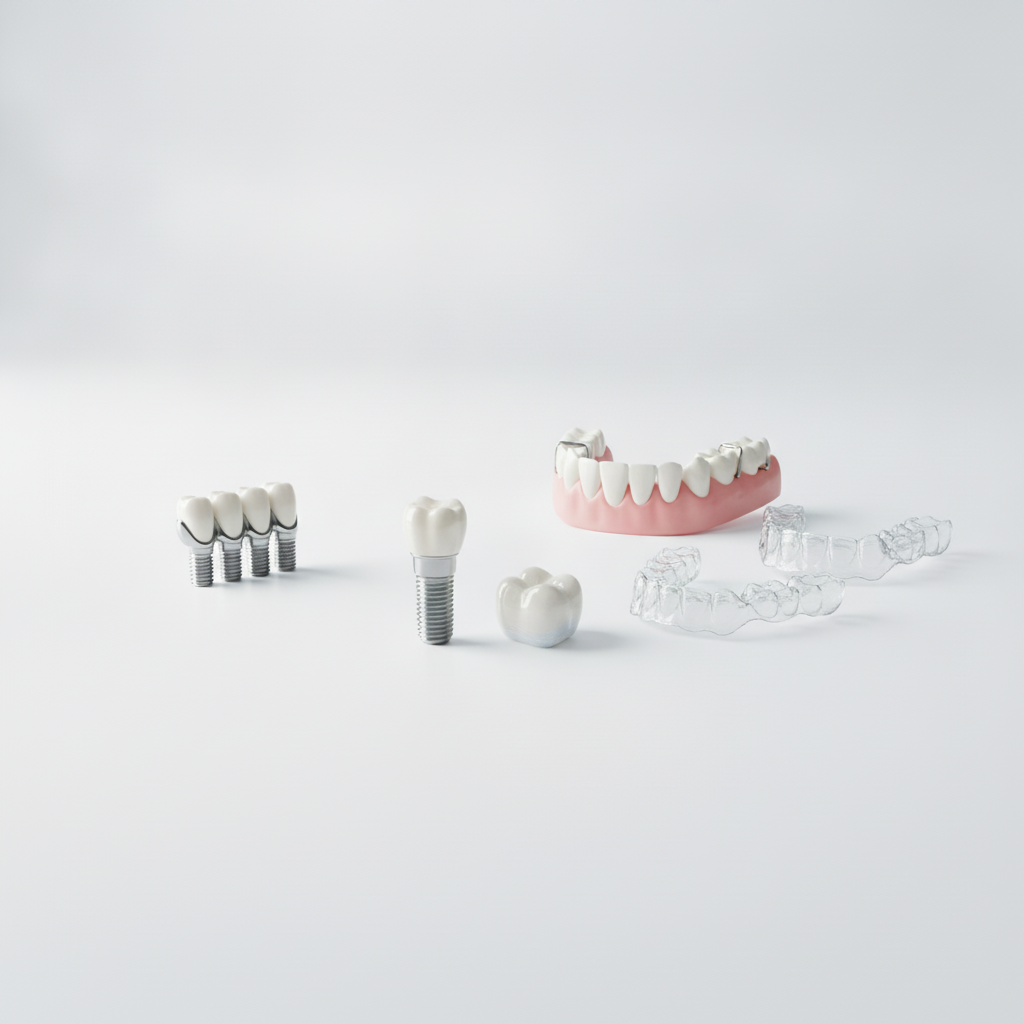
- Prosthetics: This is where supplemental insurance becomes particularly valuable. Procedures such as crowns, bridges, and dentures (both partial and full) are generally expensive, and national health insurance offers minimal, if any, reimbursement. Private plans can significantly reduce the patient’s out-of-pocket expenses for these vital treatments.
- Orthodontics: For both children and adults, orthodontic treatments (braces, aligners) are a major expense. National health insurance typically offers very limited coverage for orthodontics, often only for severe cases in children. Supplemental plans can provide substantial reimbursement, though they often come with waiting periods and age restrictions.
- Dental Implants: Implants are considered a premium solution for tooth replacement due to their durability and aesthetic appeal. They are almost never covered by the national health insurance. Many supplemental plans, however, include coverage for dental implants, making them a more financially viable option for patients.
- Periodontology and Endodontics: While basic gum disease treatment might get some mutuality support, extensive periodontal surgery or complex root canal treatments often require supplemental insurance for better reimbursement.
- Cosmetic Dentistry: Procedures purely for aesthetic purposes, such as teeth whitening, veneers, or cosmetic bonding, are generally not covered by national health insurance. Some premium supplemental plans might offer limited coverage for certain cosmetic treatments, especially if they also have a restorative benefit.
Key Considerations for Supplemental Dental Insurance
When choosing a supplemental dental insurance plan in Belgium, several factors need careful evaluation:
- Waiting Periods: Most plans impose waiting periods (e.g., 6-12 months) before coverage for specific, more expensive treatments (like orthodontics, implants, or prosthetics) kicks in. This prevents individuals from purchasing insurance only when they foresee an immediate need for costly procedures.
- Annual Caps: Plans usually have an annual maximum reimbursement limit. Once this cap is reached, the patient is responsible for all subsequent costs within that year.
- Reimbursement Percentages: The percentage of the cost covered by the insurance varies by treatment category and plan. It’s common to see 50-80% reimbursement for covered procedures.
- Exclusions: Be aware of what the plan explicitly excludes. Cosmetic procedures are often excluded, as are treatments for pre-existing conditions that were identified before the policy started.
- Network Restrictions: Some plans might require you to use dentists within their preferred network to receive full benefits.
- Premiums: The monthly or annual cost of the insurance plan will directly correlate with the level of coverage provided. More comprehensive plans naturally come with higher premiums.
Comparative Overview of Dental Coverage in Belgium
To provide a clearer picture, here’s a simplified comparison of typical coverage levels:
| Dental Procedure | Basic National Health Insurance (Mutuality) | Supplemental Private Dental Insurance |
|---|---|---|
| Annual Check-up & Cleaning | Partial reimbursement (high percentage) | Often 100% reimbursement, no co-payment |
| Basic Fillings (Amalgam/Composite) | Partial reimbursement (varies by material/age) | Higher reimbursement, lower out-of-pocket |
| Tooth Extractions | Partial reimbursement | Higher reimbursement, often near 100% for simple cases |
| Root Canal Treatment | Partial reimbursement (basic portion) | Higher reimbursement, covers specialist fees |
| Crowns, Bridges, Dentures | Very limited or no reimbursement | Significant reimbursement (e.g., 50-80%), subject to caps |
| Orthodontics | Limited (severe cases for children) | Substantial reimbursement (with waiting periods/caps) |
| Dental Implants | No reimbursement | Significant reimbursement (with waiting periods/caps) |
| Periodontal Surgery | Limited (basic treatment) | Higher reimbursement for advanced procedures |
| Cosmetic Procedures (e.g., Whitening) | No reimbursement | Generally excluded; limited coverage in high-tier plans |
Navigating Dental Costs and Reimbursement
Understanding your specific insurance plan is the first step. Always inquire about the dentist’s fees and the estimated reimbursement from your mutuality and supplemental insurance before starting any treatment. Many dentists will provide a detailed quote (a ‘devis’) which can then be submitted to your insurance providers for a pre-approval or an estimate of reimbursement. This proactive approach helps in financial planning and avoids unexpected costs.
Furthermore, being aware of the costs of dental visits in Belgium is essential. For detailed information on what a typical dentist visit might entail financially, you can explore resources that break down these expenses. Understanding these baseline costs helps in evaluating the true benefit of your insurance plans. Learn more about how much a dentist visit costs in Belgium to better plan your dental care budget.
For certain major treatments like dental implants or extensive orthodontic work, it is common practice to apply for pre-authorization from your supplemental insurance provider. This ensures that the treatment falls within their coverage criteria and provides a clear understanding of the financial contribution you can expect from them. This step is particularly important for high-cost procedures, which can otherwise result in substantial out-of-pocket expenses.
The Belgian system, while robust in many areas, places a significant emphasis on personal responsibility for comprehensive dental care. This is why supplemental dental insurance plans are not just an option but often a necessity for those who wish to maintain optimal oral health without incurring prohibitive costs. The choice of plan should align with one’s individual dental health needs, potential future treatments, and budget.
Importance of Choosing the Right Plan
It is also important to consider the long-term commitment. Dental health is an ongoing journey, and regular preventive care is the cornerstone. A good insurance plan facilitates this by making routine check-ups and cleanings more affordable. Beyond prevention, knowing that you have financial protection for unforeseen issues, such as a fractured tooth or the need for a root canal, provides significant peace of mind. Investing in comprehensive dental insurance can save substantial amounts in the long run by covering major treatments that would otherwise be very costly. More information about the Belgian healthcare system, including its dental provisions, can often be found on official government health portals or reputable health organizations like Wikipedia’s page on Healthcare in Belgium.
Understanding dental insurance in Belgium ultimately empowers individuals to make informed decisions about their oral health and financial well-being. By combining the basic coverage from the national health insurance with a suitable supplemental plan, residents can ensure they have access to a wide range of dental treatments, from routine check-ups to complex restorative and cosmetic procedures, without facing overwhelming financial barriers.
Selecting the right dental insurance plan in Belgium is a strategic decision that can have long-term financial and health benefits. It involves more than just comparing premiums; it requires a thorough review of coverage limits, waiting periods, and exclusions. For families, plans that offer good orthodontic coverage for children might be a priority. For older adults, robust coverage for prosthetics and implants could be more critical. Individuals with chronic dental issues might prioritize plans with generous allowances for complex restorative or periodontal treatments.