Pain Level of Dental Procedures Belgium
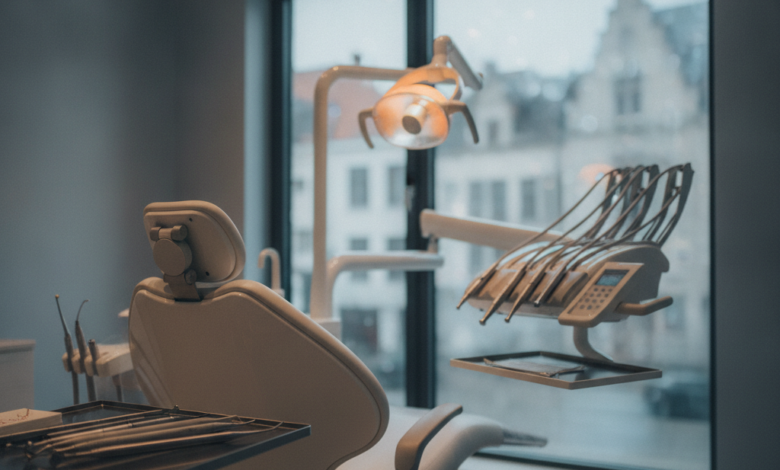
For cavities that require fillings, the process involves removing the decayed portion of the tooth and then filling it with a restorative material. Before this, the dentist will administer a local anesthetic to numb the area. Patients typically feel a slight pinch during the injection, followed by complete numbness in the tooth and surrounding gums. During the procedure itself, the patient should feel no pain, only pressure or vibration. Post-procedure, some mild sensitivity to hot or cold may occur for a few days, which usually subsides naturally or can be managed with over-the-counter pain relievers.
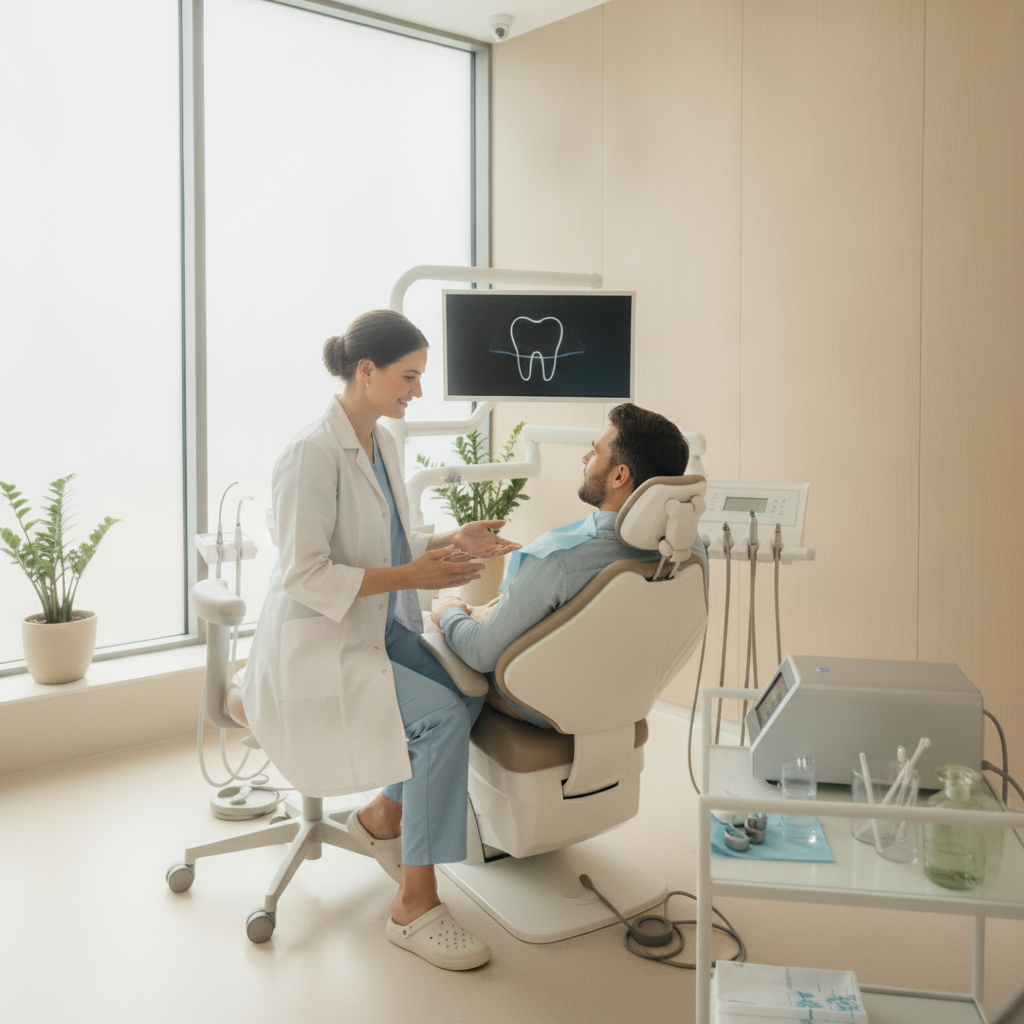
More Involved Procedures: Effective Pain Management
Root Canal Treatment
Root canal treatment often carries a reputation for being painful, but this is largely a misconception based on outdated practices. In reality, a root canal is performed to *relieve* pain caused by an infected or inflamed tooth pulp. Under local anesthesia, the procedure is no more uncomfortable than getting a filling. The dentist removes the infected pulp, cleans and shapes the root canals, and then seals them. Patients often report feeling immediate relief from the severe pain that led them to seek treatment. Post-procedure, mild soreness is common for a few days, managed with prescribed or over-the-counter pain medication.
Tooth Extractions
Tooth extractions, whether a simple removal or a more complex surgical extraction (like wisdom teeth), are performed with strong local anesthesia. For surgical extractions, or for anxious patients, sedation options may also be offered. During the extraction, patients will feel significant pressure, but should not feel sharp pain. After the tooth is removed, the dentist will provide detailed aftercare instructions to manage swelling and discomfort. Pain medication, both over-the-counter and prescription, can be used effectively during the healing period, which typically lasts a few days to a week depending on the complexity of the extraction.
Dental Implants
Dental implants involve a surgical procedure where a titanium post is inserted into the jawbone to replace a missing tooth root. Despite being a surgical procedure, dental implant placement is usually performed under local anesthesia, often combined with sedation (oral or IV). Patients typically report feeling pressure and vibration during the procedure, but no pain. Post-operative discomfort is manageable with pain medication, similar to what might be experienced after a tooth extraction. Swelling and mild bruising are also common. The healing process, known as osseointegration, takes several months, but pain after the initial recovery period is rare. For more details on the timeline, you can refer to our article on how long do dental implants take Belgium.
Gum Surgery
Gum surgery, often necessary to treat advanced gum disease or to correct gum recession, is also performed under local anesthesia. Depending on the extent of the surgery, sedation may be recommended. The procedure itself should be pain-free. Post-operative discomfort, swelling, and sensitivity are expected but are effectively managed with prescribed pain medication and following post-surgical care instructions. Healing times vary but patients generally return to normal activities within a few days to a week.
Cosmetic Dental Procedures: Generally Minimal to No Pain
Teeth Whitening
Professional teeth whitening procedures are generally pain-free. Some patients might experience temporary tooth sensitivity during or immediately after the procedure, which usually resolves within a day or two. Dentists often use desensitizing agents to minimize this.
Veneers and Composite Bonding
The placement of dental veneers (thin shells bonded to the front of teeth) or composite bonding (resin applied to reshape teeth) typically involves minimal to no pain. For veneers, a small amount of enamel might be removed, which can cause slight sensitivity, but local anesthesia is often used. Composite bonding usually requires no anesthesia unless existing decay is being addressed. Any mild sensitivity after these procedures is generally transient.
The Pain Level of Dental Procedures Belgium: Patient-Centric Approach
The overall pain level experienced during dental procedures in Belgium, as with any advanced dental practice, is heavily influenced by the clinic’s commitment to a patient-centric approach. This means not only employing the latest pain management techniques but also fostering an environment of trust and empathy. A good dental practice will:
- Conduct thorough consultations: Discussing the procedure, potential discomfort, and available pain relief options in detail.
- Assess individual pain thresholds: Recognizing that pain perception varies greatly among individuals and tailoring treatment accordingly.
- Offer multiple sedation options: Providing choices to help anxious patients relax.
- Utilize cutting-edge technology: Minimizing invasiveness and improving precision.
- Provide clear aftercare instructions: Ensuring proper post-procedure healing and pain management at home.
Choosing a dental clinic that prioritizes these aspects is paramount to a comfortable and successful treatment experience. Reputable clinics in Belgium invest in modern equipment and continuous training for their staff to ensure the highest standards of patient care.
Navigating Dental Anxiety and Pain Fears
For many, the fear of pain is a significant barrier to seeking dental care. Addressing this anxiety is as important as managing the physical pain. Open communication with your dentist is key. Inform them about any past traumatic experiences, your level of anxiety, and any specific concerns you have. They can then tailor their approach, perhaps by:
- Scheduling shorter appointments.
- Explaining each step of the procedure as they go.
- Allowing you to listen to music or use other distraction techniques.
- Offering stronger sedation options.
Many resources exist to help understand and manage dental anxiety. One such resource can be found on Wikipedia’s page on Dental Anxiety.
Ultimately, preventing future pain often involves addressing current issues promptly. Delaying treatment due to fear can lead to more complex problems that might require more extensive procedures down the line, potentially increasing discomfort. Regular dental visits are the best defense against severe pain and advanced dental conditions.
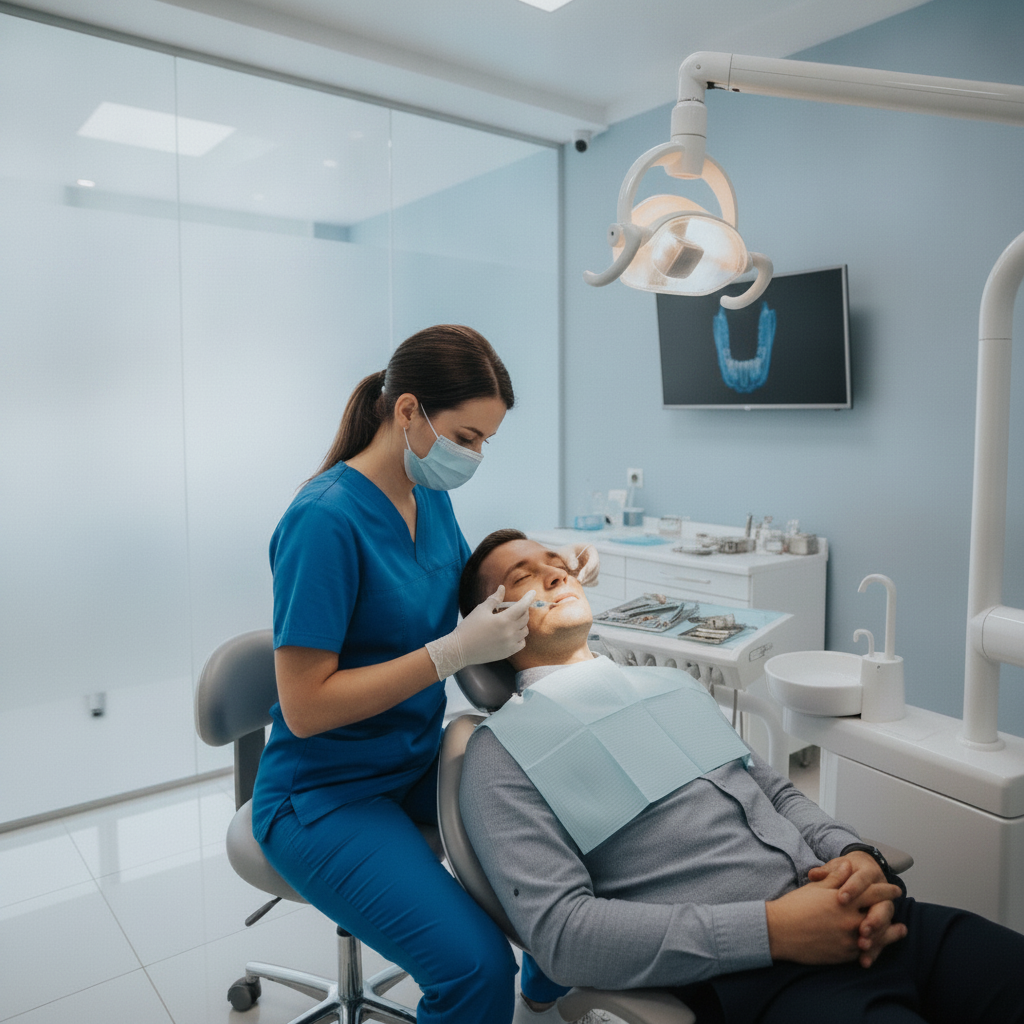
In conclusion, while the thought of dental pain can be daunting, advancements in dental technology and pain management techniques have made most dental procedures remarkably comfortable. From routine cleanings to complex surgical interventions, dentists in Belgium are equipped to provide high-quality care with a strong emphasis on minimizing discomfort. By choosing a reputable clinic and communicating openly with your dental team, you can ensure a positive and pain-free experience, leading to improved oral health and a brighter smile.